Kids' Room Storage Solutions: Toy Organization Tips
Any parent knows that toys have a mysterious way of multiplying and spreading across every inch of the house. Without a proper storage system, a child's room can quickly become a stressful environment for both kids and parents. Effective organization isn't just about hiding the mess; it's about creating a system where everything has a home, making cleanup a breeze and teaching children valuable responsibility.
Categorization: The Secret to Order
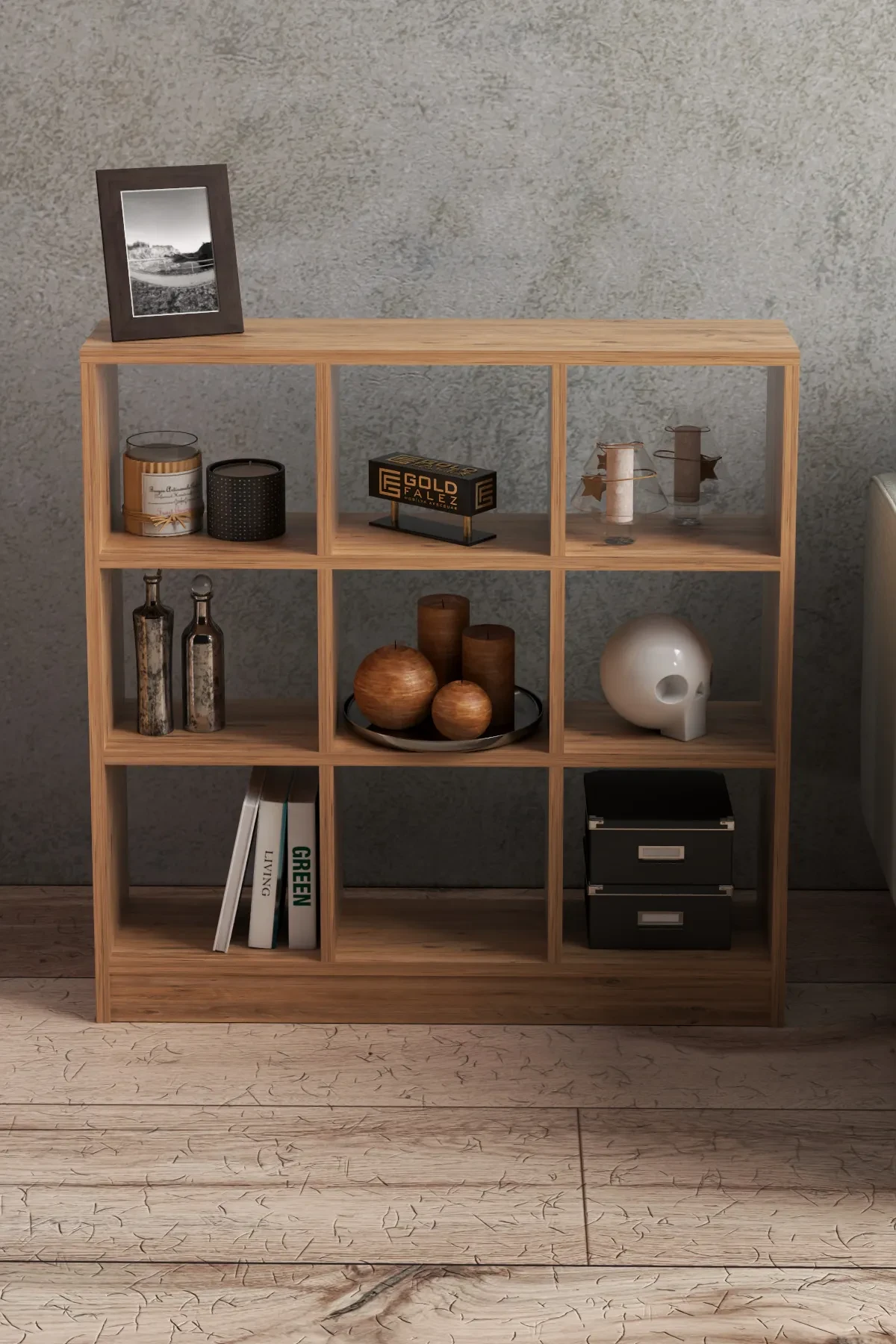
The first step to a tidy room is categorizing toys. Grouping similar items—like building blocks, dolls, or art supplies—makes them easier to find and put away. To facilitate this, you need furniture with distinct compartments. The Bookshelf Nine Compartments is perfect for this strategy. Each of the nine sections can be dedicated to a specific category, perhaps using labeled bins inside the cubes to keep smaller parts together. This visual structure helps children understand exactly where things go.
Utilizing Open Shelving for Daily Use
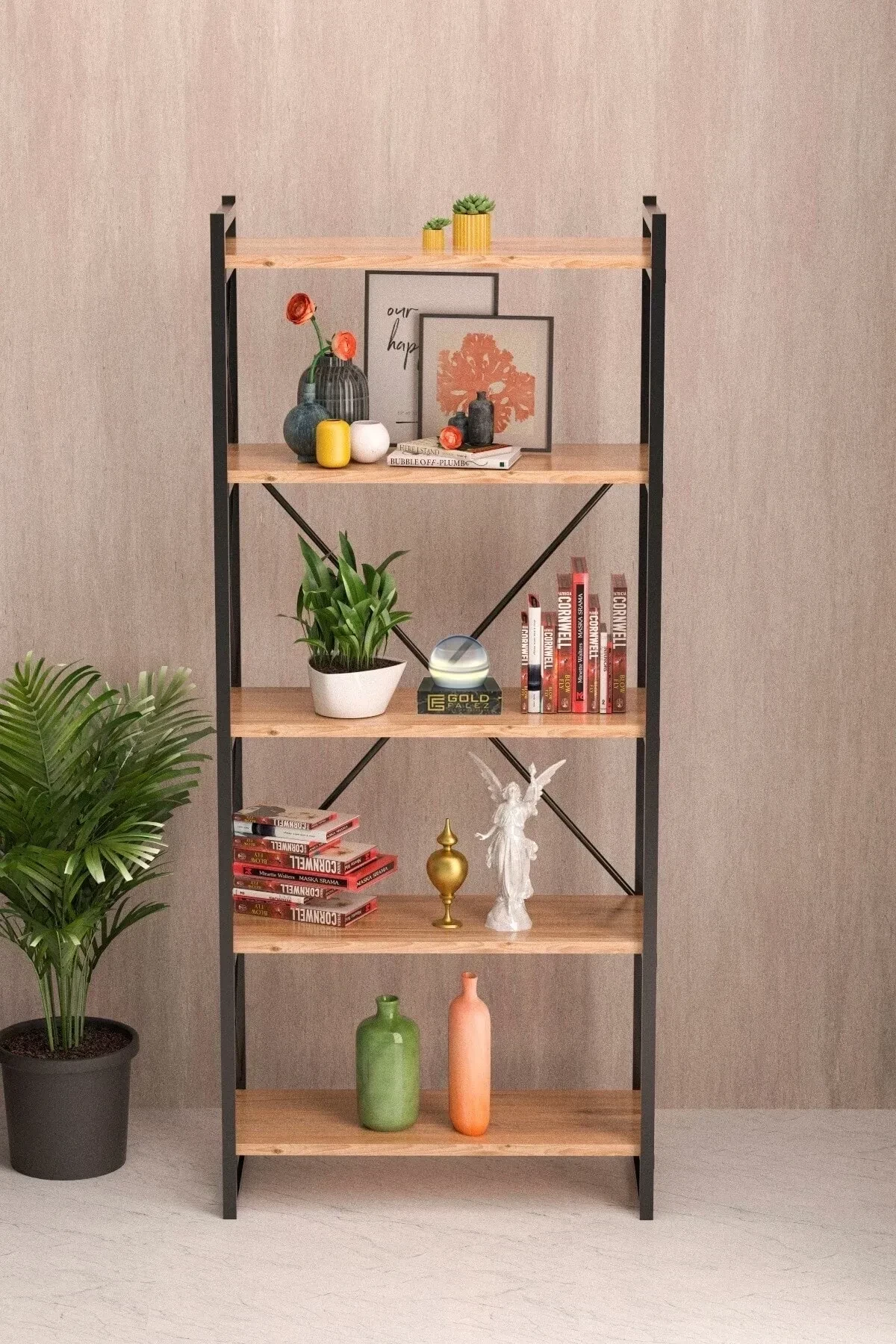
Items that your child plays with every day should be the easiest to access. Open storage units like the Shelf Bookcase allow kids to see their options and reach for what they want without digging through deep chests. This accessibility encourages independent play. For taller bookcases, keep the most used toys on the bottom two shelves and place less-used items or fragile decorations higher up.
Turning Walls into Storage Galleries
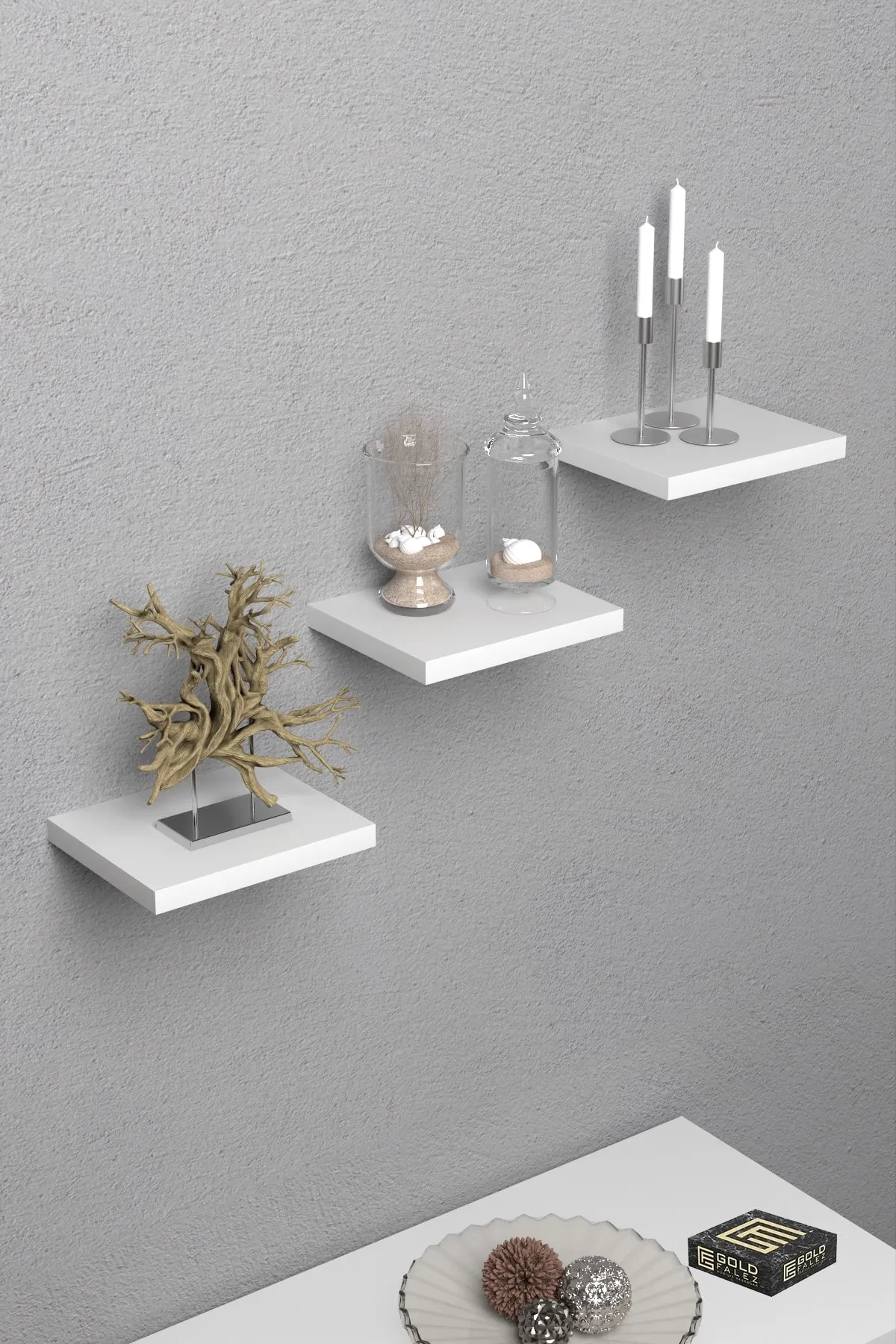
Not all storage needs to be floor-based. For small collectibles or precious items that you want to keep off the floor, the Square Wall Shelf offers a stylish solution. By creating a "gallery wall" of shelves, you turn storage into a design feature. This is particularly effective for sets of figurines or small craft projects that deserve to be displayed rather than tossed into a bin.
Desktop Organization for School Years
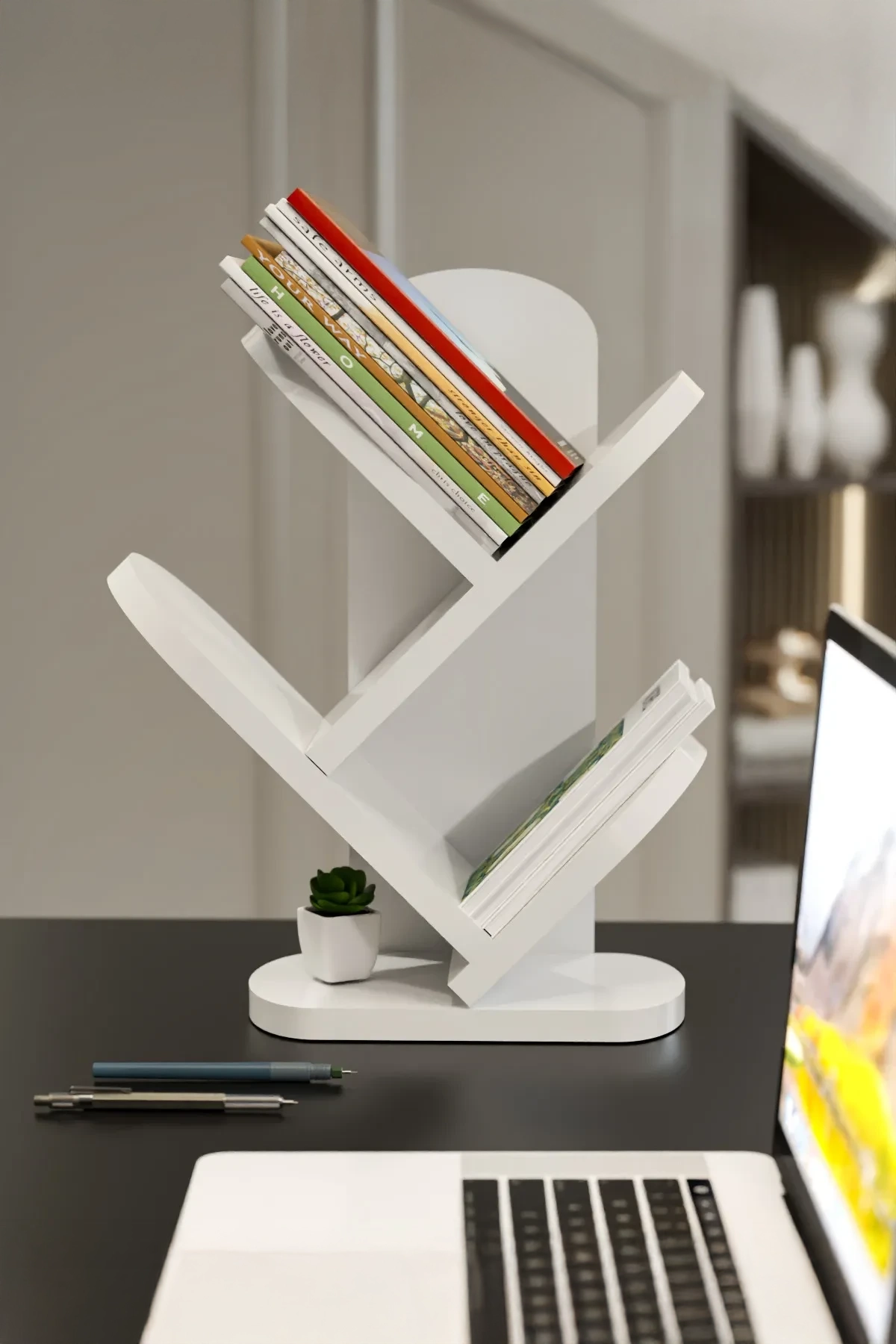
As children get older, the "toys" start to include stationery, art supplies, and tech gadgets. A clean desk is essential for focus, so utilizing a 3 Shelf Desktop Bookcase can keep the work surface clear. It provides vertical slots for folders and small shelves for pencil cups and calculators, ensuring that the study area remains a zone of productivity rather than another pile of clutter.
Frequently Asked Questions
How can I encourage my child to clean up their room?
Make the system intuitive. When every item has a specific spot (like a cube in the Bookshelf Nine Compartments), the task becomes a matching game rather than a chore. Praise their effort and make it part of the daily routine.
What is the "one-in, one-out" rule?
For every new toy that enters the room, one old toy must be donated or recycled. This prevents the total volume of toys from exceeding your storage capacity.
Is it better to have deep bins or shallow shelves?
Shallow shelves like those in the Shelf Bookcase are generally better because toys don't get buried at the bottom. Bins are useful for sets of small parts, but they should be kept relatively small to prevent "bottomless pit" syndrome.
Conclusion
Mastering kids' room storage is all about having the right tools for the job. By combining multi-compartment units like the Bookshelf Nine Compartments with strategic wall storage, you can maintain a beautiful, organized home. Goldfalez offers a variety of durable Suntalam and MDF storage solutions designed specifically to handle the demands of a busy family life. Start organizing today!
Frequently Asked Questions
How can I encourage my child to clean up their room?
Make the system intuitive. When every item has a specific spot (like a cube in the Bookshelf Nine Compartments), the task becomes a matching game rather than a chore. Praise their effort and make it part of the daily routine.
What is the "one-in, one-out" rule?
For every new toy that enters the room, one old toy must be donated or recycled. This prevents the total volume of toys from exceeding your storage capacity.
Is it better to have deep bins or shallow shelves?
Shallow shelves like those in the Shelf Bookcase are generally better because toys don't get buried at the bottom. Bins are useful for sets of small parts, but they should be kept relatively small to prevent "bottomless pit" syndrome.