250+ Products 40+ Countries 70+ Years of craft 🇩🇪🇫🇷🇬🇧🇸🇦🇦🇪🇷🇺🇮🇹🇪🇸🇳🇱🇵🇹🇷🇸🇹🇷🇺🇸🇧🇷🇰🇿 Trusted by 250+ retailers across 40+ countries
kids room

Creating a Study Corner in Kids' Rooms: A Focus Guide

Goldfalez 3 min read
kids study corner ideas childrens homework station ergonomic kids desks study area organization quiet study space furniture
Creating a Study Corner in Kids' Rooms: A Focus Guide

As children progress through school, the need for a dedicated, quiet space to complete homework and explore their interests becomes increasingly important. A well-designed study corner does more than just provide a surface for a laptop; it sets a psychological boundary that helps a child transition into "focus mode." By selecting the right furniture and layout, you can create an environment that encourages concentration and academic growth.

Choosing the Right Foundation

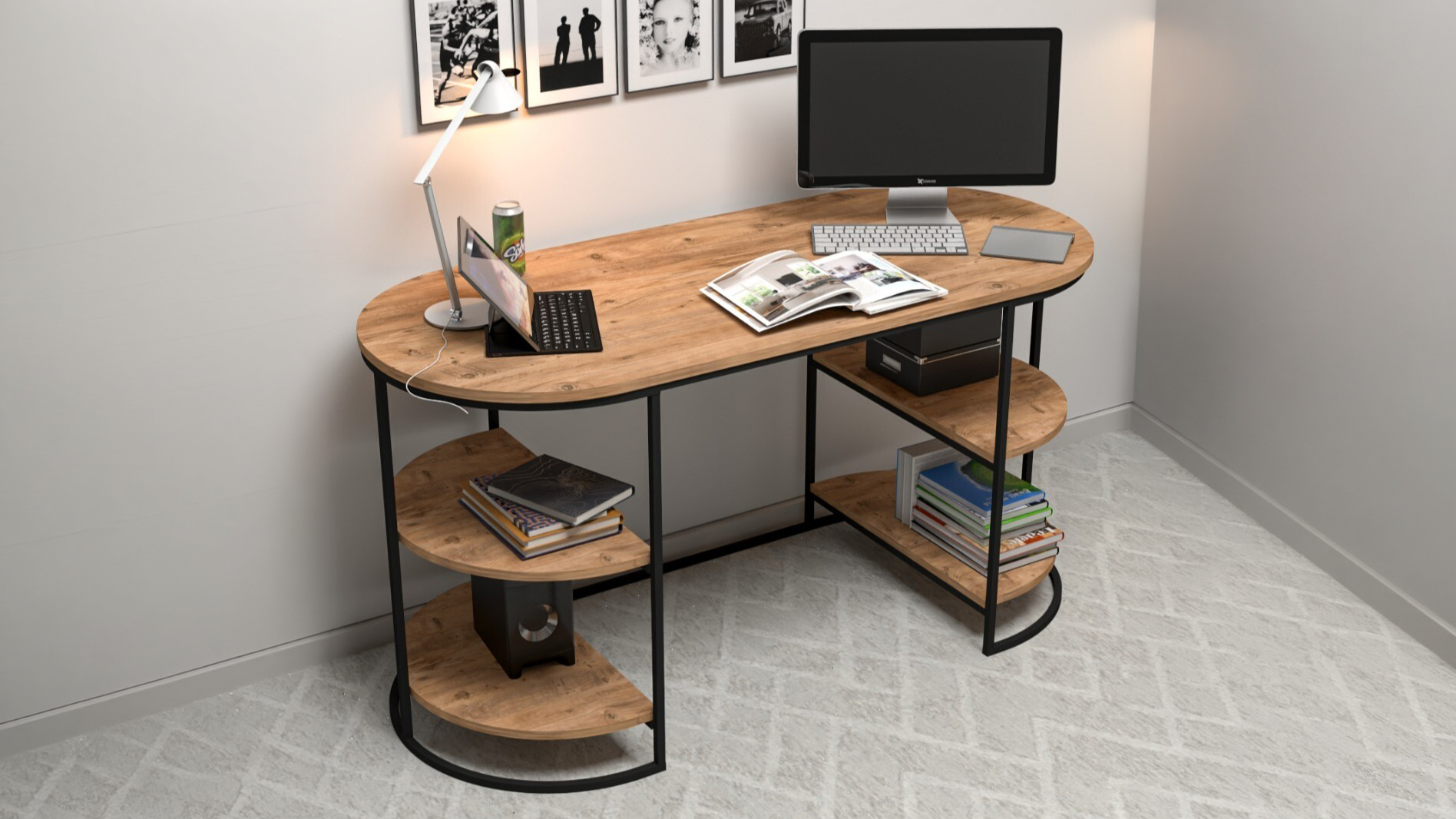
The centerpiece of any study corner is the desk. It needs to be appropriately sized for the child and the room. For those who primarily use a laptop or tablet, the Computer Working Desk offers a sleek, focused work surface. Its minimalist design prevents the area from feeling cluttered, which is essential for maintaining focus. However, if your child needs to keep many books and supplies close by, a more integrated solution like the Study Desk Bookcase might be the better choice, providing ample storage within arm's reach.

Optimizing Small Corners

If you are working with a limited floor plan, don't overlook the corners of the room. A Corner Study Desk is specifically engineered to fit into 90-degree spaces, turning a typically unused area into a high-functioning workstation. This layout often feels more "enclosed" and private, which can help children who are easily distracted by the rest of the room.

Organizing for Productivity

A messy desk is a major deterrent to study. Keeping the surface clear of unnecessary items is key. If you already have a basic table, you can upgrade it with a 3 Shelf Desktop Bookcase. This unit sits right on the desk, providing vertical slots for folders and small shelves for stationery. It ensures that everything the child needs—from pens to calculators—has a designated home, reducing the time spent searching for lost supplies.

Lighting and Ergonomics

Position the study corner near a window if possible to take advantage of natural light. For evening study, a high-quality desk lamp is non-negotiable. Ensure that the chair provides adequate back support and allows the child's feet to rest flat on the floor. While the desk provides the workspace, the comfort of the setup determines how long the child will be able to stay focused.

Frequently Asked Questions

What is the ideal desk height for a primary school student?

A standard desk height of 70-75 cm is usually appropriate for most children from age 7 upwards. For younger children, look for adjustable options or use a footrest to ensure proper posture.

How can I make the study corner more inviting?

Let your child personalize the space with a few meaningful items, such as a favorite photo or a small plant. However, keep the decorations to a minimum to avoid creating distractions.

Is it better for the desk to face the wall or the room?

Facing the wall is generally better for concentration as it minimizes visual distractions. If the child is older and needs to use the desk for both study and creative projects, facing a window can provide inspiration.

Conclusion

A dedicated study corner is one of the most valuable additions you can make to your child's room. By choosing high-quality, functional furniture from Goldfalez, you are providing them with the tools they need to succeed. Whether you opt for a compact Computer Working Desk or a comprehensive Study Desk Bookcase, the goal is to create a space that respects their work and fosters a love of learning.

Frequently Asked Questions

What is the ideal desk height for a primary school student?

A standard desk height of 70-75 cm is usually appropriate for most children from age 7 upwards. For younger children, look for adjustable options or use a footrest to ensure proper posture.

How can I make the study corner more inviting?

Let your child personalize the space with a few meaningful items, such as a favorite photo or a small plant. However, keep the decorations to a minimum to avoid creating distractions.

Is it better for the desk to face the wall or the room?

Facing the wall is generally better for concentration as it minimizes visual distractions. If the child is older and needs to use the desk for both study and creative projects, facing a window can provide inspiration.

Related Articles