Designing a Fun and Functional Kids' Room: A Complete Guide
Creating a space where your child can sleep, play, and learn requires a thoughtful balance between whimsy and utility. As a parent, you want an environment that sparks creativity while maintaining order and safety. Designing a fun and functional kids' room isn't just about picking bright colors; it's about selecting furniture that serves multiple purposes and grows alongside your child's changing needs.
Balancing Play and Practicality
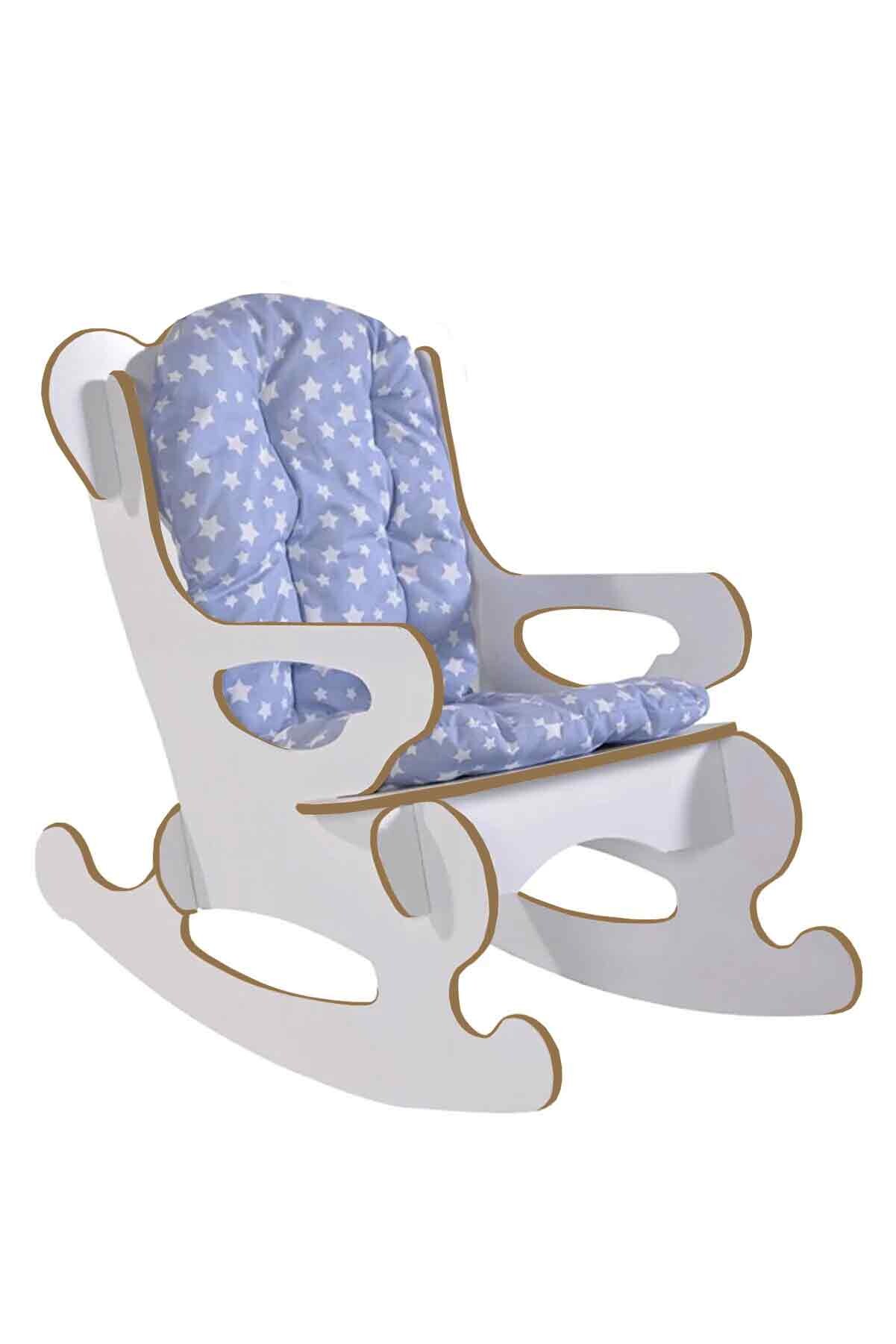
The foundation of any great kids' room is a layout that allows for free movement. Start by identifying the primary zones: sleep, play, and study. For the play area, consider adding a piece that invites relaxation and imagination. The Rocking Child Chair is a perfect example, providing a cozy spot for reading or quiet play. Made from durable MDF, it withstands the energetic daily use typical of a child's environment while offering a classic aesthetic that fits any theme.
Vertical Storage Solutions
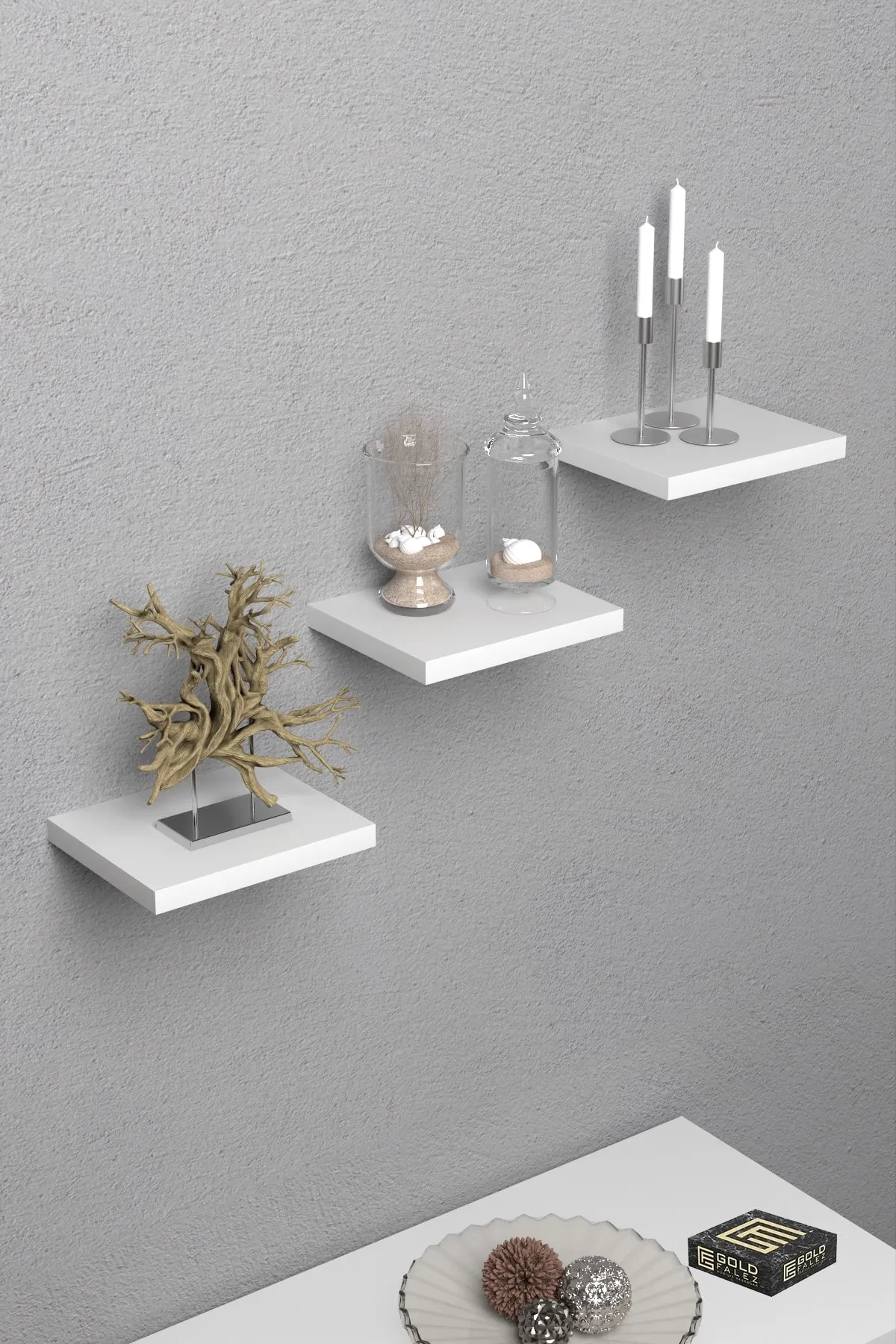
In smaller rooms, floor space is a premium. Utilizing walls for storage helps keep the room organized without making it feel cramped. Using something like the Square Wall Shelf allows you to display favorite books, trophies, or small toys at eye level. This encourages children to take pride in their space and makes cleanup easier when everything has a designated home.
Choosing the Right Furniture
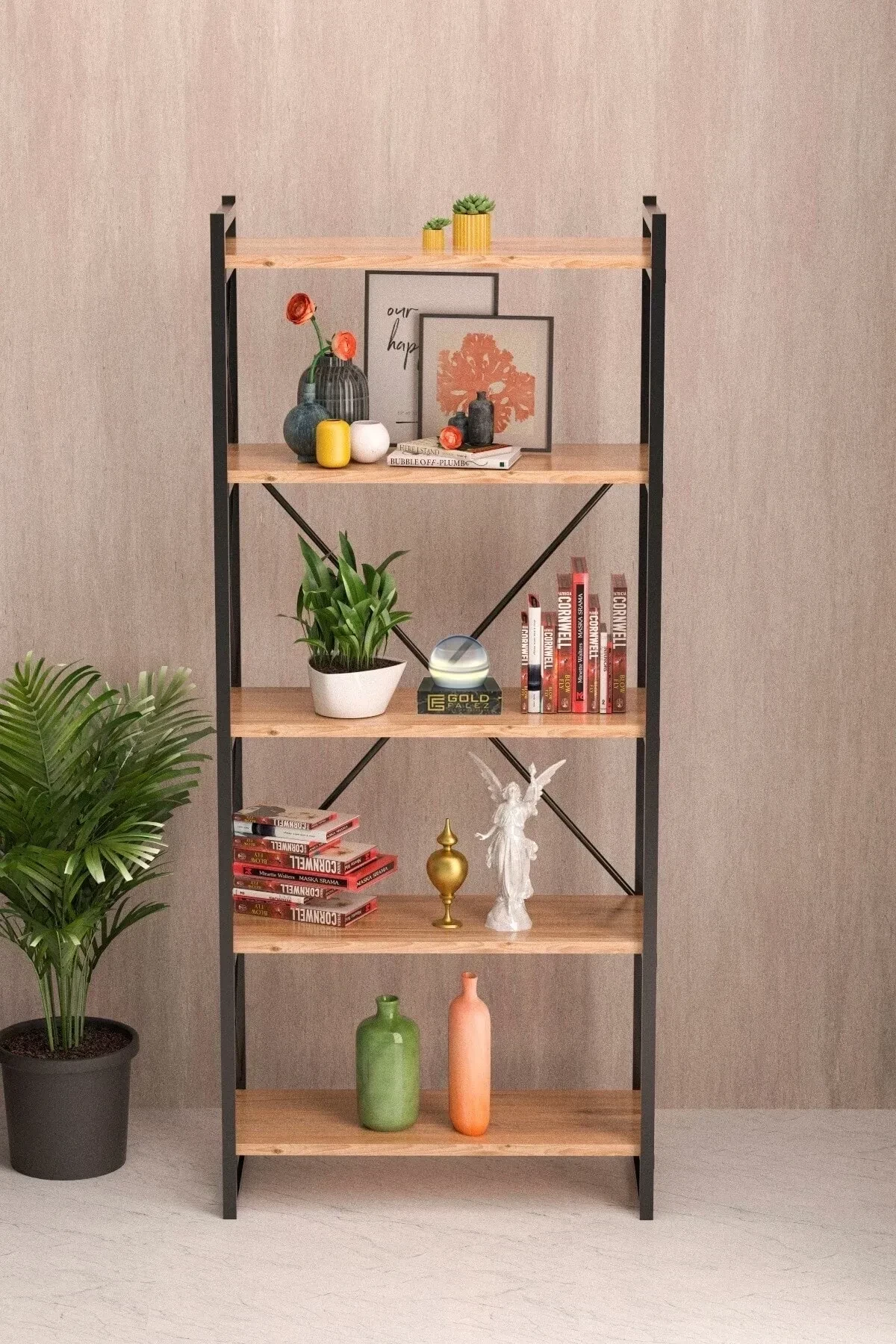
When selecting furniture, focus on durability and material quality. Turkish furniture manufacturing is world-renowned for combining traditional craftsmanship with modern safety standards. For larger storage needs, a sturdy unit like the Shelf Bookcase provides ample space for everything from board games to school supplies. Its open design makes it easy for children to access their belongings, fostering a sense of independence.
The Importance of a Study Zone
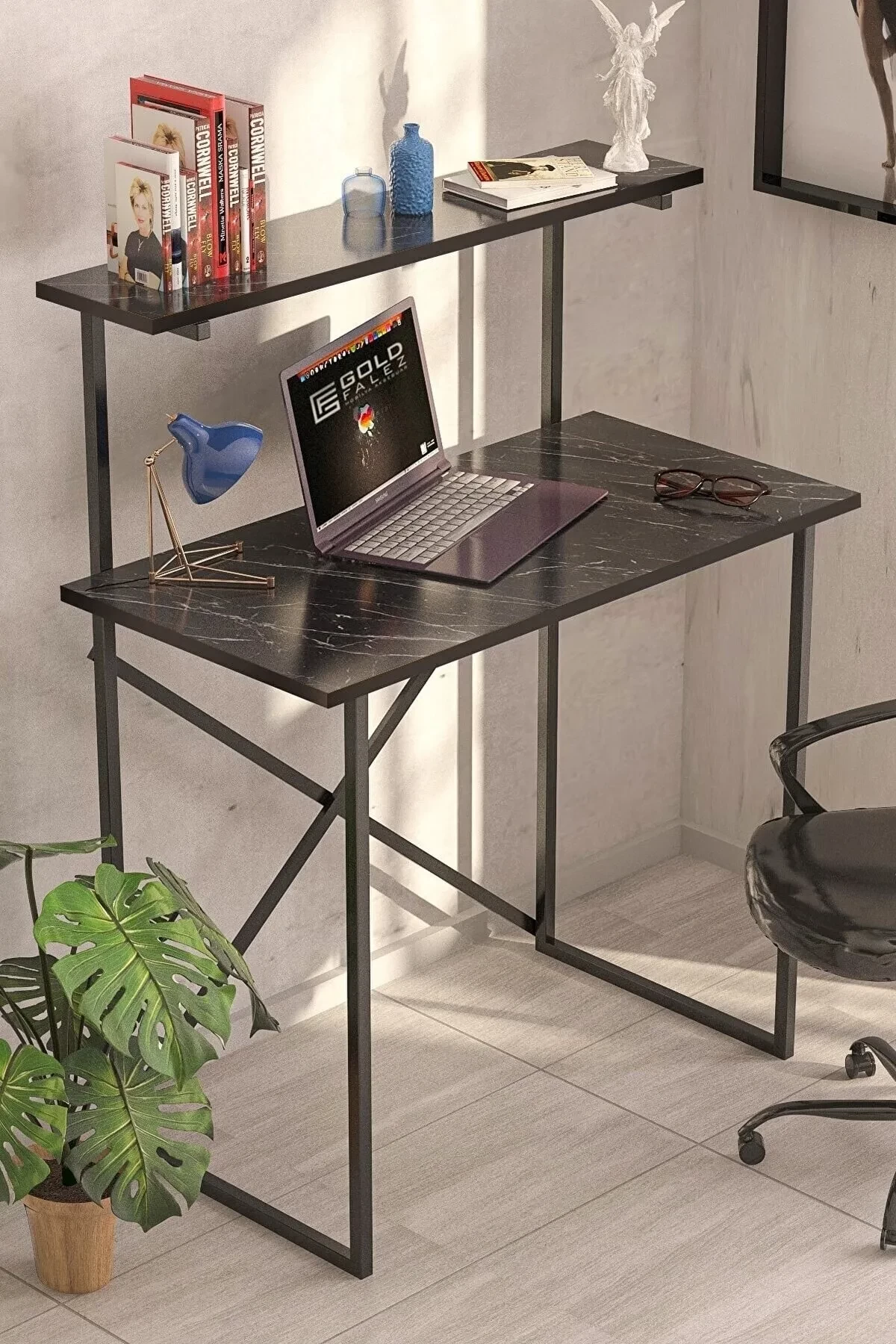
As children reach school age, a dedicated study area becomes essential. Integrating a desk that includes built-in storage, such as the Study Desk Bookcase, ensures they have a quiet, organized place for homework. This multi-functional approach saves space and helps establish a productive routine early on.
Frequently Asked Questions
How can I make a small kids' room feel larger?
Focus on vertical storage and multi-functional furniture. Using wall shelves and desks with integrated bookcases keeps the floor clear. Light colors and strategic lighting also help open up the space visually.
What are the best materials for kids' furniture?
MDF and high-quality particleboard (Suntalam) are excellent choices for kids' rooms because they are durable, easy to clean, and can be finished in a variety of child-safe colors and textures.
How often should I update a child's room layout?
Generally, every 2-3 years as your child enters new developmental stages. Using adaptable furniture that serves both younger and older children can reduce the need for complete replacements.
Conclusion
Designing a kids' room is a journey of creativity and planning. By choosing high-quality, functional pieces like those from Goldfalez, you create a sanctuary that supports your child's growth and happiness. Start building your perfect kids' room today by exploring our full range of durable and stylish furniture options.
Frequently Asked Questions
How can I make a small kids' room feel larger?
Focus on vertical storage and multi-functional furniture. Using wall shelves and desks with integrated bookcases keeps the floor clear. Light colors and strategic lighting also help open up the space visually.
What are the best materials for kids' furniture?
MDF and high-quality particleboard (Suntalam) are excellent choices for kids' rooms because they are durable, easy to clean, and can be finished in a variety of child-safe colors and textures.
How often should I update a child's room layout?
Generally, every 2-3 years as your child enters new developmental stages. Using adaptable furniture that serves both younger and older children can reduce the need for complete replacements.