Standing vs. Sitting: How Your Desk Affects Health
The debate over standing versus sitting at work has intensified in recent years, with some health experts even labeling prolonged sitting as "the new smoking." While that might be a bit of an exaggeration, the underlying message is clear: our bodies were designed for movement, not for remaining static for eight hours a day. Your choice of desk and how you use it can have a profound impact on your cardiovascular health, your metabolism, and the long-term integrity of your spine.
The Risks of the Sedentary Workspace
When we sit for long periods, our large muscle groups—especially in the legs—become inactive. This slows down our metabolism and changes how the body handles blood sugar and cholesterol. Over years, this "sedentary behavior" is linked to increased risks of heart disease and Type 2 diabetes.
Furthermore, the physical strain of sitting often leads to "Upper Cross Syndrome," where the chest muscles tighten and the upper back muscles weaken, causing a rounded-shoulder posture. To combat this, we need to think about our workspace as an active environment rather than a static one.
The Movement Solution: Dynamic Working
The secret to a healthy workday isn't necessarily standing all day—which can cause its own issues like varicose veins and joint strain—but rather movement. The goal is to change your posture frequently.
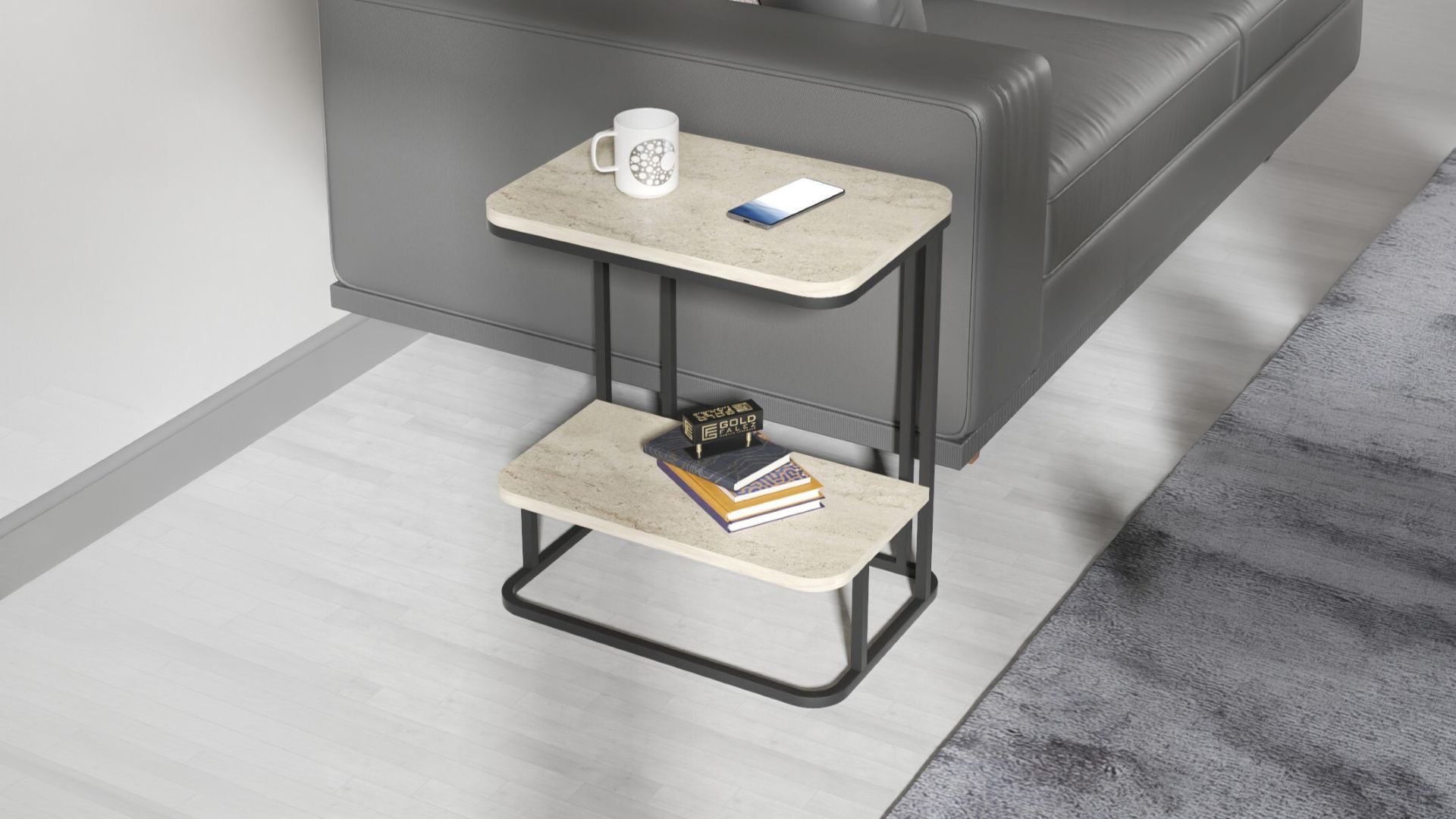
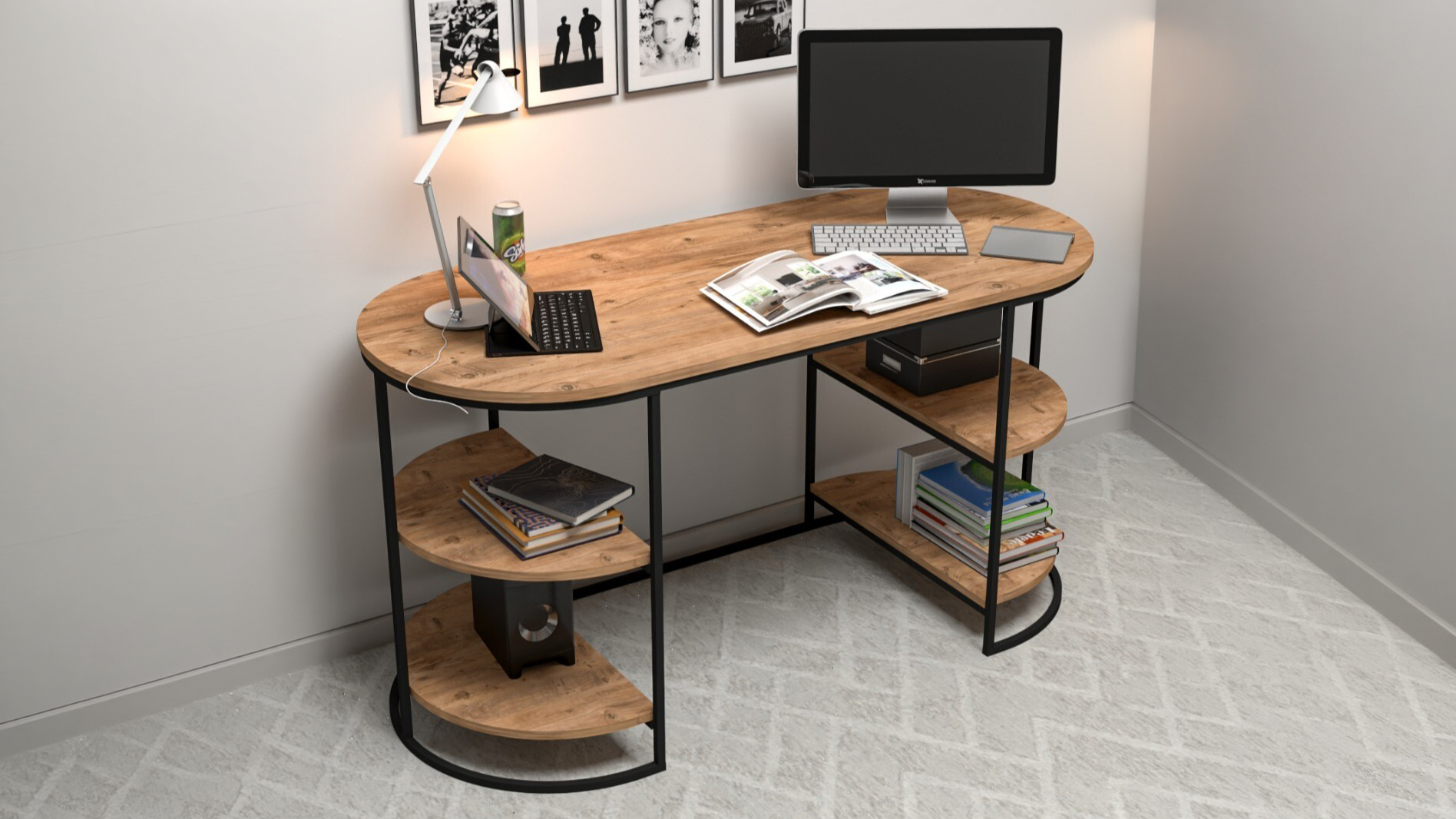
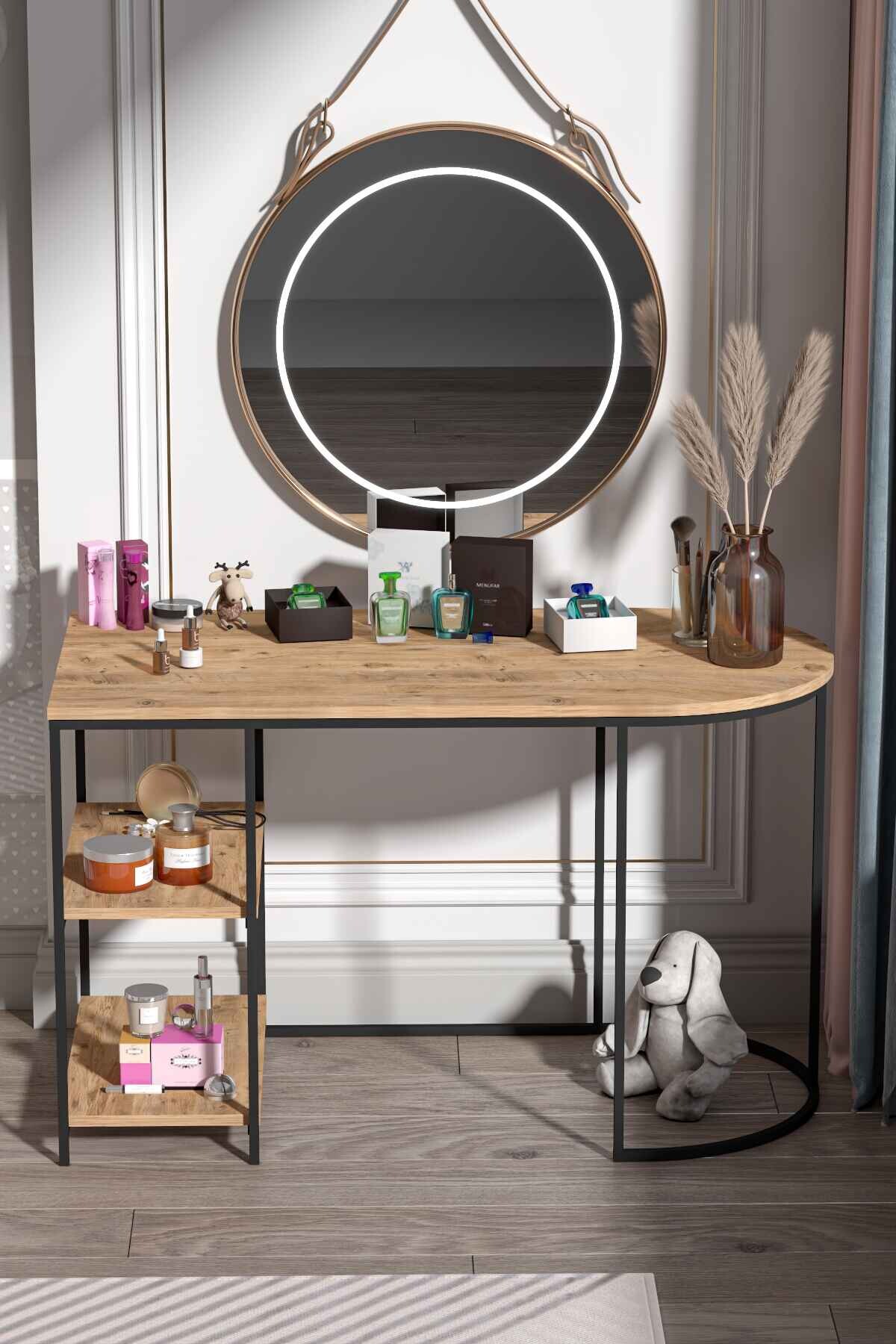
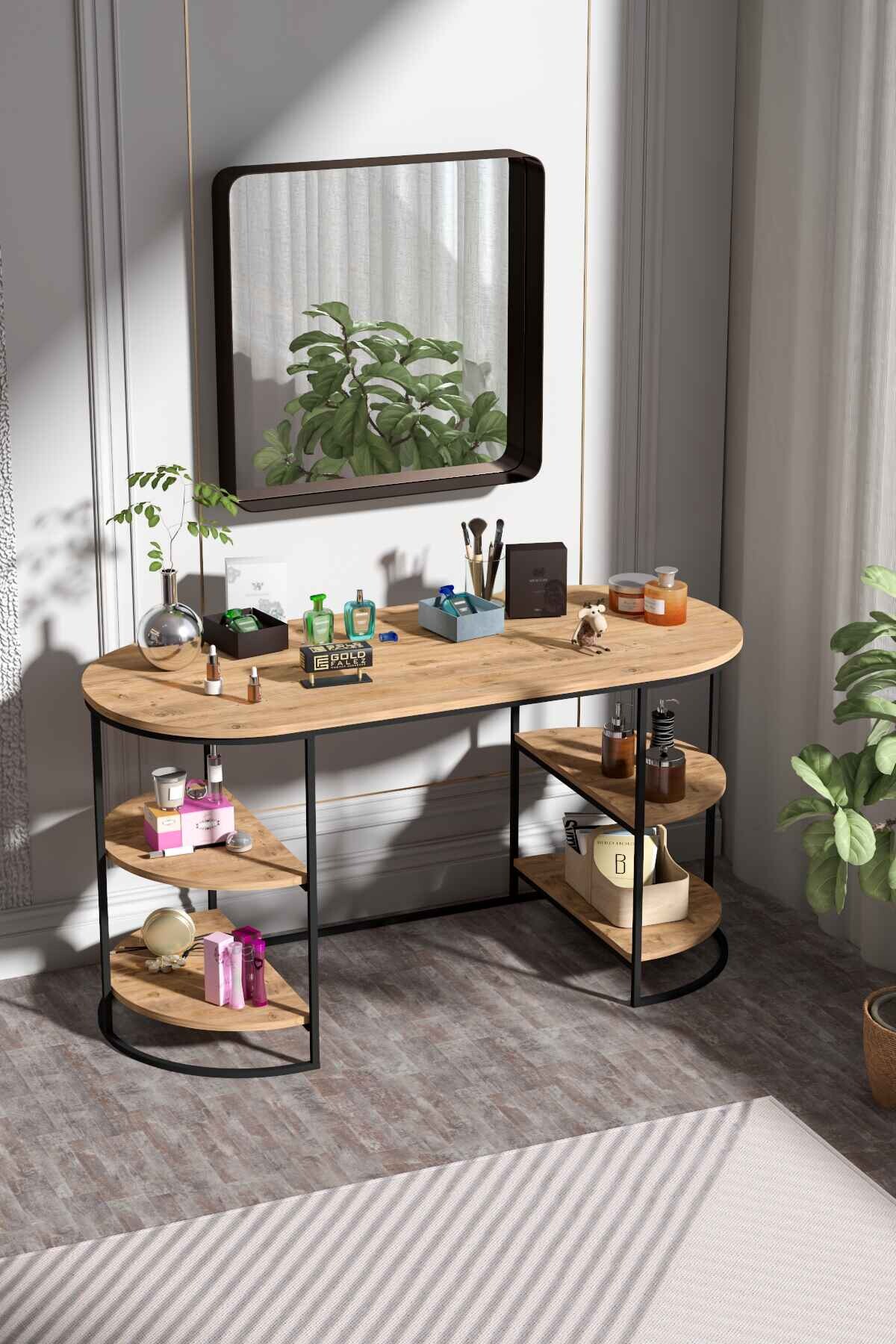
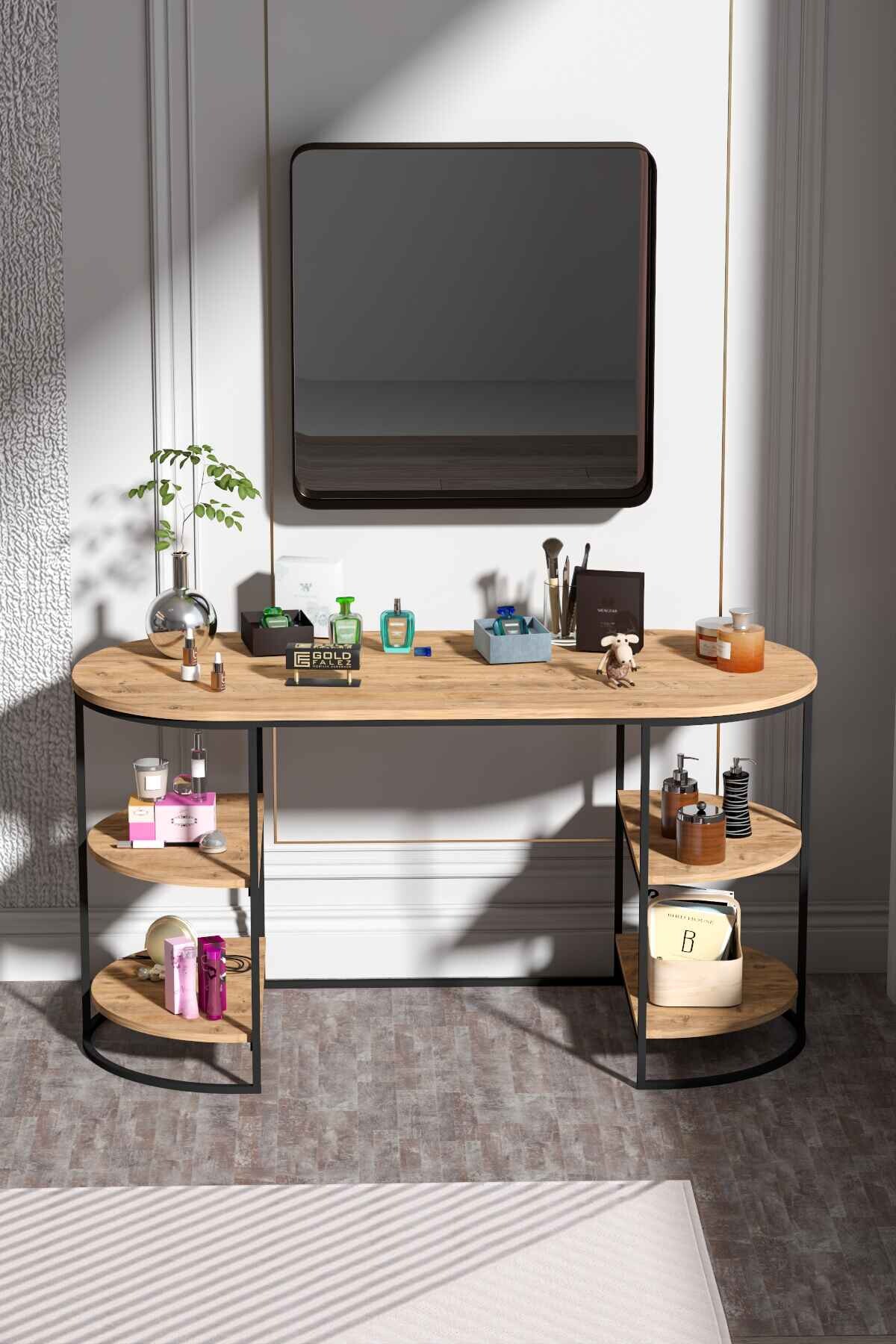
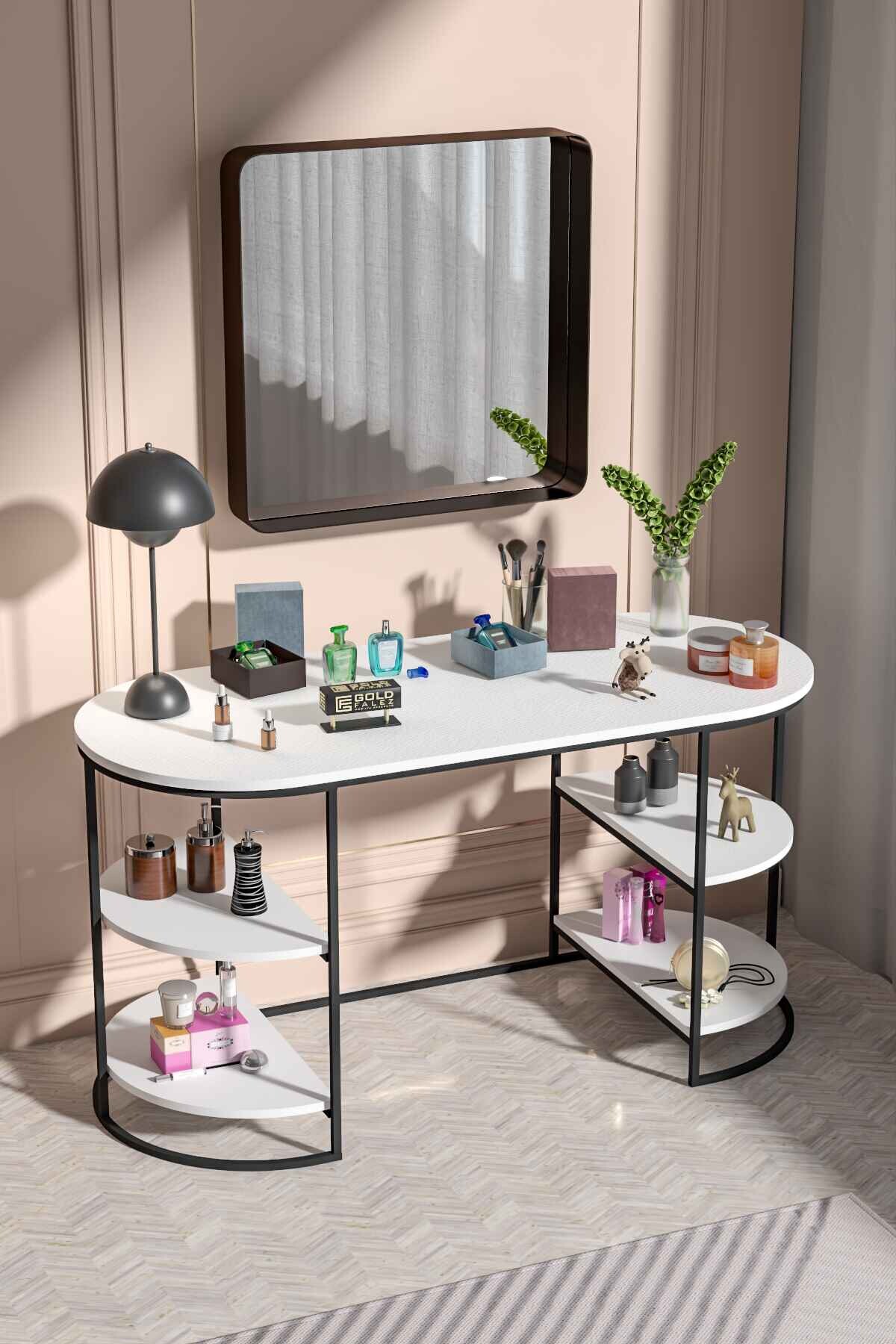
If you don't have a dedicated height-adjustable desk, you can still achieve a dynamic workflow. Many professionals use a standard, high-quality desk like the Multipurpose Desk for their primary "deep work" and then switch to a portable solution for meetings or lighter tasks. The Laptop Coffee Table Study is an excellent tool for this; it allows you to move your work to a counter, a higher table, or even a comfortable sofa for a short period, encouraging your body to shift and reset.
Maximizing the Benefits of Your Setup
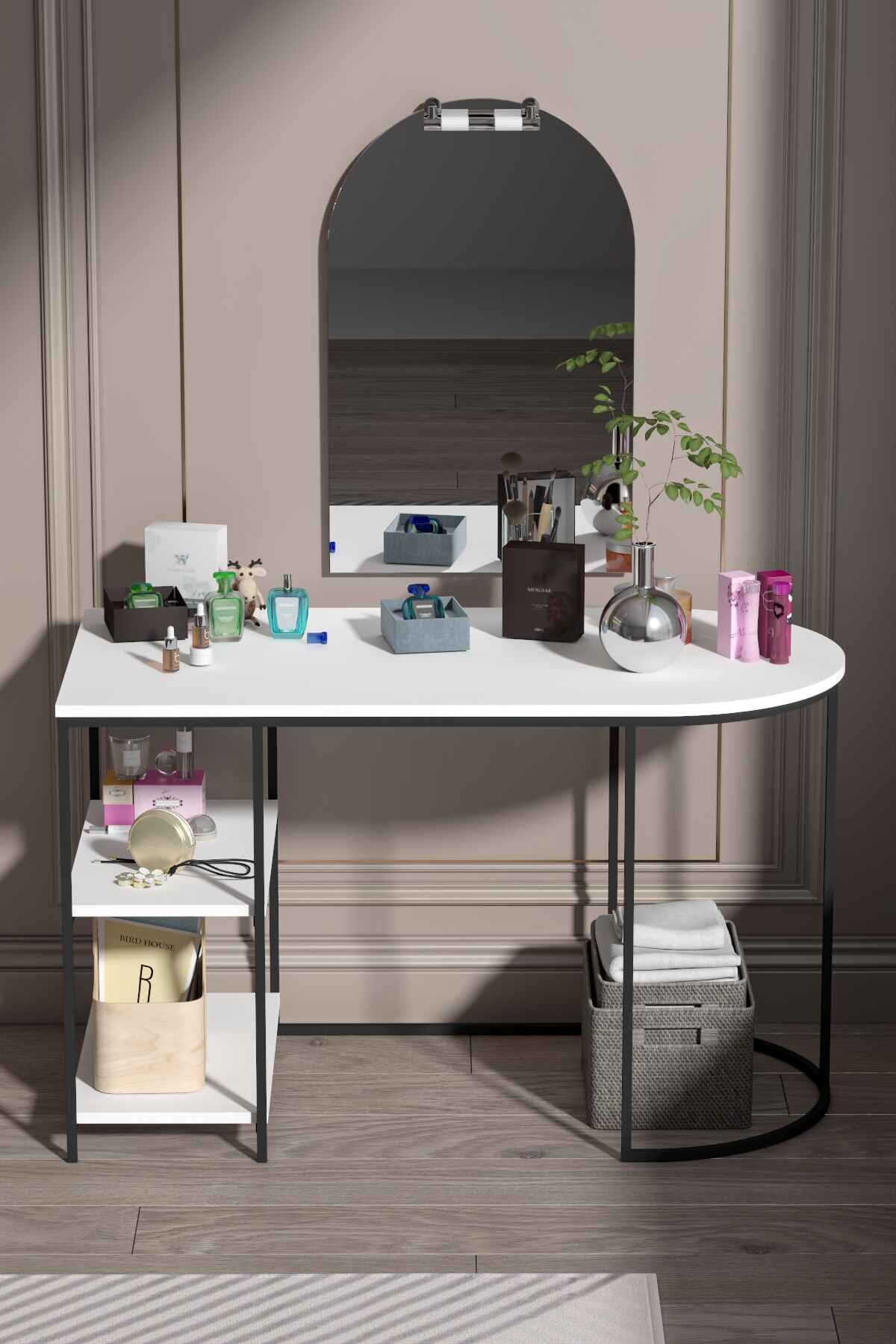
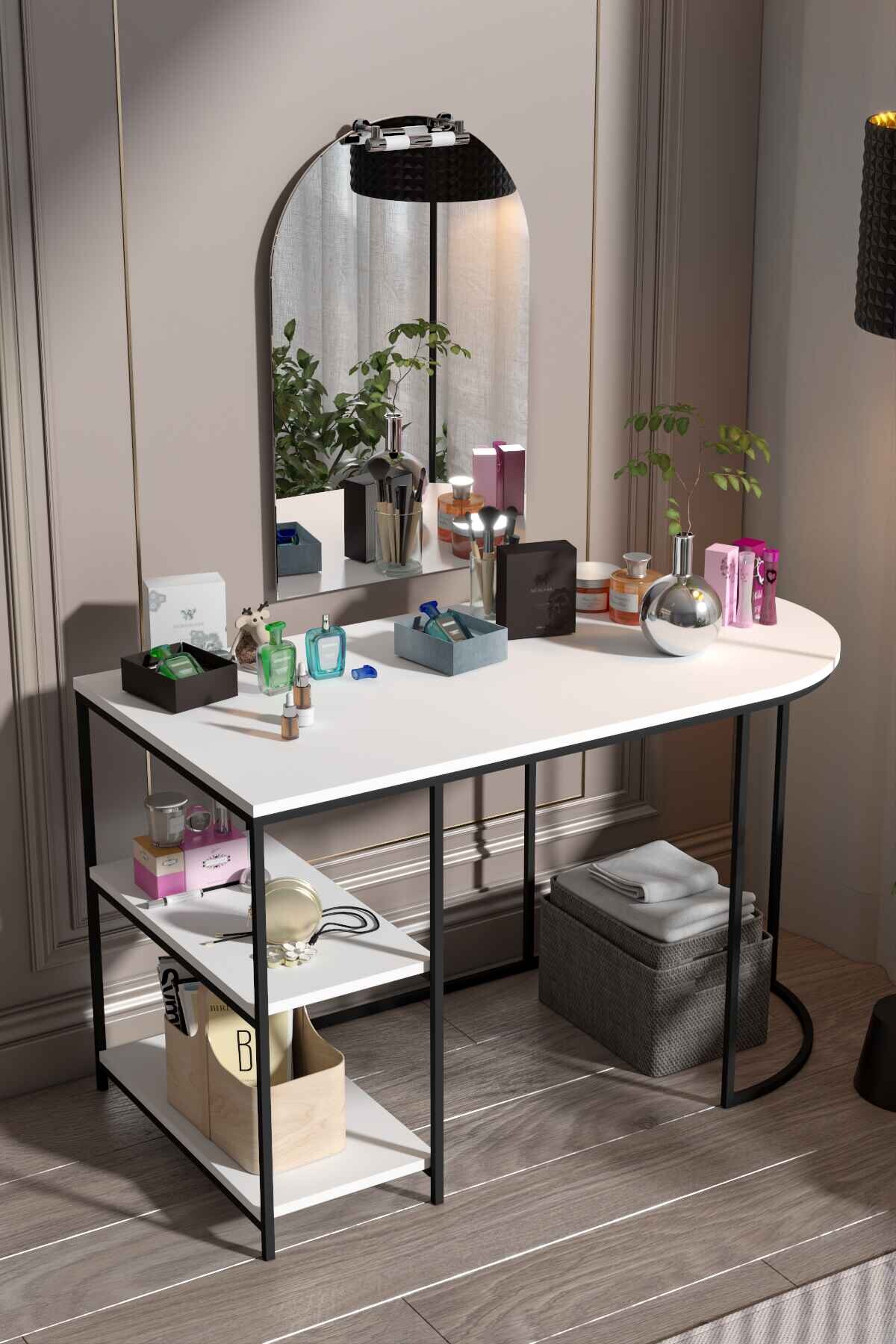
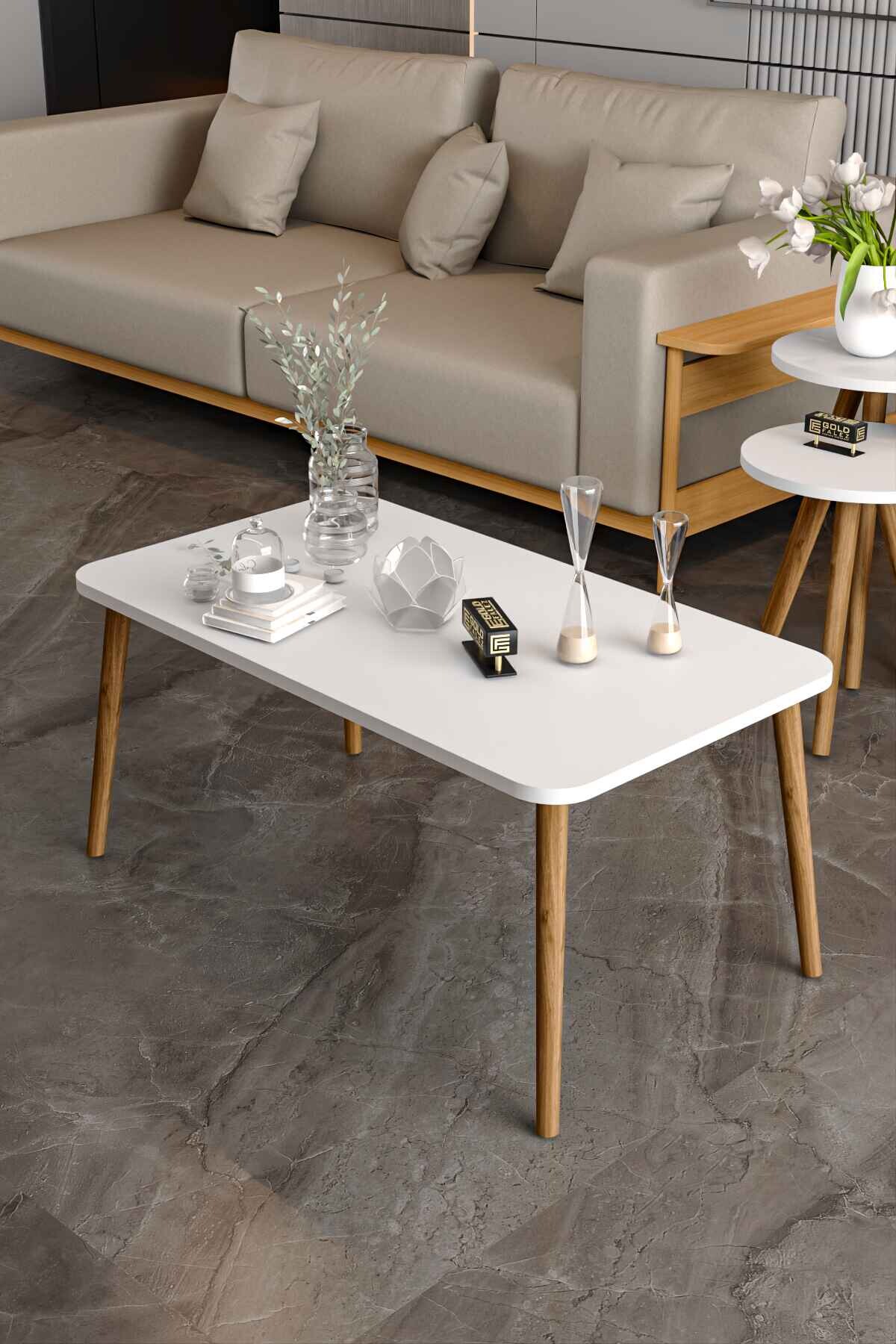
Regardless of whether you are sitting or standing, the quality of your desk's construction matters. A flimsy desk that wobbles during typing will cause you to unconsciously tense your muscles to compensate, leading to fatigue. A solid, stable surface like the Multipurpose Table 125 Cm provides the foundational support needed for focused work, allowing you to relax into a proper ergonomic posture.
Tips for Healthy Sitting
- The Lumbar Support: Ensure your chair supports the natural curve of your lower back.
- Eye Level: Your monitor should be at eye level so you don't have to tilt your head.
- The 30-Minute Reset: Set a timer for every 30 minutes to stand up, stretch your hip flexors, and take a quick walk.
Tips for Healthy Standing
- Start Slow: If you decide to stand, start with 15-minute intervals and gradually increase the time.
- Footwear Matters: Never stand for long periods in high heels or completely flat shoes without support. A cushioned mat can also help.
- Keep it Level: Just like sitting, your elbows should be at 90 degrees when you are standing and typing.
The Psychological Impact of Posture
Health isn't just physical; it's mental. Standing or sitting upright has been shown to boost confidence and energy levels. When you are slumped over a desk, your breathing becomes shallower, which can increase feelings of stress and anxiety. By choosing a workspace that allows you to sit with pride and move with ease, you are supporting your mental well-being as much as your physical health.
Frequently Asked Questions
Does standing actually burn more calories than sitting?
Yes, but the difference is smaller than you might think—roughly 15 to 20 extra calories per hour. The real health benefit of standing isn't the calorie burn; it's the activation of muscles and the improvement in metabolic function and posture.
Is it bad to work from a sofa with a laptop table?
For short periods, no. Using a dedicated tool like the Laptop Coffee Table Study is much better than placing the laptop directly on your lap, as it improves the screen height and prevents heat issues. However, for "marathon" work sessions of 4+ hours, a traditional desk and chair setup is always recommended.
How do I choose between a multipurpose desk and a dedicated study desk?
A Multipurpose Table 125 Cm offers more versatility for different rooms and tasks, while a dedicated study desk often includes specialized storage for office supplies. Choose based on whether your desk needs to be a "dedicated office" or a "flexible household surface."
Conclusion
The "Standing vs. Sitting" debate shouldn't be about choosing one or the other. It should be about choosing motion. By investing in high-quality furniture that supports good posture and using tools that allow for flexibility, you can create a workspace that keeps you healthy, energized, and productive. Take a stand for your health—literally and figuratively—by optimizing your desk habits today.
Frequently Asked Questions
Does standing actually burn more calories than sitting?
Yes, but the difference is smaller than you might think—roughly 15 to 20 extra calories per hour. The real health benefit of standing isn't the calorie burn; it's the activation of muscles and the improvement in metabolic function and posture.
Is it bad to work from a sofa with a laptop table?
For short periods, no. Using a dedicated tool like the Laptop Coffee Table Study is much better than placing the laptop directly on your lap, as it improves the screen height and prevents heat issues. However, for "marathon" work sessions of 4+ hours, a traditional desk and chair setup is always recommended.
How do I choose between a multipurpose desk and a dedicated study desk?
A Multipurpose Table 125 Cm offers more versatility for different rooms and tasks, while a dedicated study desk often includes specialized storage for office supplies. Choose based on whether your desk needs to be a "dedicated office" or a "flexible household surface."