Creating a Productive Workspace: Desks and Beyond
Why is it that we can focus for hours in a quiet library or a well-designed office, but struggle to finish a simple task at our kitchen table? The answer lies in the "psychology of space." Our environment sends constant signals to our brain about what we should be doing. When your workspace is disorganized or poorly equipped, your brain has to work harder to overcome those distractions. Creating a truly productive workspace is an art form that combines the right desk, thoughtful accessories, and a deep understanding of your own work habits.
The Desk: Your Productivity Foundation
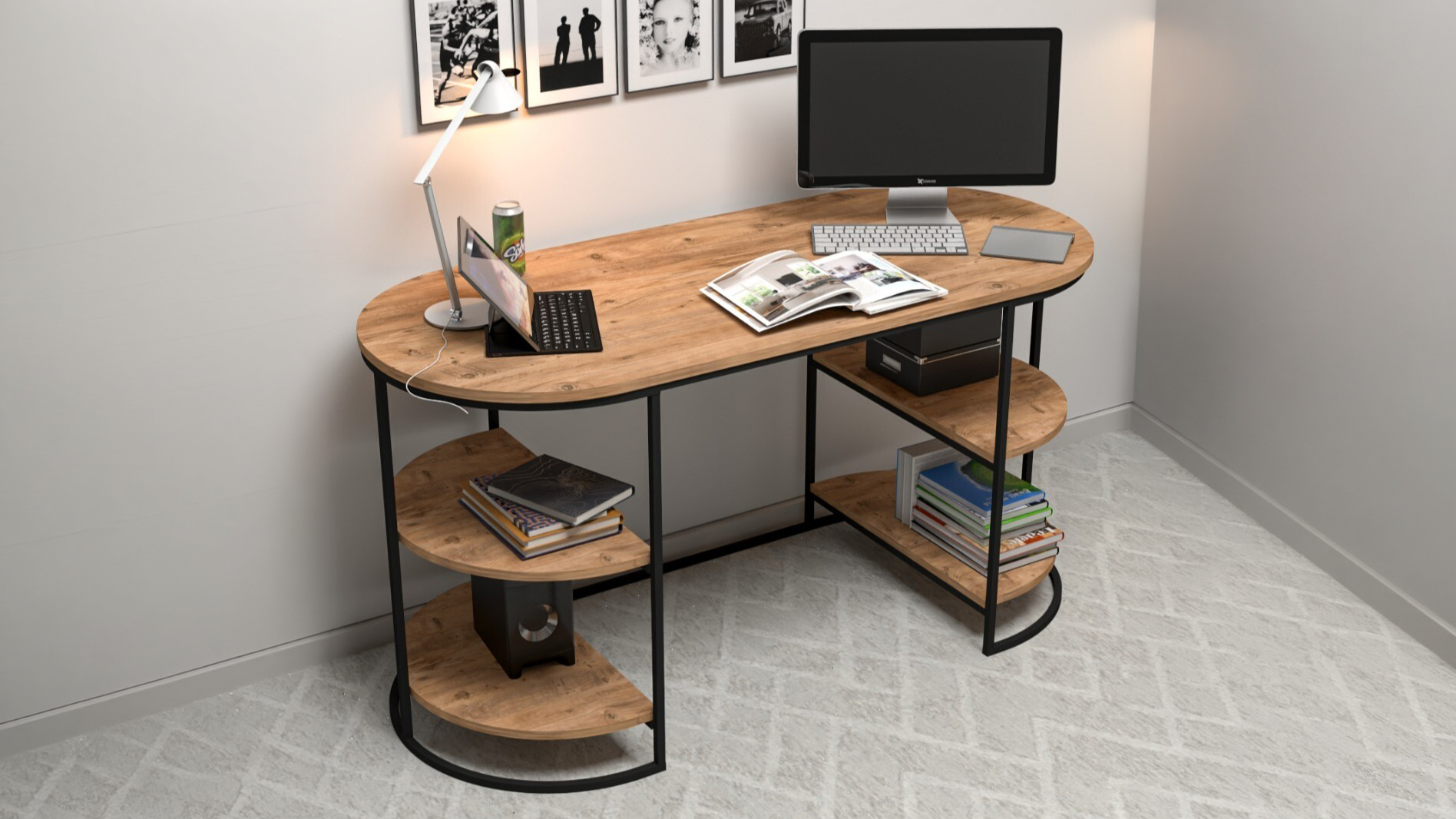
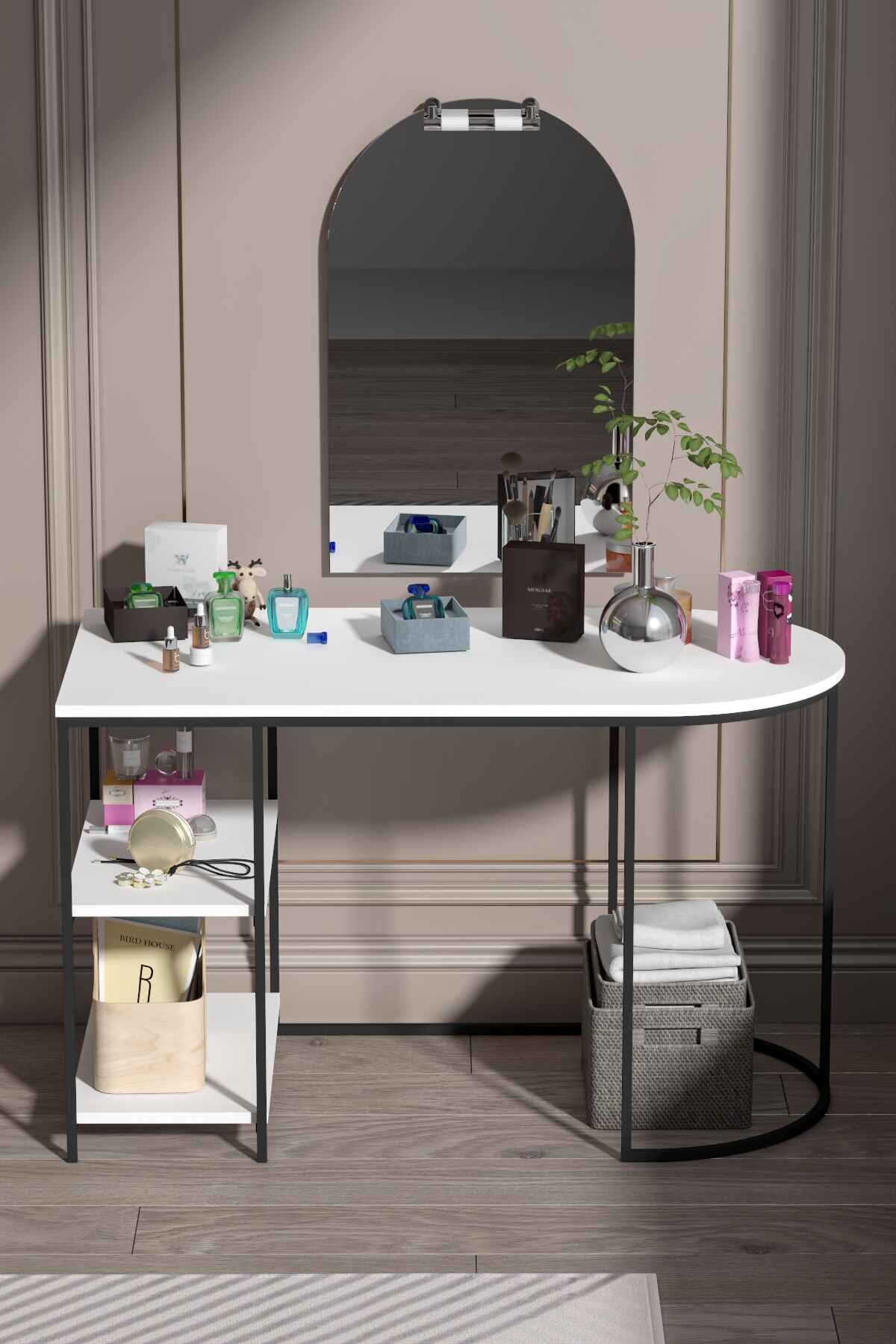
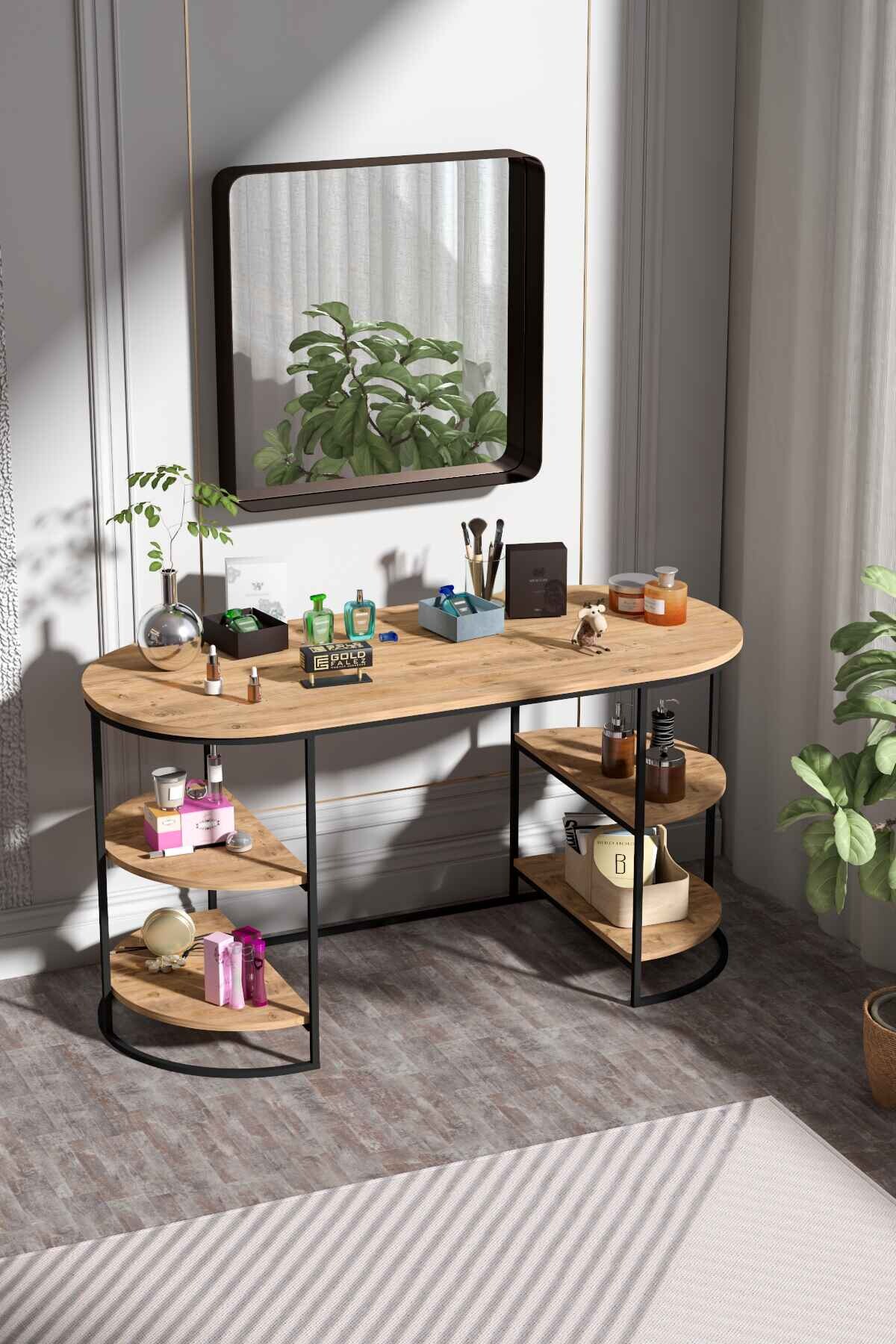
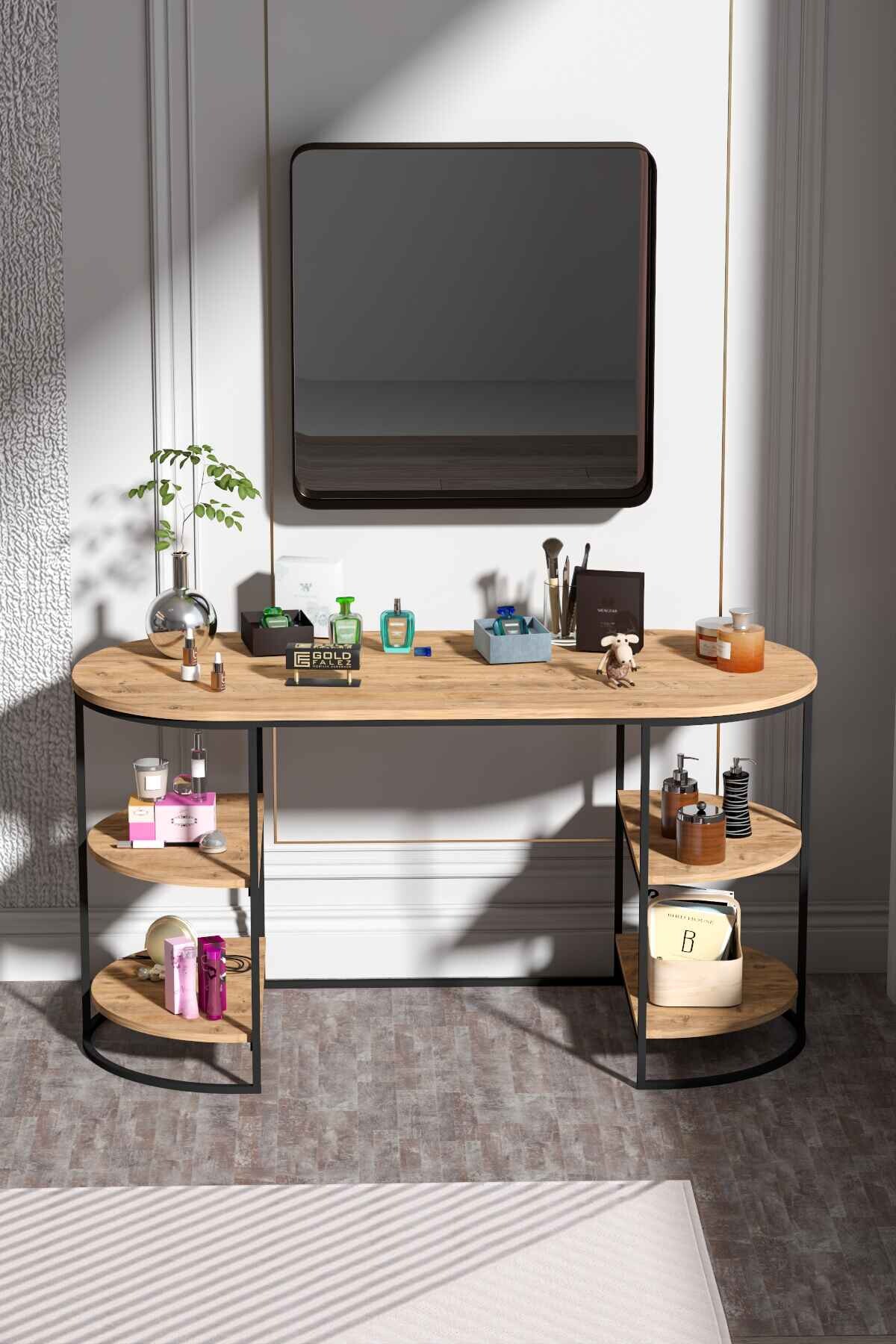
The desk is the "anchor" of your professional life at home. It should be a dedicated space that tells your brain, "Now it's time to work." When you sit at a high-quality surface like the Multipurpose Table 125 Cm, the stability and ample space provide a sense of professional legitimacy that a temporary table simply cannot match.
A productive desk needs to accommodate two types of work:
- Computer Work: Space for your screen, keyboard, and mouse.
- Deep Thinking: Space to spread out a notebook, a book, or a tablet for brainstorming away from the screen.
If your desk is too small, these two modes of work will conflict, leading to a cluttered surface that stalls your creativity.
The Role of Smart Storage
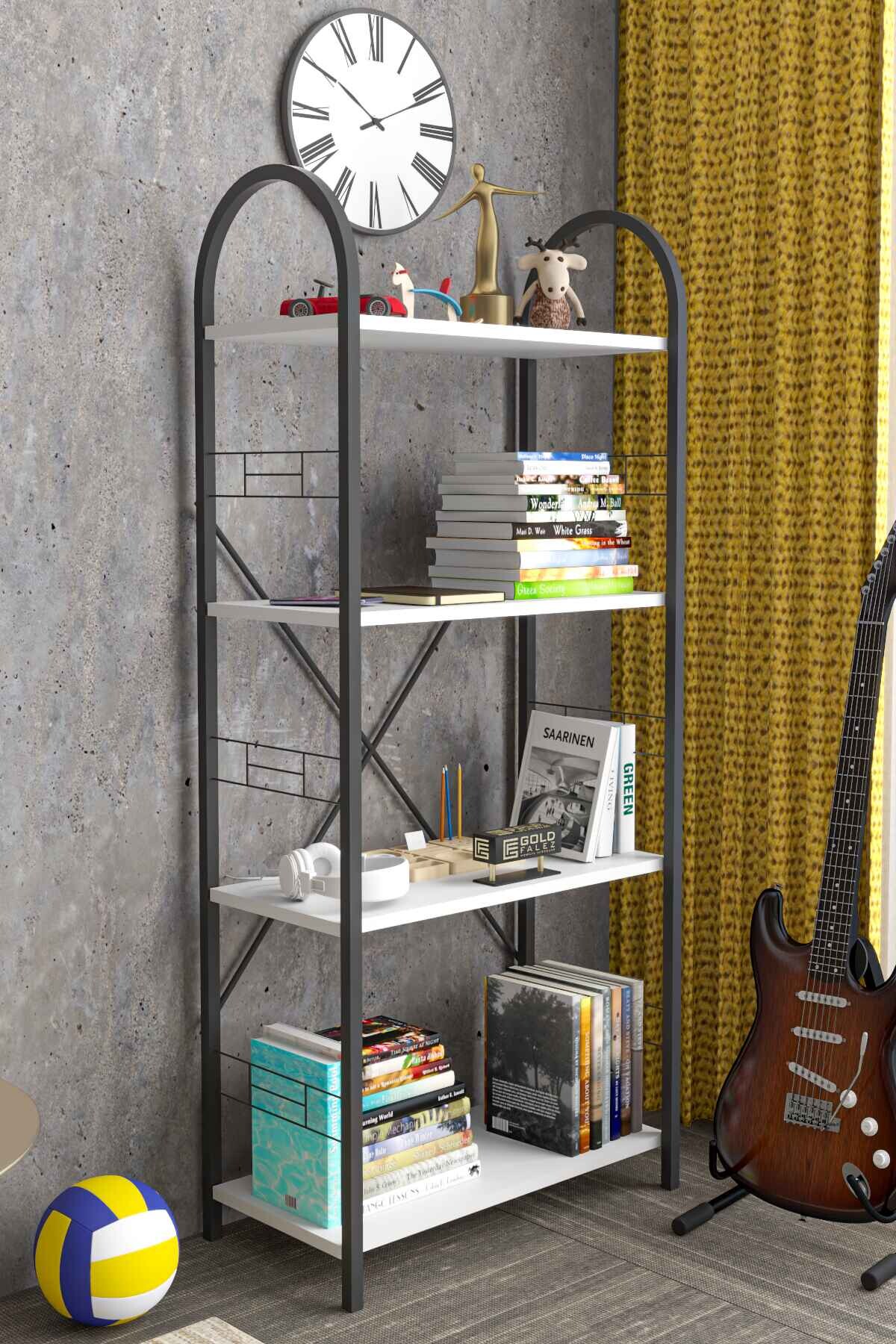
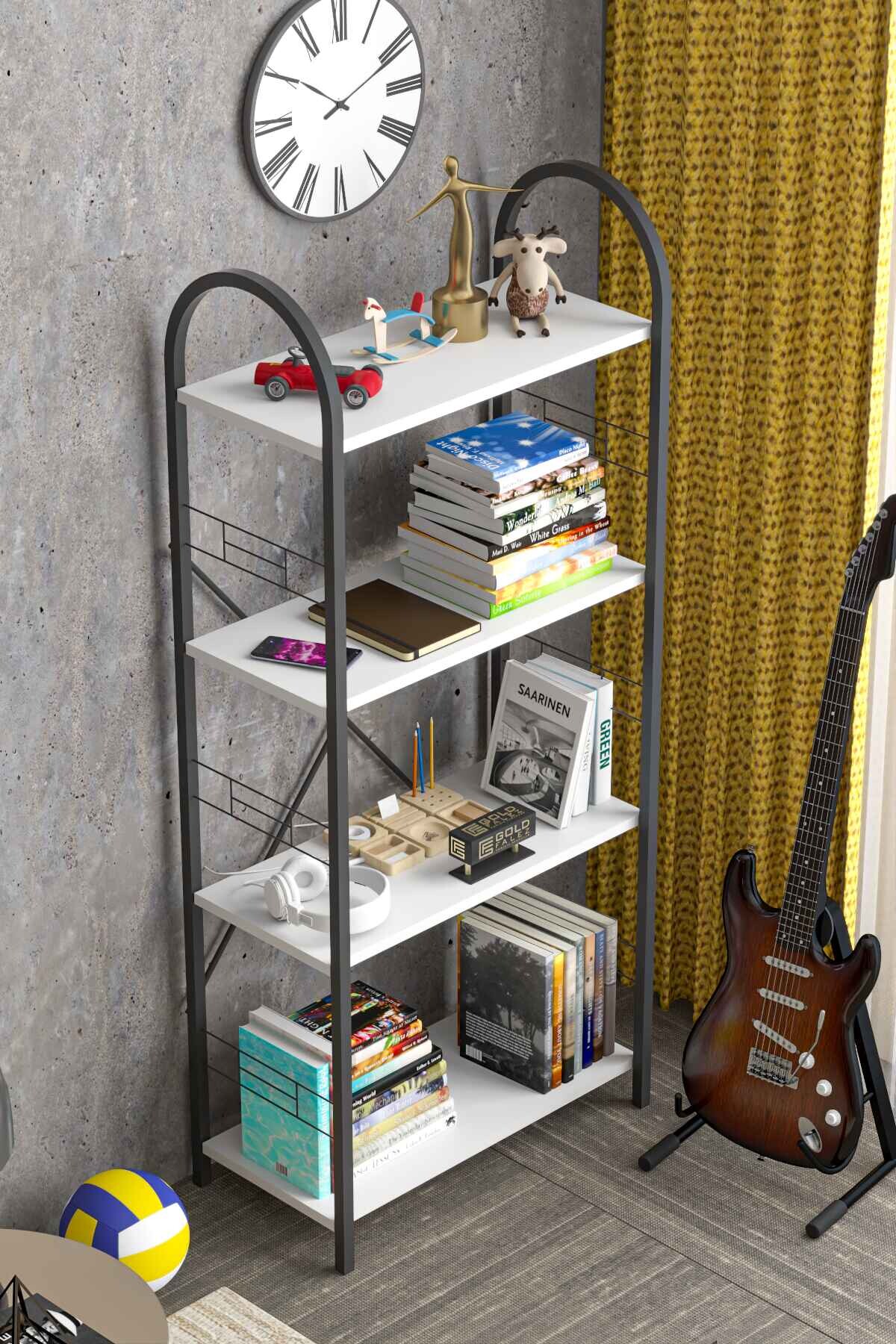
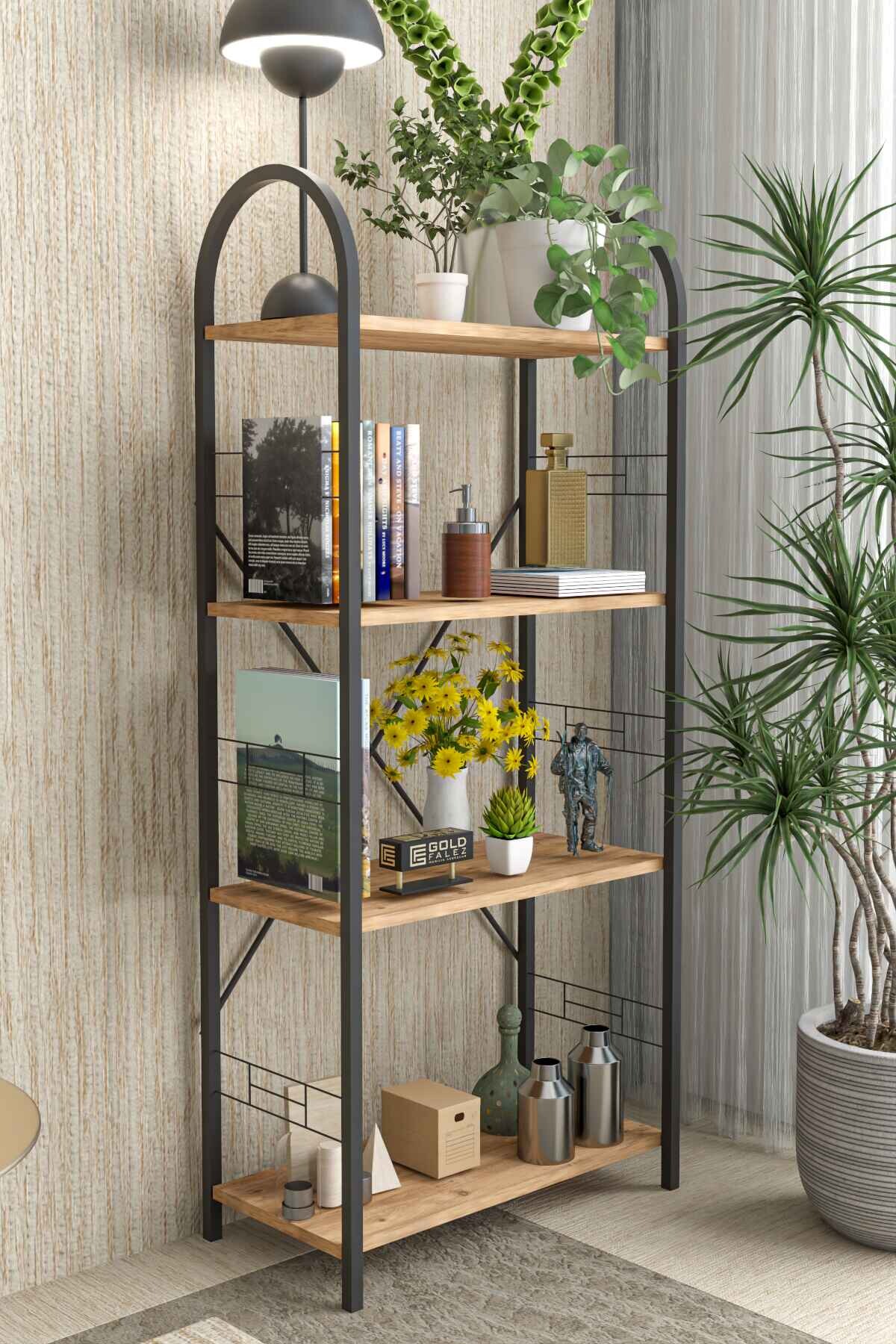
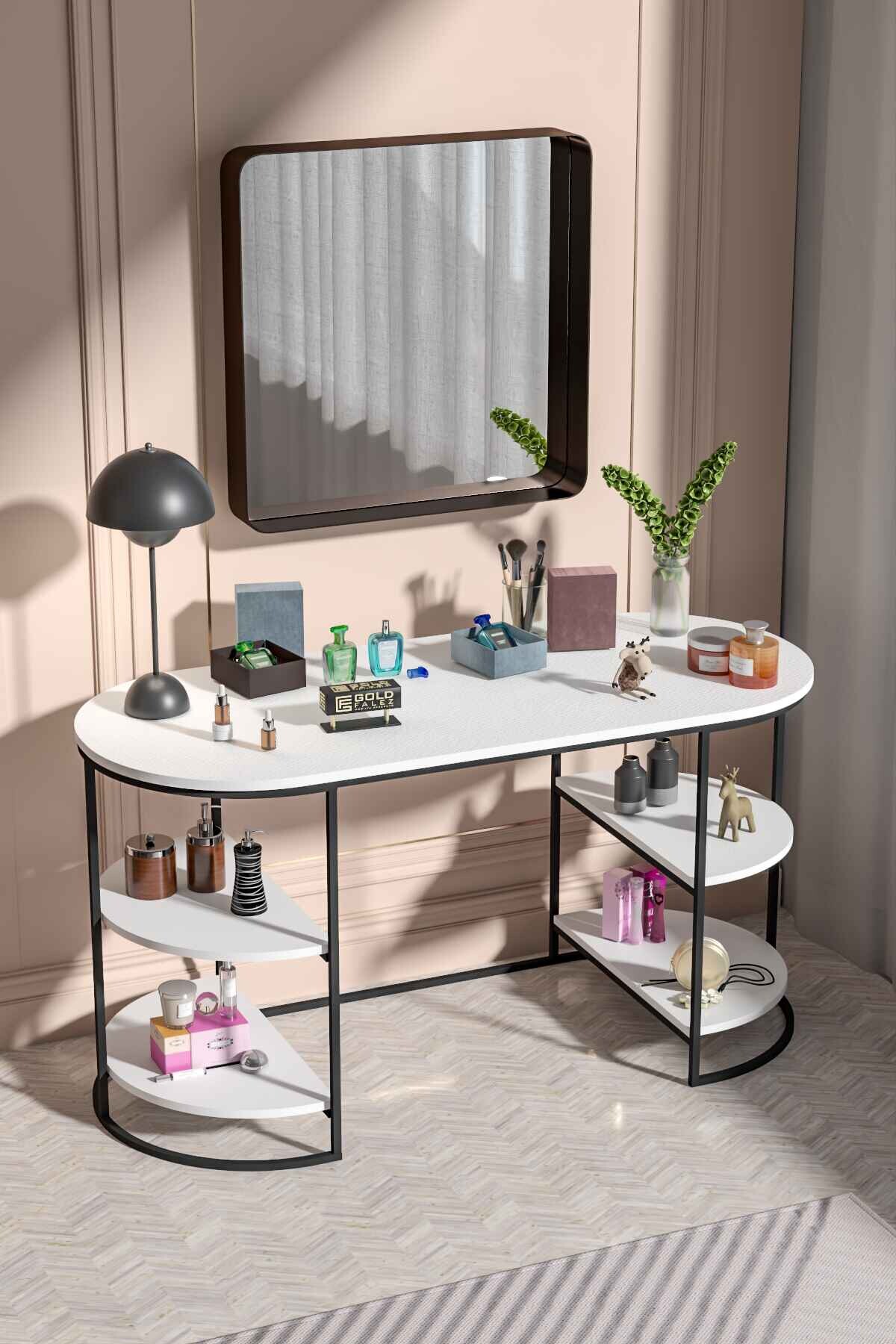
Clutter is the enemy of focus. Every stray paper or uncoiled cable is a "micro-distraction." To combat this, look for furniture that builds organization into its DNA. The Side Shelf Study Desk is a favorite among productivity experts because it allows you to keep the main surface "clean" while keeping your most important tools just a few inches away.
For those who manage large projects or extensive libraries, a desk with even more storage is required. The Ten Shelves Bookshelf Desk turns your workspace into a vertical command center. By storing items vertically, you keep them visible but out of your immediate "active zone," allowing you to stay focused on the task at hand.
Lighting: The Unsung Hero of Focus
Poor lighting is a leading cause of afternoon fatigue. For maximum productivity:
- Natural Light: Position your desk to receive indirect sunlight. Never face a window directly, as the contrast between the screen and the bright sky is tiring for the eyes.
- Layered Lighting: Use a warm overhead light for general visibility and a cool-white task lamp for focused reading or writing.
- Temperature: Cooler light (4000K-5000K) is generally better for concentration, while warmer light (2700K-3000K) is better for creative, relaxed thinking.
Essential Accessories for the High-Performer
Once you have the perfect desk, a few key accessories can take your productivity to the next level:
- Monitor Arm: Elevates your screen to eye level and frees up valuable desk real estate.
- Desk Mat: Provides a consistent texture for your mouse and adds a touch of warmth and style to the surface.
- Cable Sleeves: Hides the "spaghetti" of wires that naturally accumulates behind a computer.
- Plants: Studies show that having even one small plant on your desk can reduce stress levels and increase attention spans.
Frequently Asked Questions
How do I stop my desk from becoming a "catch-all" for household items?
Set a strict "Work Only" rule. Nothing should be placed on your desk that isn't related to your professional or academic goals. This physical boundary helps reinforce the mental boundary between home life and work life.
What is the best desk width for productivity?
While it depends on your tasks, 120 cm is generally considered the "sweet spot" for productivity. It is wide enough for a dual-monitor setup or a single monitor plus a writing area, but not so large that you start to fill the ends with unnecessary clutter.
Should I face my desk toward a wall or the center of the room?
Facing a wall is usually better for "deep work" as it minimizes visual distractions. However, if you find it claustrophobic, try placing your desk so that you have a view of the room or a window out of the corner of your eye. The most important thing is that you feel comfortable and focused.
Conclusion
Your workspace is an investment in your most valuable asset: your ability to think and produce. By choosing a desk that fits your needs and surrounding it with thoughtful lighting and organization, you create a powerhouse of productivity. Whether you are a freelancer, a remote executive, or a dedicated student, the Goldfalez collection offers the Turkish-crafted quality you need to reach your full potential.
Frequently Asked Questions
How do I stop my desk from becoming a "catch-all" for household items?
Set a strict "Work Only" rule. Nothing should be placed on your desk that isn't related to your professional or academic goals. This physical boundary helps reinforce the mental boundary between home life and work life.
What is the best desk width for productivity?
While it depends on your tasks, 120 cm is generally considered the "sweet spot" for productivity. It is wide enough for a dual-monitor setup or a single monitor plus a writing area, but not so large that you start to fill the ends with unnecessary clutter.
Should I face my desk toward a wall or the center of the room?
Facing a wall is usually better for "deep work" as it minimizes visual distractions. However, if you find it claustrophobic, try placing your desk so that you have a view of the room or a window out of the corner of your eye. The most important thing is that you feel comfortable and focused.