Side Table Placement Guide: Living Room & Bedroom
Finding the perfect spot for a side table is about more than just filling an empty corner; it is about creating a functional flow that enhances the ergonomics of your living space. Whether you are looking to support a reading lamp in the bedroom or provide a resting place for a coffee cup in the lounge, placement is the key to both aesthetic balance and daily convenience. A well-placed table bridges the gap between different furniture pieces, acting as a transition that ties the room's design together.
Living Room Placement Strategy
In the living room, the primary role of a side table is to serve the seating area. The golden rule is accessibility: any person seated on a sofa or armchair should be able to reach the table comfortably without leaning forward or stretching. Ideally, the table should be positioned at the ends of a sofa or between two armchairs. If you have a long sofa, placing a table at both ends creates a sense of symmetry that is pleasing to the eye.
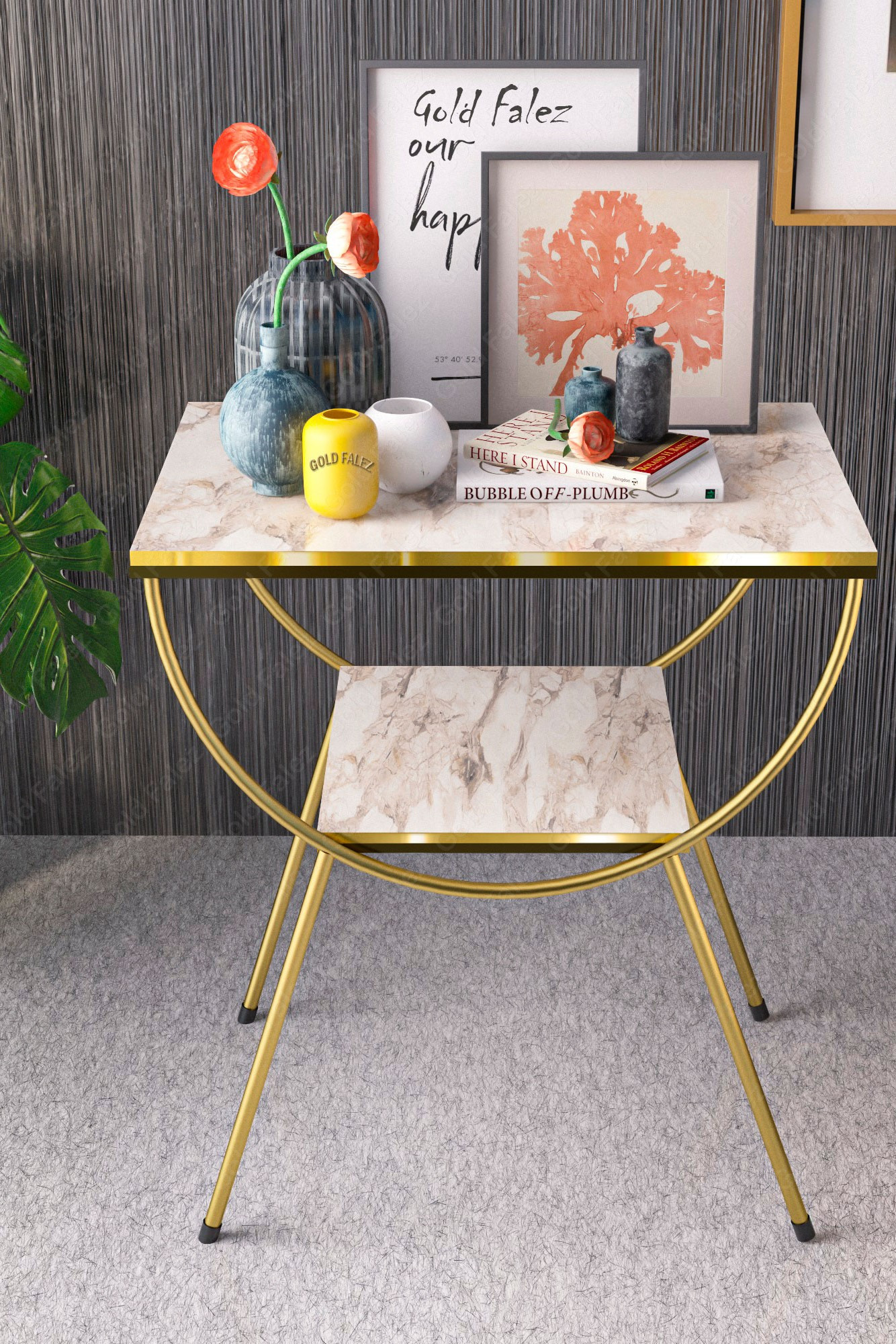
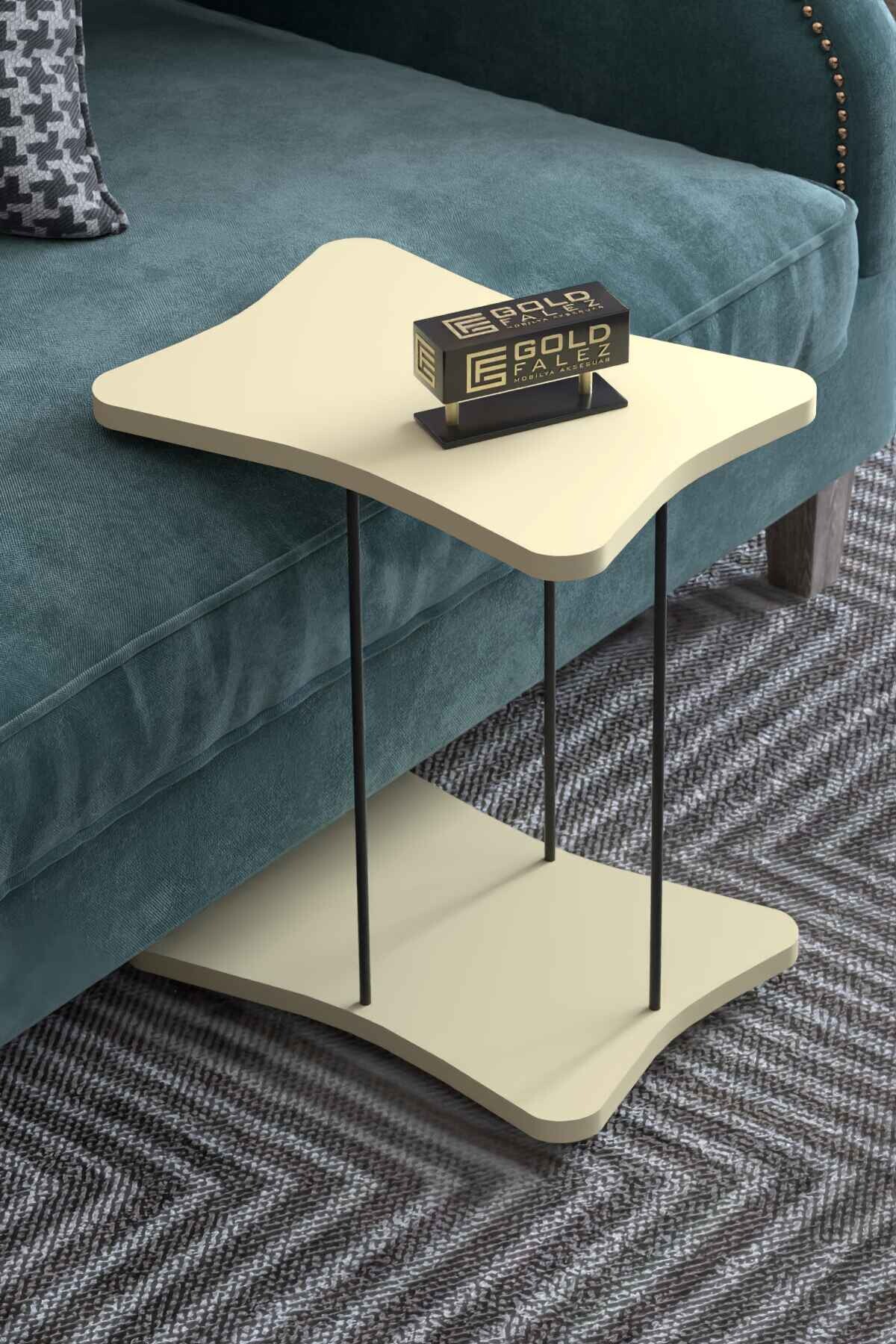
The Metal Side Table is an excellent choice for these high-traffic areas because its sturdy construction can handle daily use while its sleek profile ensures it doesn't obstruct movement paths. When placing it next to a sofa, ensure there is roughly 2 to 3 inches of space between the sofa arm and the table edge to prevent a cramped appearance.
The Corner Solution
Corners are often dead zones in living rooms. A side table can transform these areas into functional vignettes. By placing a round or square table in a corner between two perpendicular sofas, you create a "L" shaped seating arrangement that feels cohesive. This setup is perfect for placing a large decorative lamp that can provide ambient lighting for the entire room.
Bedroom Placement: Beyond the Traditional Nightstand
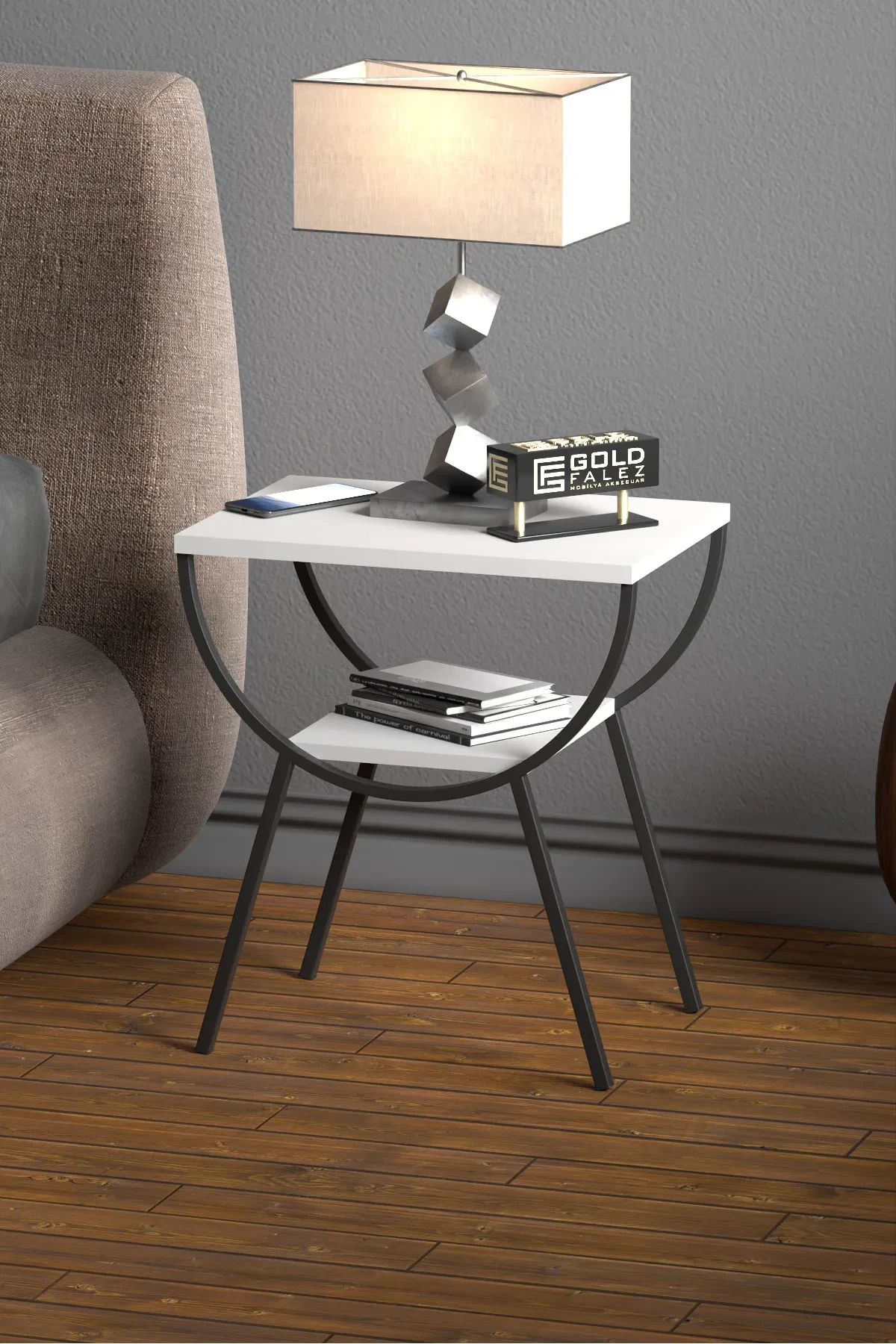
While many people think of bedside tables as a distinct category, high-quality side tables are often more versatile. In the bedroom, the side table should be aligned with the top of the mattress. This ensures that when you are lying down, your phone, water, or book is exactly where your hand naturally falls.
Using the Double Strip Metal Side Table as a bedside companion adds a modern, industrial touch. Its height is specifically designed to accommodate standard bed heights, providing a stable platform that feels intentional rather than like an afterthought. In smaller bedrooms, using a side table with a smaller footprint can actually make the room feel larger by exposing more floor space.
Ergonomics and Practicality
Functionality should always dictate placement. Consider the height of your seating. A side table should ideally be within 2 inches of the height of the arm of the chair or sofa it sits next to. If the table is significantly lower, it becomes awkward to use; if it is too high, it creates a visual barrier that can make the room feel segmented.
For those who enjoy a flexible living environment, the Side Table Wheels offers a dynamic solution. This piece can be moved from the side of the sofa to the center of the room to serve as a temporary snack station, then tucked away when not in use. Its mobility makes it a favorite for modern, multi-functional homes where the layout might change depending on the activity.
Frequently Asked Questions
Where should a side table be placed in a small living room?
In a small living room, place the side table at the end of the sofa that is furthest from the room's entrance. This keeps the walkway clear while still providing functionality. Alternatively, use a "C" shaped table that can slide over the sofa seat to save floor space.
Can I use a side table on only one side of the bed?
Yes, asymmetrical placement is a popular modern trend. Using one side table and a floor lamp on the other side creates a balanced but non-matching look. This works particularly well in smaller rooms where two tables might feel cluttered.
How far should a side table be from the wall?
Ideally, a side table should be placed about 1-2 inches away from the wall. This prevents the furniture from looking "pushed" against the wall and allows for lamp cords to pass through easily without being pinched.
Conclusion
Correct placement of your side tables can drastically improve the comfort and style of your home. By focusing on accessibility, height alignment, and the specific needs of each room, you turn a simple piece of furniture into a vital component of your interior design. Whether you choose a static metal piece or a mobile wheeled version, let functionality guide your layout for the best results.
Frequently Asked Questions
Where should a side table be placed in a small living room?
In a small living room, place the side table at the end of the sofa that is furthest from the room's entrance. This keeps the walkway clear while still providing functionality. Alternatively, use a "C" shaped table that can slide over the sofa seat to save floor space.
Can I use a side table on only one side of the bed?
Yes, asymmetrical placement is a popular modern trend. Using one side table and a floor lamp on the other side creates a balanced but non-matching look. This works particularly well in smaller rooms where two tables might feel cluttered.
How far should a side table be from the wall?
Ideally, a side table should be placed about 1-2 inches away from the wall. This prevents the furniture from looking "pushed" against the wall and allows for lamp cords to pass through easily without being pinched.