250+ Products 40+ Countries 70+ Years of craft 🇩🇪🇫🇷🇬🇧🇸🇦🇦🇪🇷🇺🇮🇹🇪🇸🇳🇱🇵🇹🇷🇸🇹🇷🇺🇸🇧🇷🇰🇿 Trusted by 250+ retailers across 40+ countries
side table

Choosing the Right Side Table Height and Size

Goldfalez 4 min read
side table height furniture dimensions guide side table size rules sofa table ratio home decor measurements
Choosing the Right Side Table Height and Size

Measurements are the silent language of interior design. When you walk into a room that feels "right," it is often because the proportions of the furniture are in perfect harmony. Choosing a side table is not just about the style or the material; it is fundamentally a question of mathematics. If your table is too tall, it looms over your seating; if it is too short, it becomes a reach-down hazard. Understanding the standard dimensions and how they relate to your existing furniture is the first step toward a professional-looking interior.

The Rule of Thumbs for Height

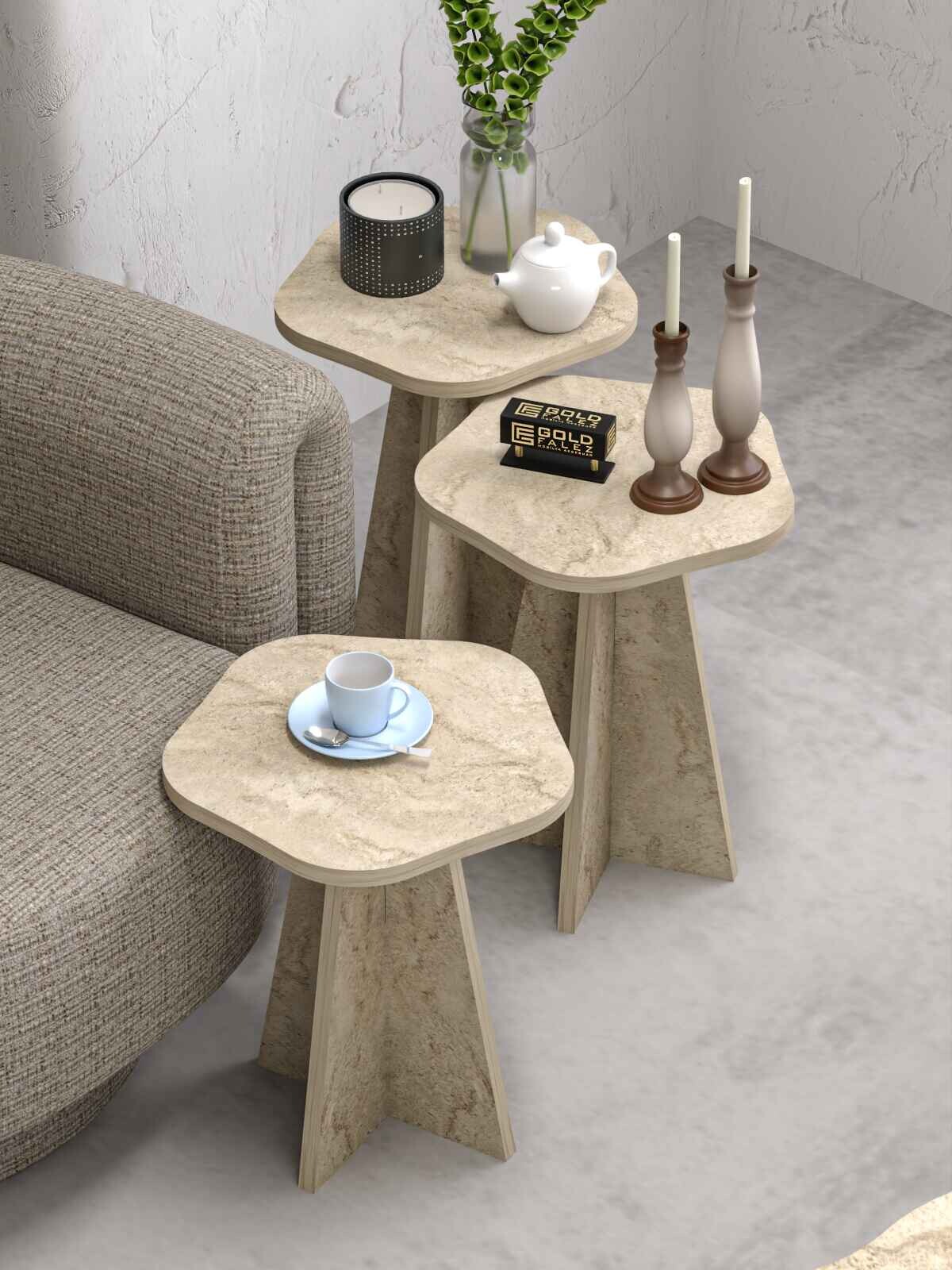
The most important dimension to consider is height. As a general rule, a side table should be equal to or slightly below the height of the arm of the chair or sofa it is paired with. For most modern sofas, this means a height between 20 and 24 inches (50 to 60 cm). If your sofa is a low-profile, modern design, you might look for something in the 18-inch range.

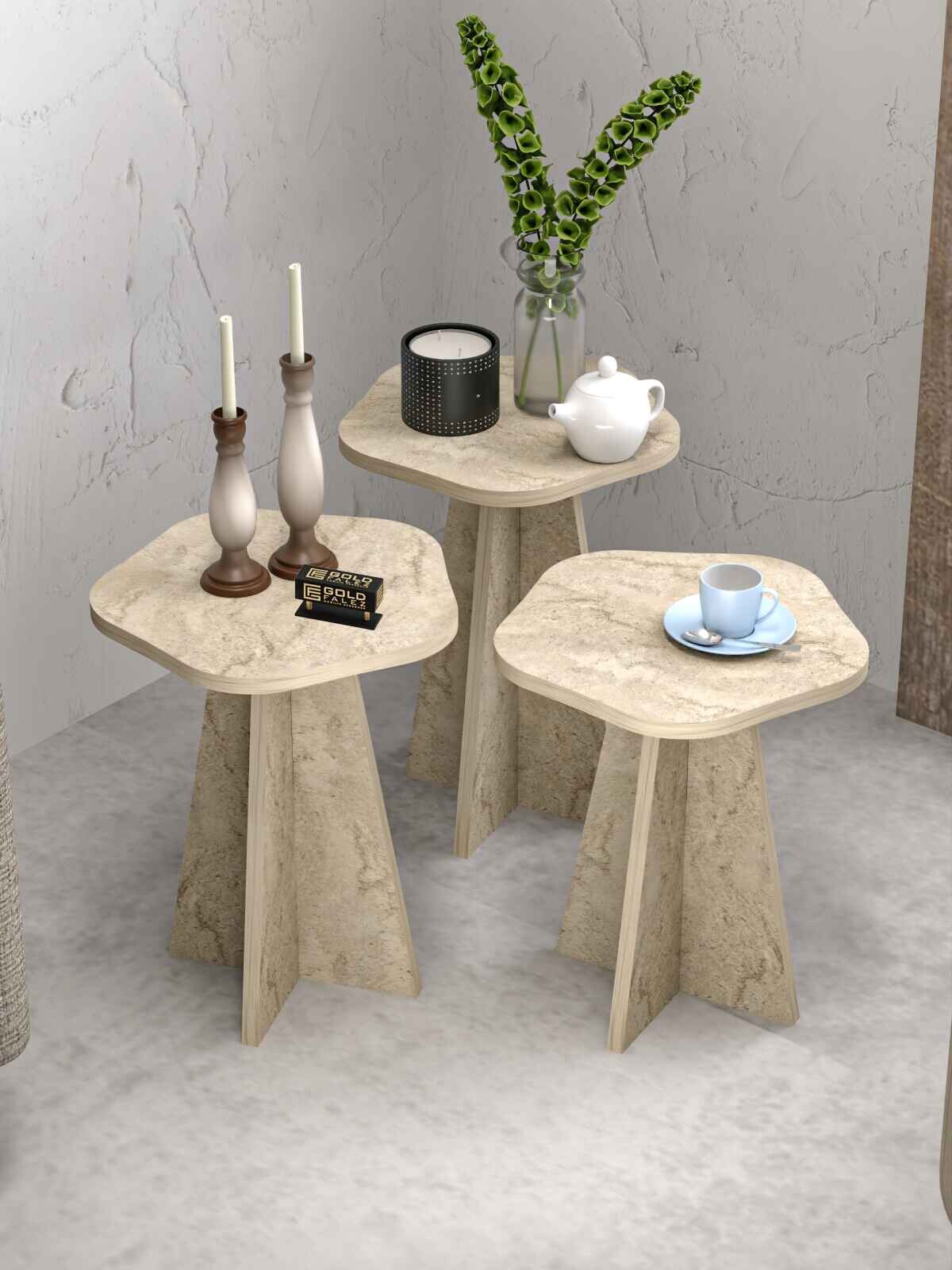
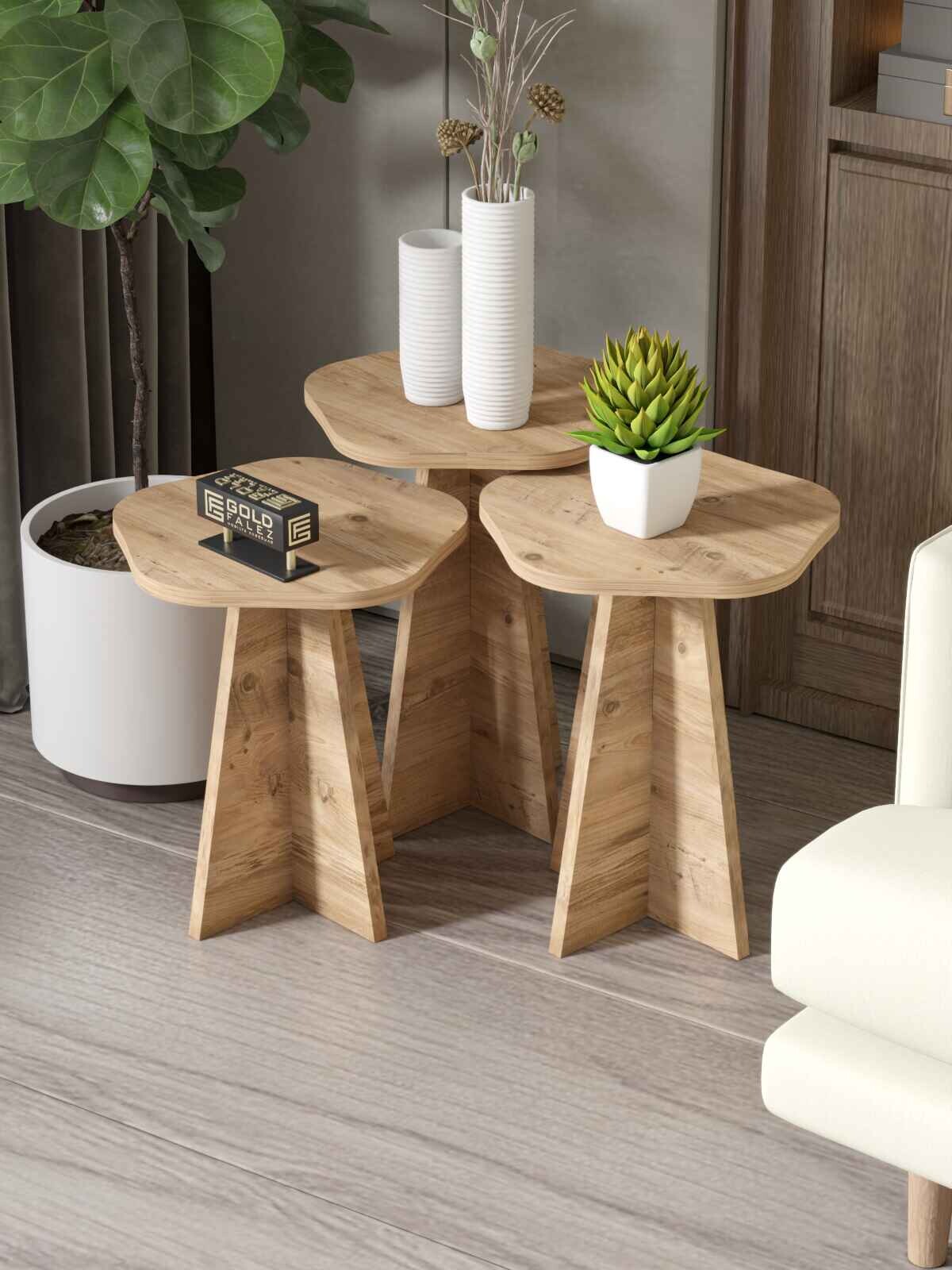
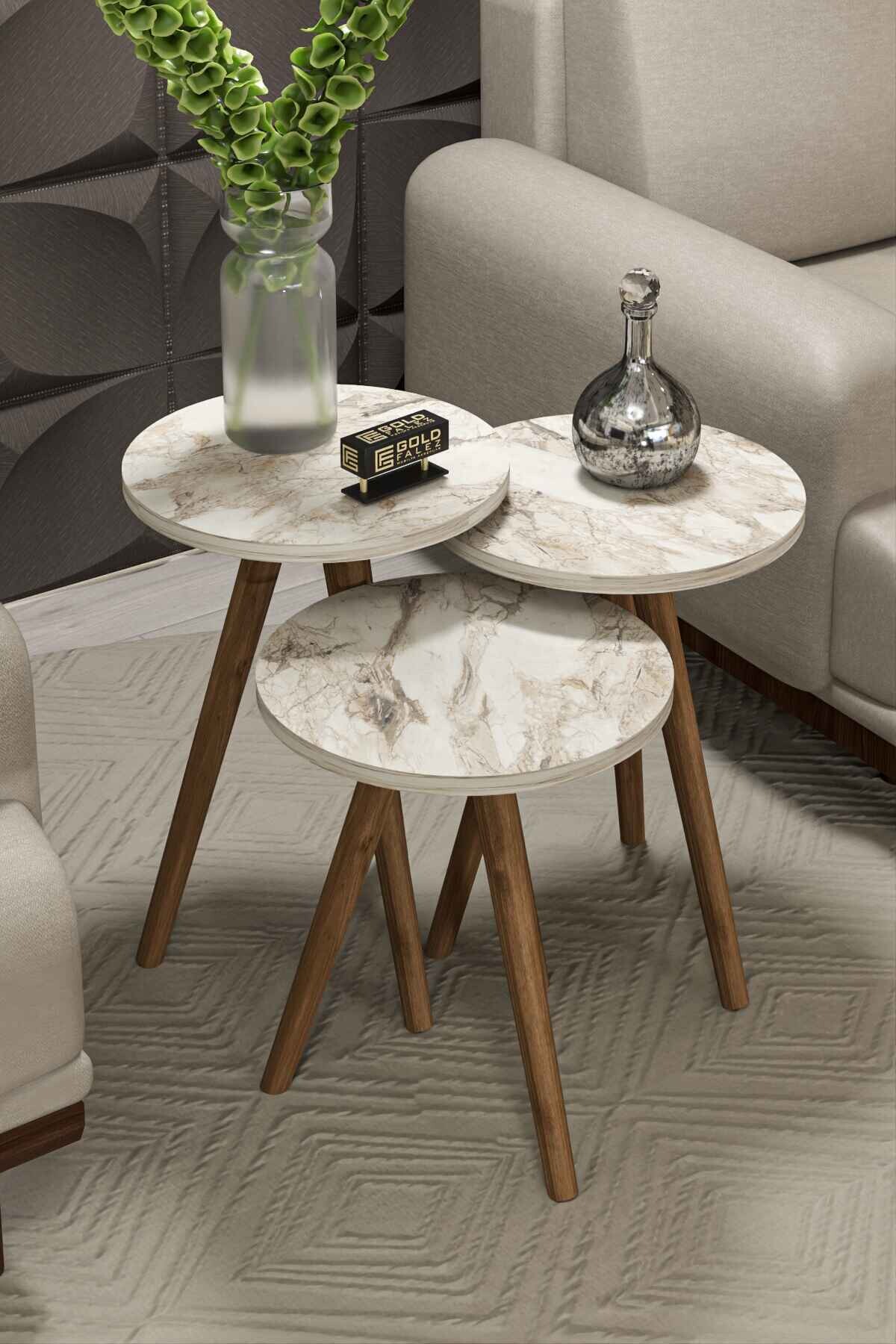
The Gold Side Table is designed with these standard proportions in mind. Standing at approximately 55 cm, it aligns perfectly with the majority of contemporary upholstered furniture. This height allows a person to comfortably set down a drink or pick up a remote without significant body movement, maintaining the relaxation that a good seating area is meant to provide.

Width and Depth Proportions

While height is about reach, width and depth are about balance. A tiny table next to a massive sectional sofa will look lost and insignificant. Conversely, a large, bulky table next to a delicate slipper chair will feel overwhelming. A good guideline is that the side table should be about one-third to one-half the length of the sofa it is sitting next to, if you are using it on the side.

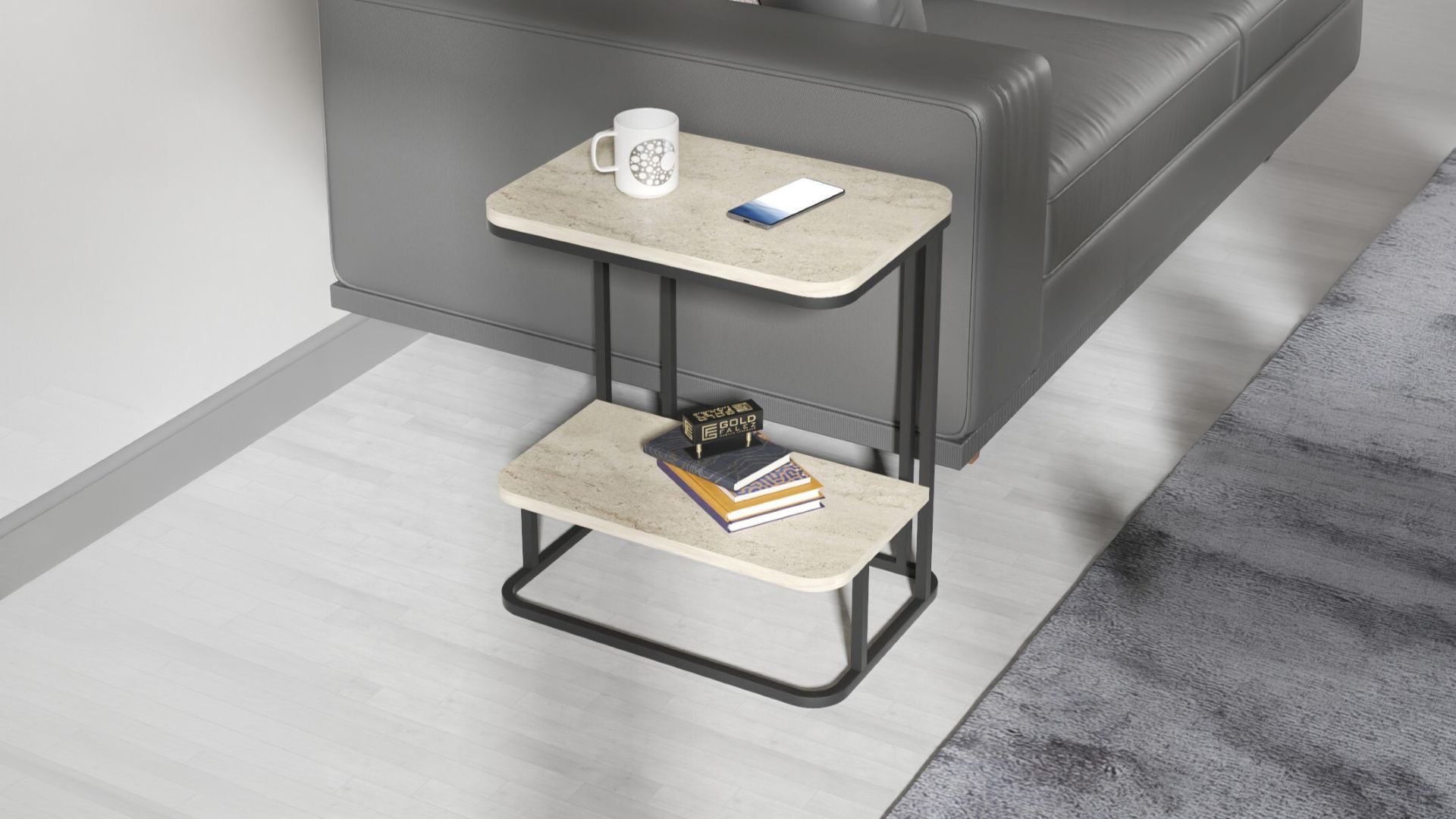
For those who need a table that serves a specific purpose, such as working from the couch, the Multipurpose Laptop Stand offers a unique set of dimensions. Its surface area is optimized for a laptop or tablet, making it slightly wider than a purely decorative accent table. When choosing a piece like this, ensure you have enough floor clearance for its base to slide under the sofa if it is a "C" frame design.

Scaling for the Room

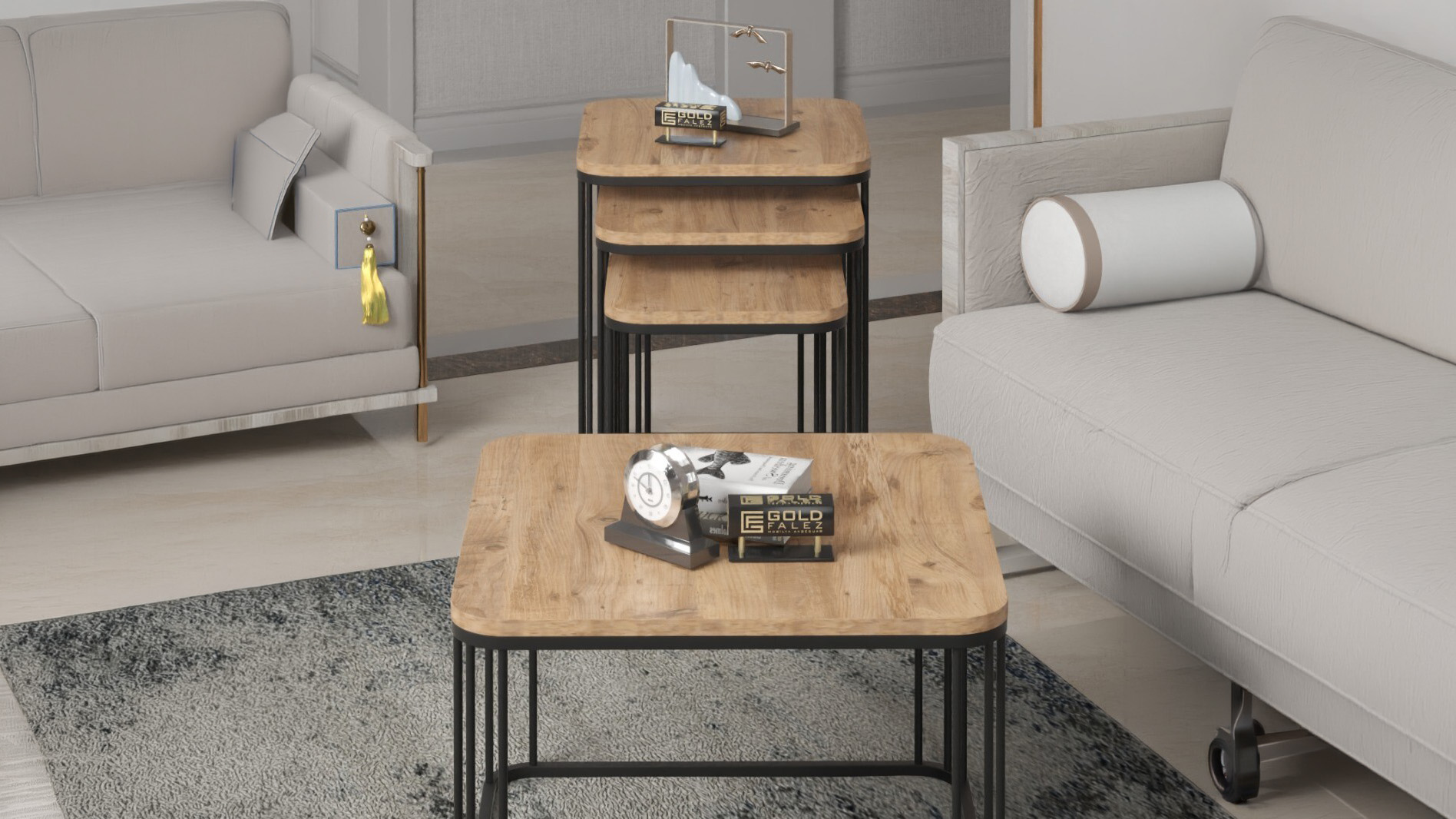
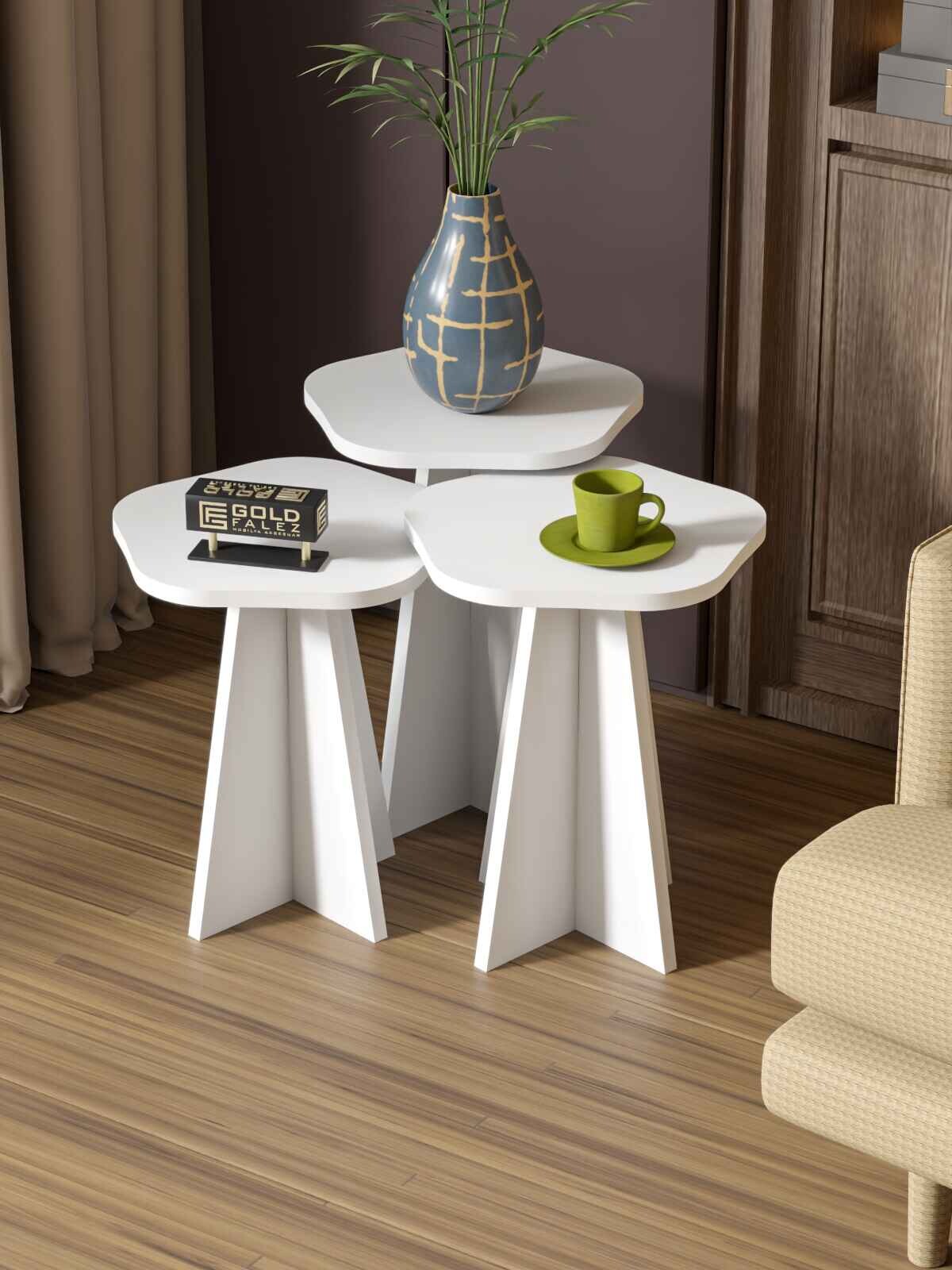
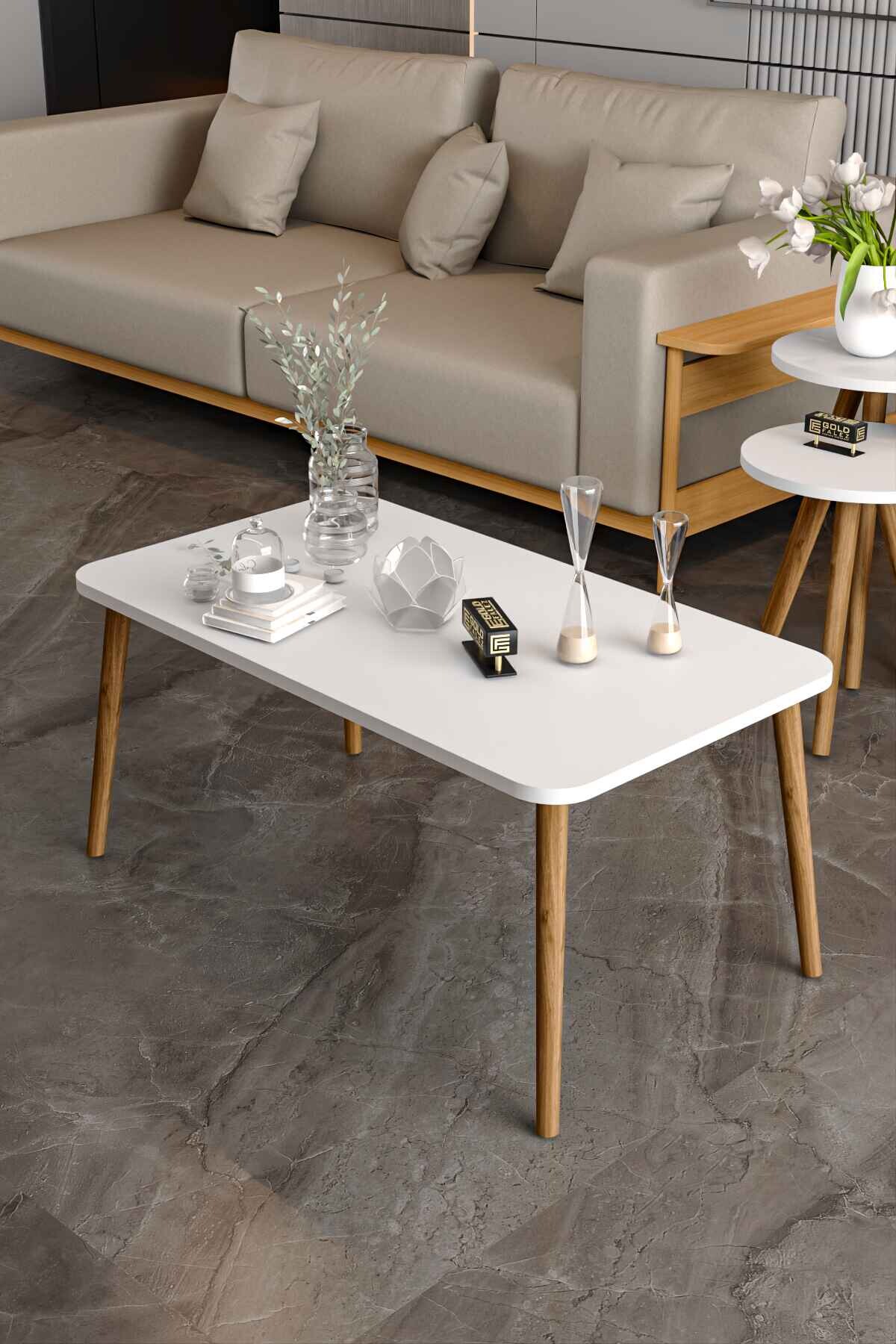
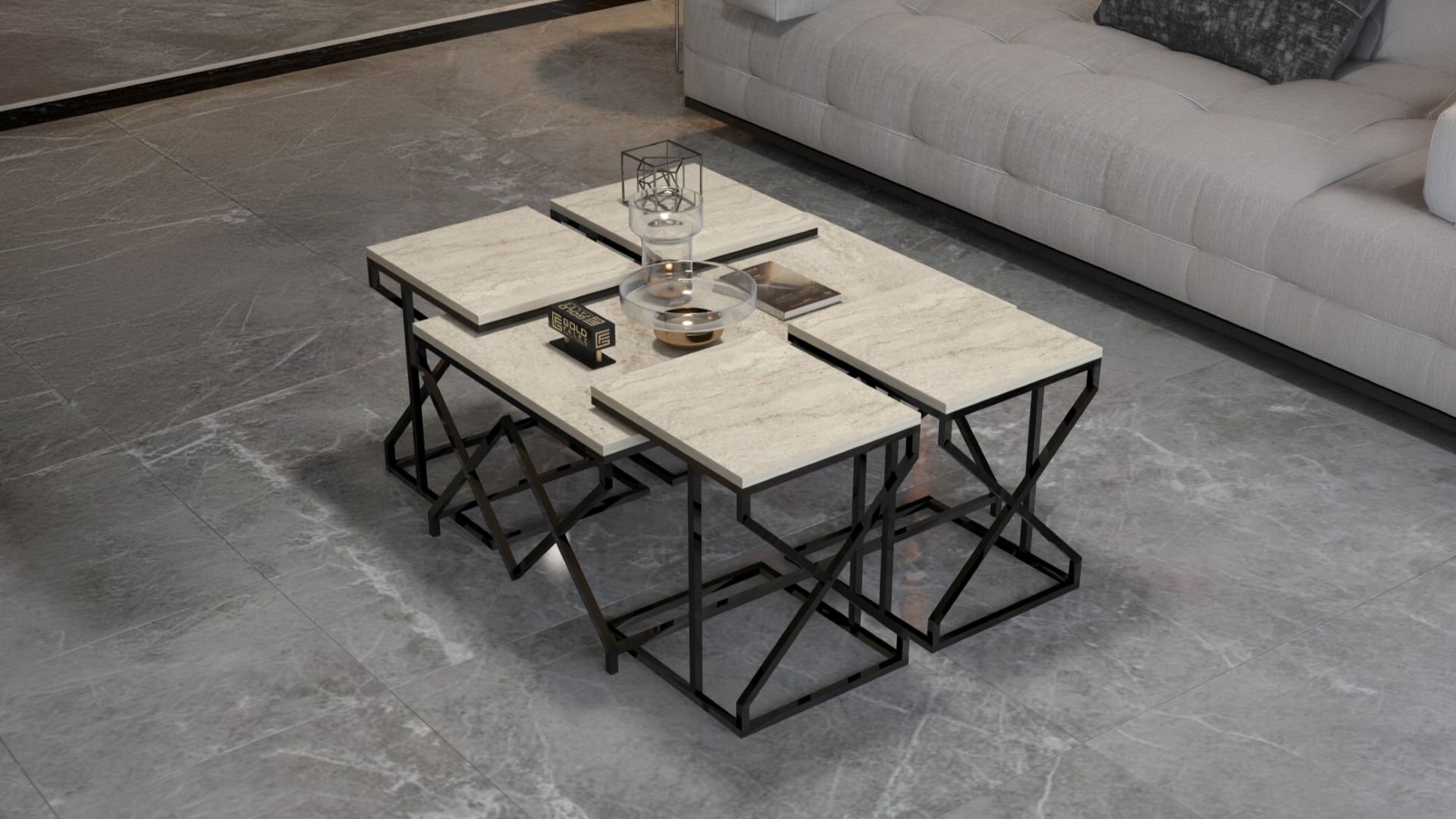
In a large, open-concept living room, you can afford to have wider side tables that act as anchors for the space. In a compact apartment, however, every inch counts. This is where sets can be incredibly useful. The Decorative Double Double Side Table Rectangle provides two surfaces that can be nested to save space or spread out when you have guests. This flexibility allows you to adjust the "size" of your furniture based on your immediate needs.

Visual Weight and Material Impact

Dimensions are not just about inches; they are also about visual weight. A glass and metal table occupies less visual space than a solid wooden block of the same dimensions. If you are worried about a room feeling cluttered, choose pieces with thin frames and open bases.

Goldfalez specializes in using materials like particleboard and metal to create pieces that feel substantial but not heavy. The use of metal frames provides structural integrity with a minimal footprint, allowing the eye to see through and under the furniture, which creates an illusion of a larger room.

Frequently Asked Questions

Should a side table be higher or lower than the sofa arm?

It should be equal to or slightly lower (within 1-2 inches) than the arm. Never choose a table that is significantly higher than the sofa arm, as it creates an awkward visual line and can be dangerous if you bump into it while sitting.

How much space should be between the sofa and the side table?

Leave approximately 2 to 3 inches (5 to 7 cm) of space between the sofa arm and the side table. This "breathing room" prevents the furniture from looking crammed together and allows for slight movements of the sofa fabric.

Can I use different heights of side tables in the same room?

Absolutely. Using varied heights can add visual interest. However, try to keep the tables paired with specific seats at the correct height for those seats. Symmetry is not required for a beautiful room, but functional ergonomics are.

Conclusion

Selecting the right size for your side table is a blend of practical ergonomics and aesthetic scaling. By measuring your sofa arm height and considering the overall floor space available, you can choose a piece that enhances your room's flow. Remember that the best table is one that you don't have to think about using—it is simply there, at the right height and within easy reach.

Frequently Asked Questions

Should a side table be higher or lower than the sofa arm?

It should be equal to or slightly lower (within 1-2 inches) than the arm. Never choose a table that is significantly higher than the sofa arm, as it creates an awkward visual line and can be dangerous if you bump into it while sitting.

How much space should be between the sofa and the side table?

Leave approximately 2 to 3 inches (5 to 7 cm) of space between the sofa arm and the side table. This "breathing room" prevents the furniture from looking crammed together and allows for slight movements of the sofa fabric.

Can I use different heights of side tables in the same room?

Absolutely. Using varied heights can add visual interest. However, try to keep the tables paired with specific seats at the correct height for those seats. Symmetry is not required for a beautiful room, but functional ergonomics are.

Related Articles