Kids' Study Desk Guide: Choosing the Best for Growth
As children grow, their needs change from floor-based play to desk-based learning. Providing a child with their first "real" desk is a significant milestone; it's a signal that their education and their personal projects are valued members of the household. However, choosing a desk for a child or teenager requires a different set of criteria than choosing one for an adult. You need to consider safety, durability, and—most importantly—how the desk will adapt to their rapidly changing needs.
Safety and Durability First
Children are not always gentle with their furniture. A kids' desk needs to withstand spilled juice, heavy backpacks, and the occasional artistic "enhancement" with crayons. This is where high-quality materials like Suntalam and Particleboard excel. They are much harder to scratch or dent than soft solid woods like pine, and their smooth surfaces are easy to wipe clean.
Safety is equally paramount. At Goldfalez, we ensure our desks are engineered with stability in mind, preventing tipping even when loaded with heavy books. Our materials meet strict international safety standards, ensuring that the air in your child's bedroom remains clean and free of harmful chemicals.
The Importance of Storage for Young Learners
For a child, the "work" of school involves a lot of physical tools: art supplies, notebooks, textbooks, and eventually, a computer. If a desk doesn't have built-in storage, these items will inevitably end up on the floor.
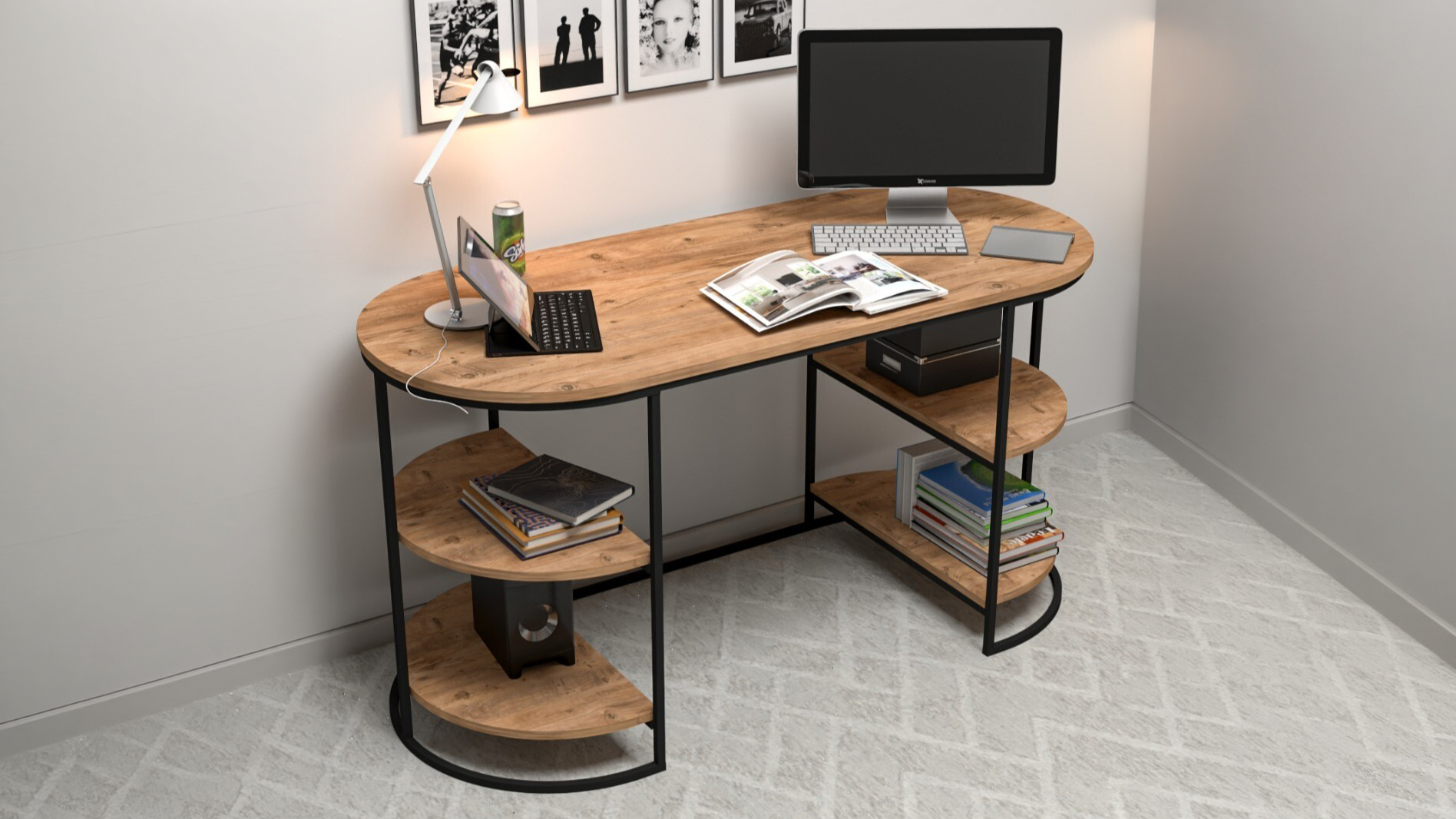
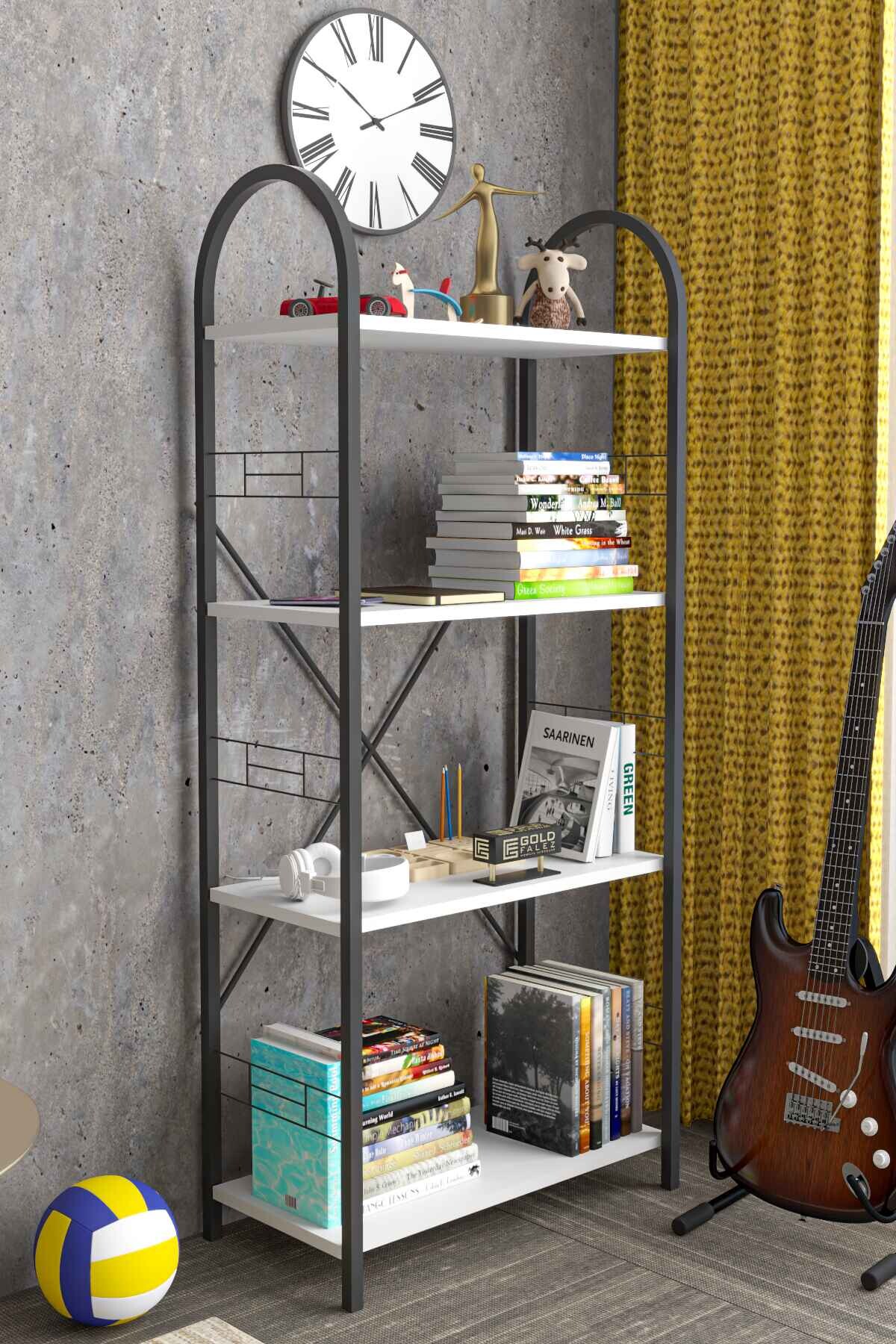
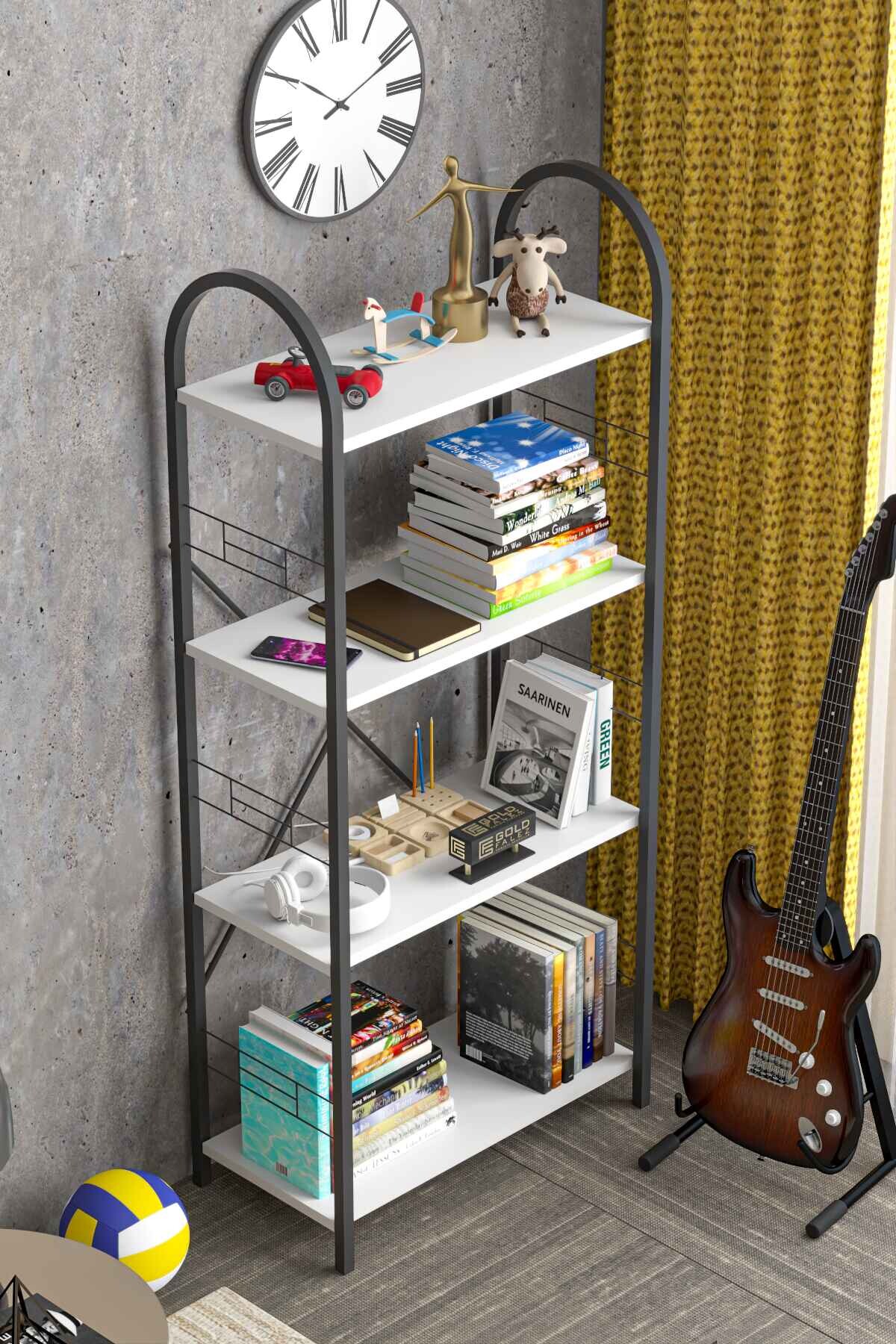
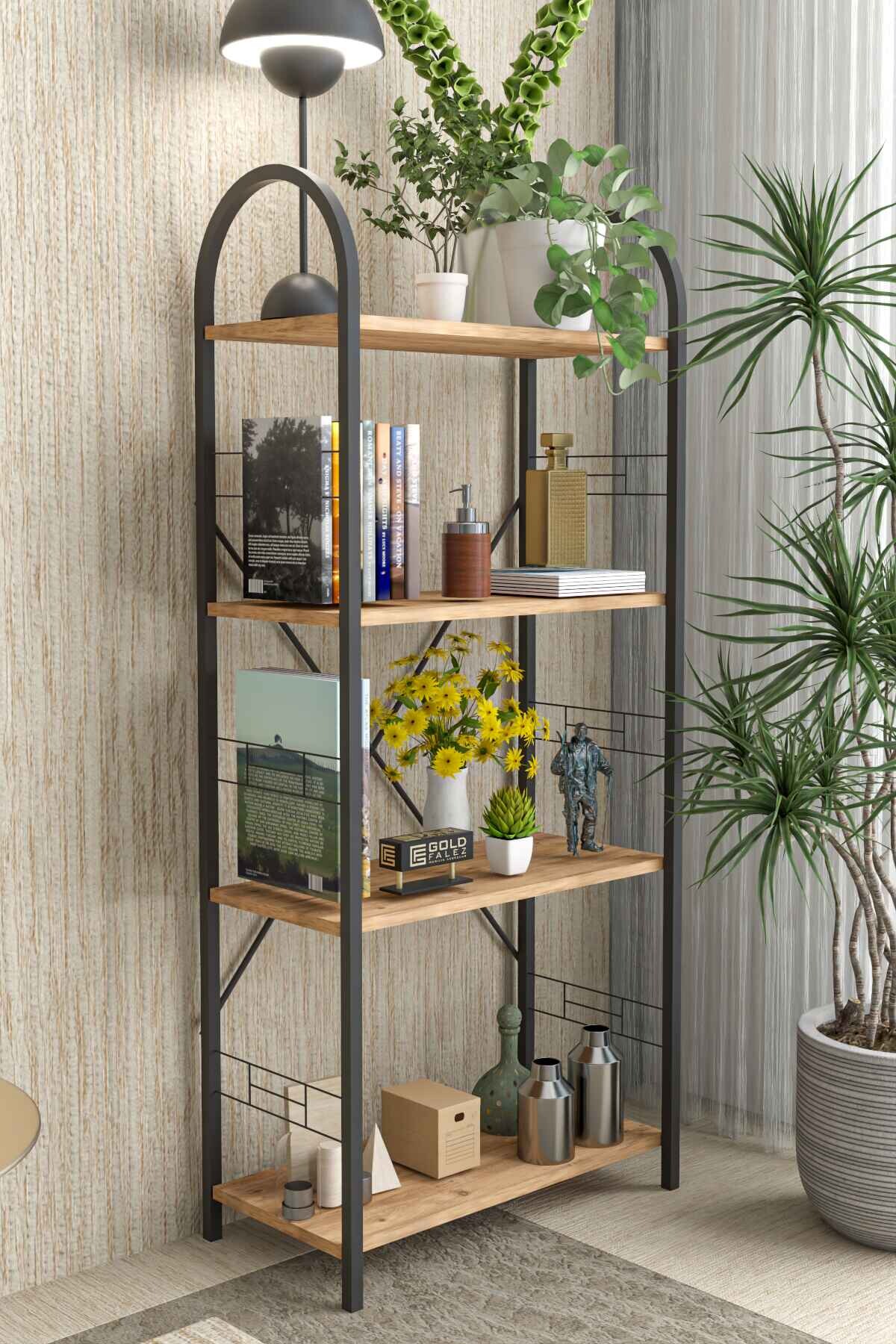
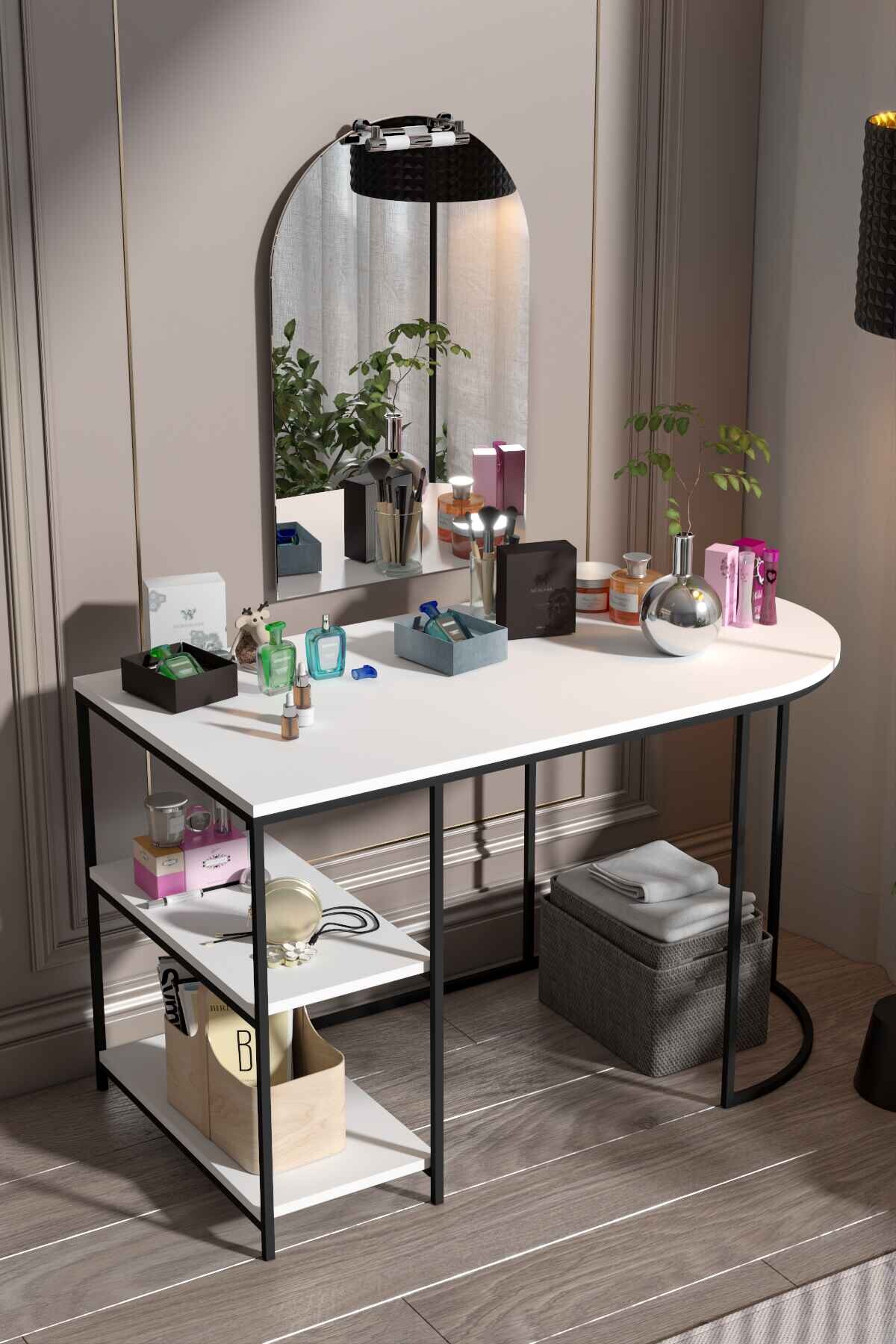
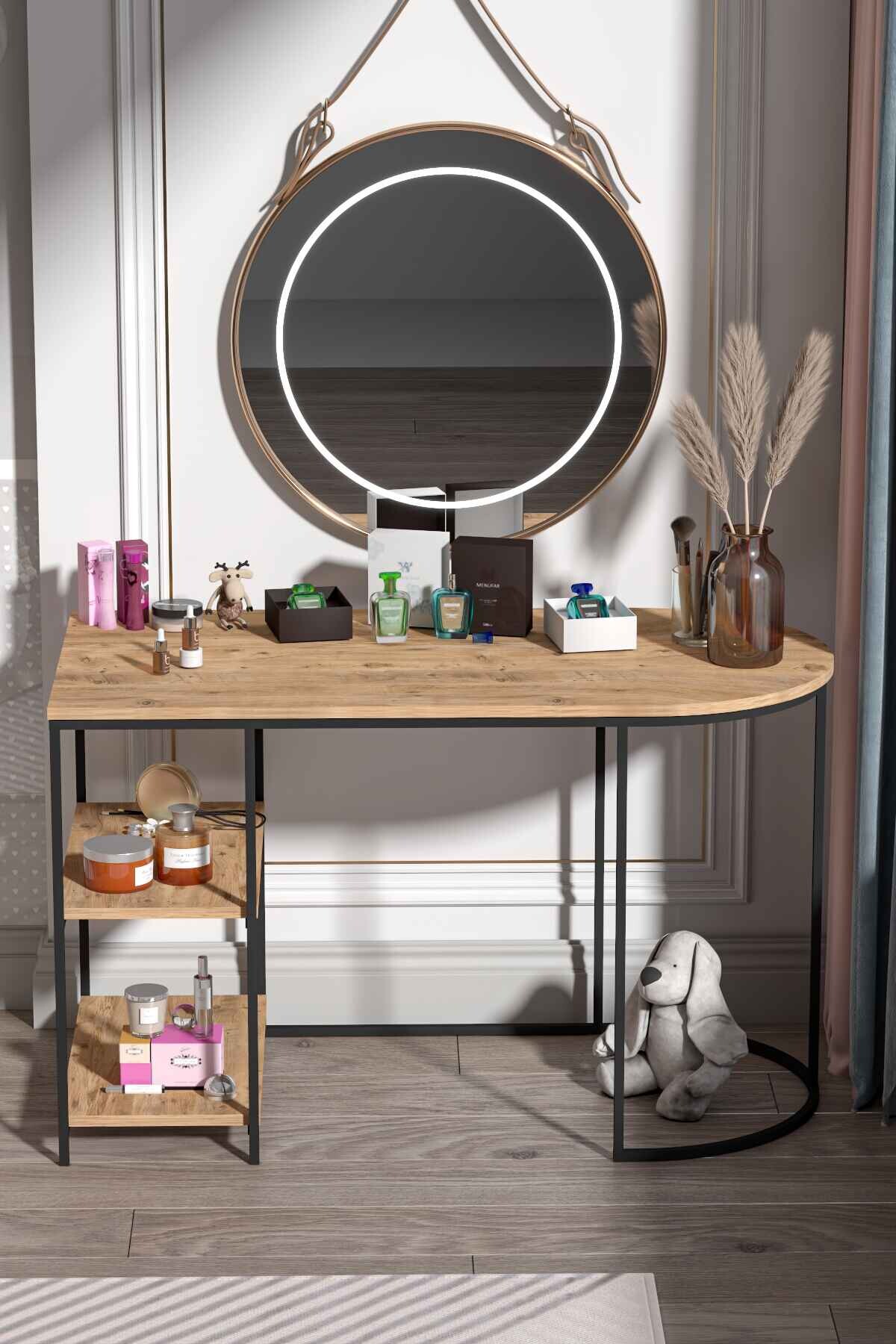
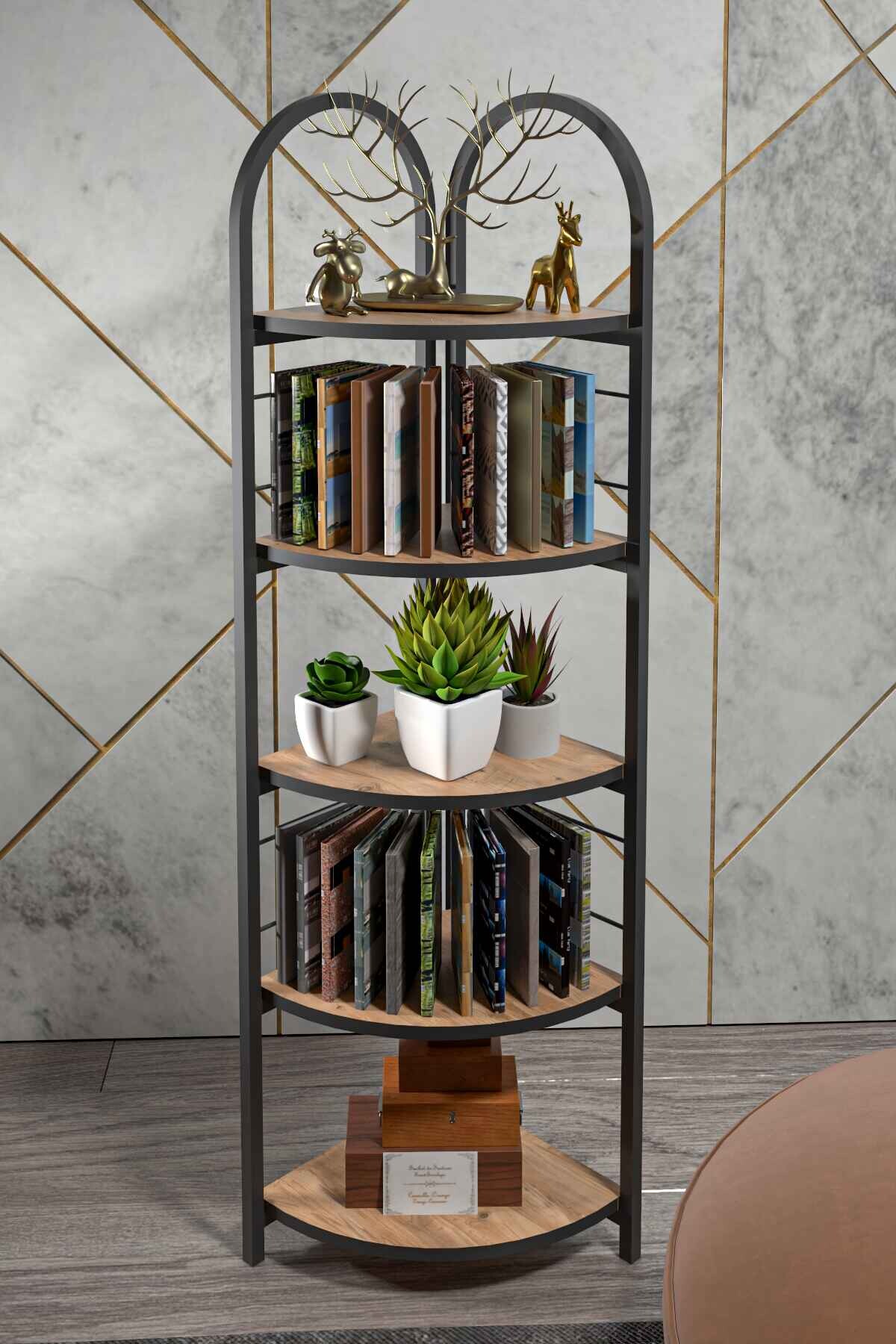
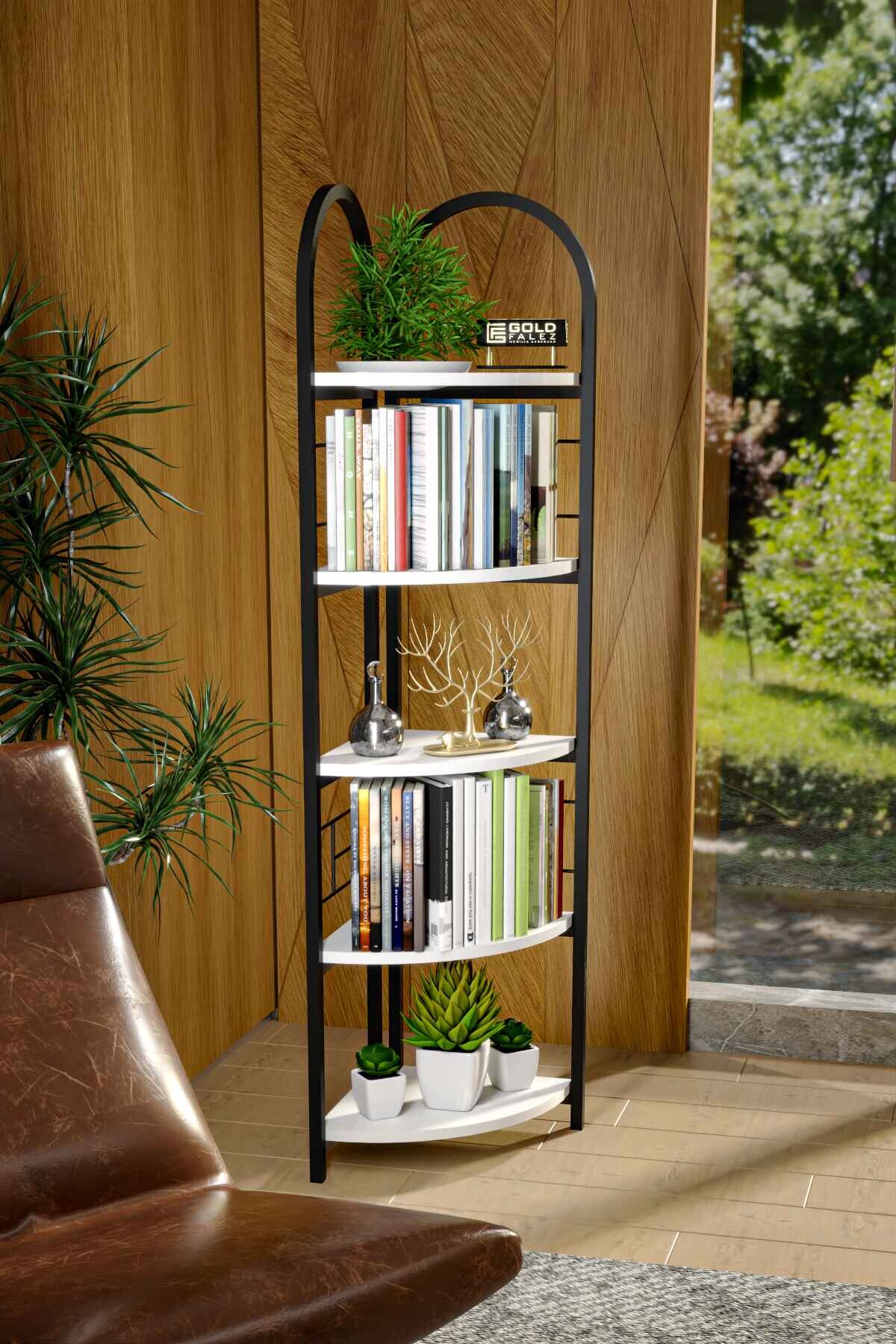
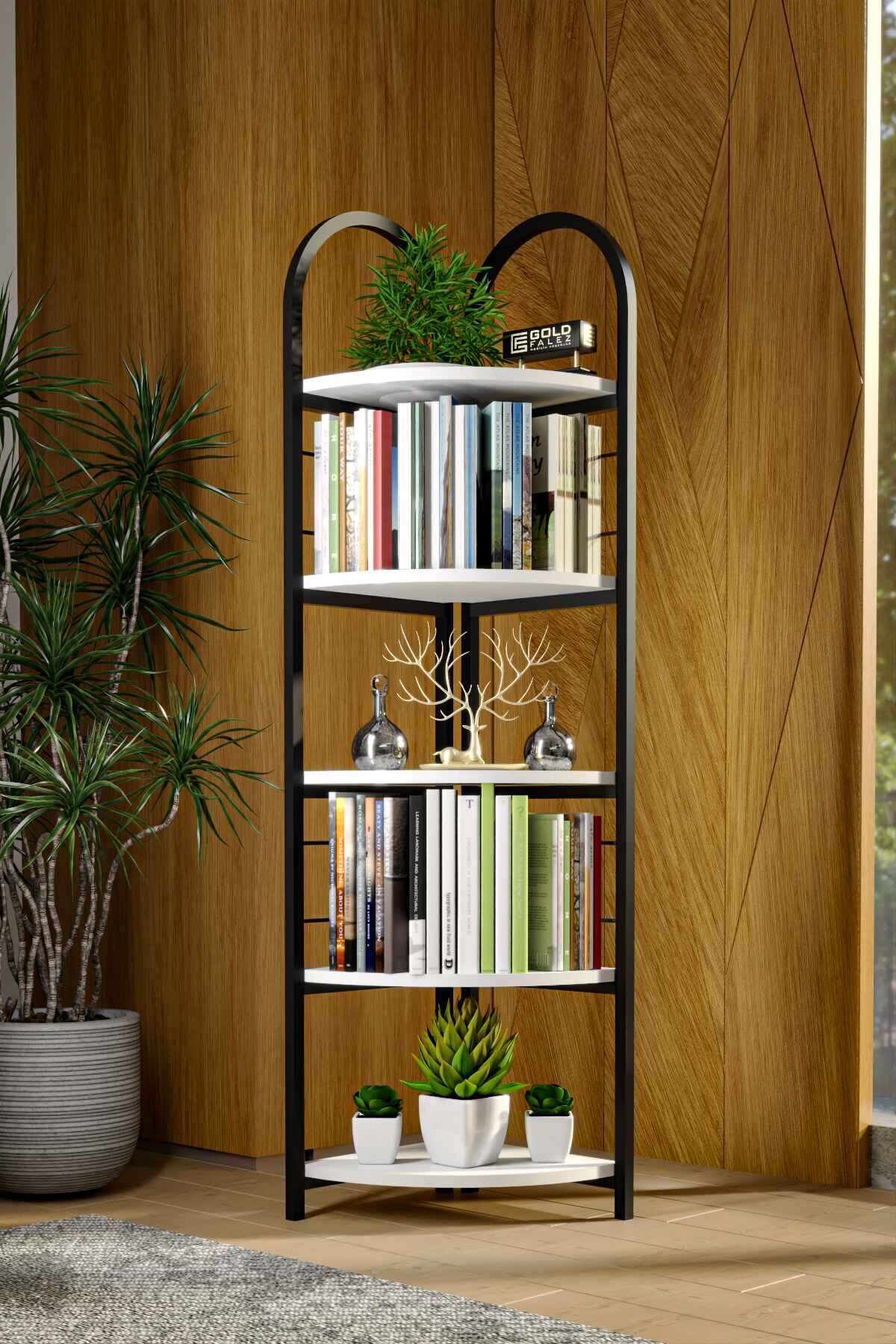
A desk like the Five Shelves Bookshelf Desk is a fantastic choice for a child's room. It provides a vertical space where they can display their favorite books and toys alongside their schoolwork. This teaches them early organization skills—learning that everything has a home. As they get older, those same shelves will transition from holding stuffed animals to holding advanced textbooks and reference materials.
Ergonomics for Growing Bodies
Proper posture isn't just for adults; it is critical for children whose bones and muscles are still developing. A desk that is too high will cause a child to "climb" into their work, straining their neck. A desk that is too low will lead to permanent slouching.
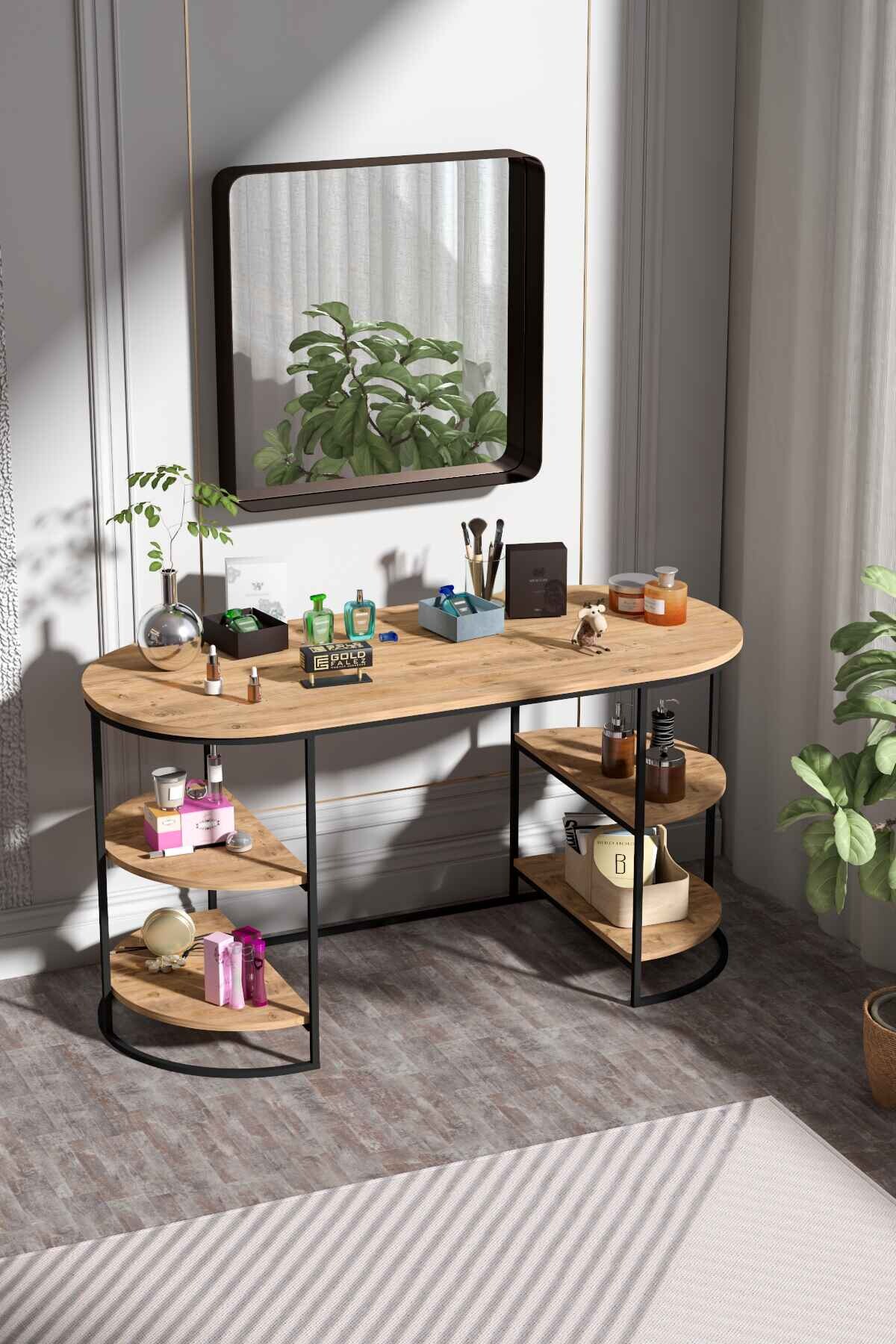
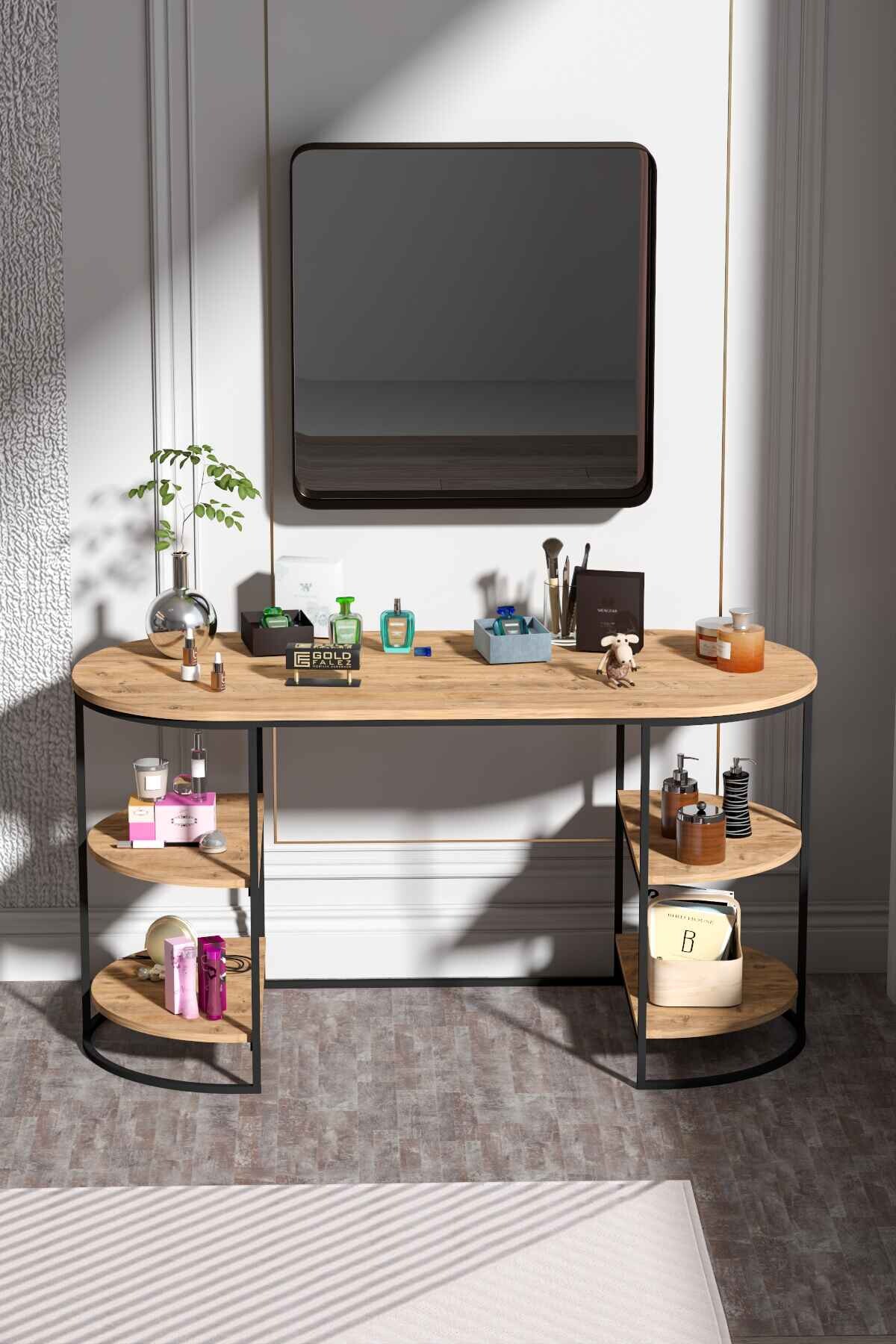
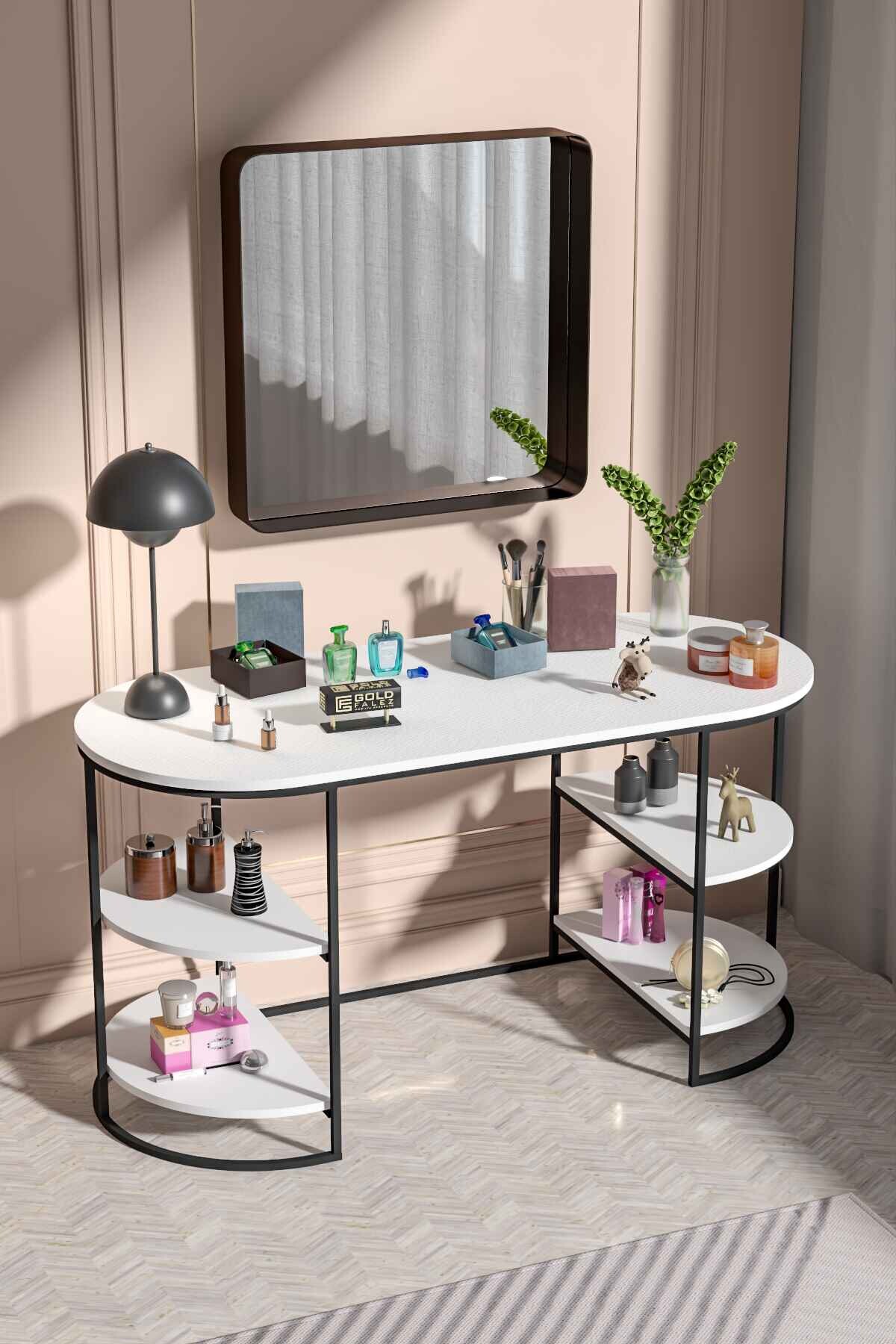
While most study desks are built to a standard height, you can make them age-appropriate by choosing the right chair. For younger children, an adjustable-height chair is essential to ensure their feet are supported and their arms are at the correct level for the desk surface. A simple, sturdy design like the Computer Working Desk works well across multiple age groups because its clean design doesn't feel "too childish" as they enter their teenage years.
Creating a Zone of Concentration
In a house full of distractions, a dedicated study desk serves as a "focus anchor." Encourage your child to personalize their space. The Study Desk Bookcase offers plenty of room for a laptop and a separate area for physical writing. By having a designated spot for homework, the child develops a psychological association between sitting at that desk and getting their work done, which helps reduce the "homework battles" many parents face.
Frequently Asked Questions
At what age should a child get their first desk?
Most children benefit from a dedicated desk around the age of 6 or 7, coinciding with the start of primary school. Having a place to practice writing and reading outside of the classroom helps reinforce the importance of learning.
How do I keep a child's desk organized?
The secret is "low-effort" storage. Use bins and baskets on the desk's shelves. It's much easier for a child to throw their markers into a basket than it is to put them back into a small box. Built-in shelving, like that found on Goldfalez desks, provides the structure they need to succeed.
Should I put a computer on a child's study desk?
In the modern world, a computer is a necessary tool for education. However, the desk should be large enough that the computer doesn't take up the entire surface. Ensure there is still room for "analog" work like drawing and handwriting. A desk with a width of at least 80-100 cm is usually ideal for this hybrid use.
Conclusion
A study desk is one of the most important investments you can make in your child's future. It is a place where they will discover their passions, master new skills, and prepare for the challenges of adulthood. By choosing a desk that combines Turkish craftsmanship, durable materials, and smart storage, you are providing them with the perfect foundation for success. Explore our collection of kid-friendly study desks today.
Frequently Asked Questions
At what age should a child get their first desk?
Most children benefit from a dedicated desk around the age of 6 or 7, coinciding with the start of primary school. Having a place to practice writing and reading outside of the classroom helps reinforce the importance of learning.
How do I keep a child's desk organized?
The secret is "low-effort" storage. Use bins and baskets on the desk's shelves. It's much easier for a child to throw their markers into a basket than it is to put them back into a small box. Built-in shelving, like that found on Goldfalez desks, provides the structure they need to succeed.
Should I put a computer on a child's study desk?
In the modern world, a computer is a necessary tool for education. However, the desk should be large enough that the computer doesn't take up the entire surface. Ensure there is still room for "analog" work like drawing and handwriting. A desk with a width of at least 80-100 cm is usually ideal for this hybrid use.