Choosing the Perfect Home Office Desk: A Complete Guide
Creating a dedicated workspace at home has shifted from a luxury to a necessity for millions of professionals and students worldwide. The centerpiece of this environment is, without question, the desk. A well-chosen desk does more than just hold your computer; it defines your workflow, supports your physical health, and influences your daily productivity levels. When you begin the journey of selecting the right furniture, you are not just buying a piece of wood and metal; you are investing in your professional future.
Understanding Your Workflow Requirements
Before diving into styles and colors, you must perform a self-assessment of how you actually work. Do you spend eight hours a day typing on a laptop, or do you require space for physical documents, sketches, and multiple monitors? The nature of your tasks dictates the surface area and storage needs of your new desk.
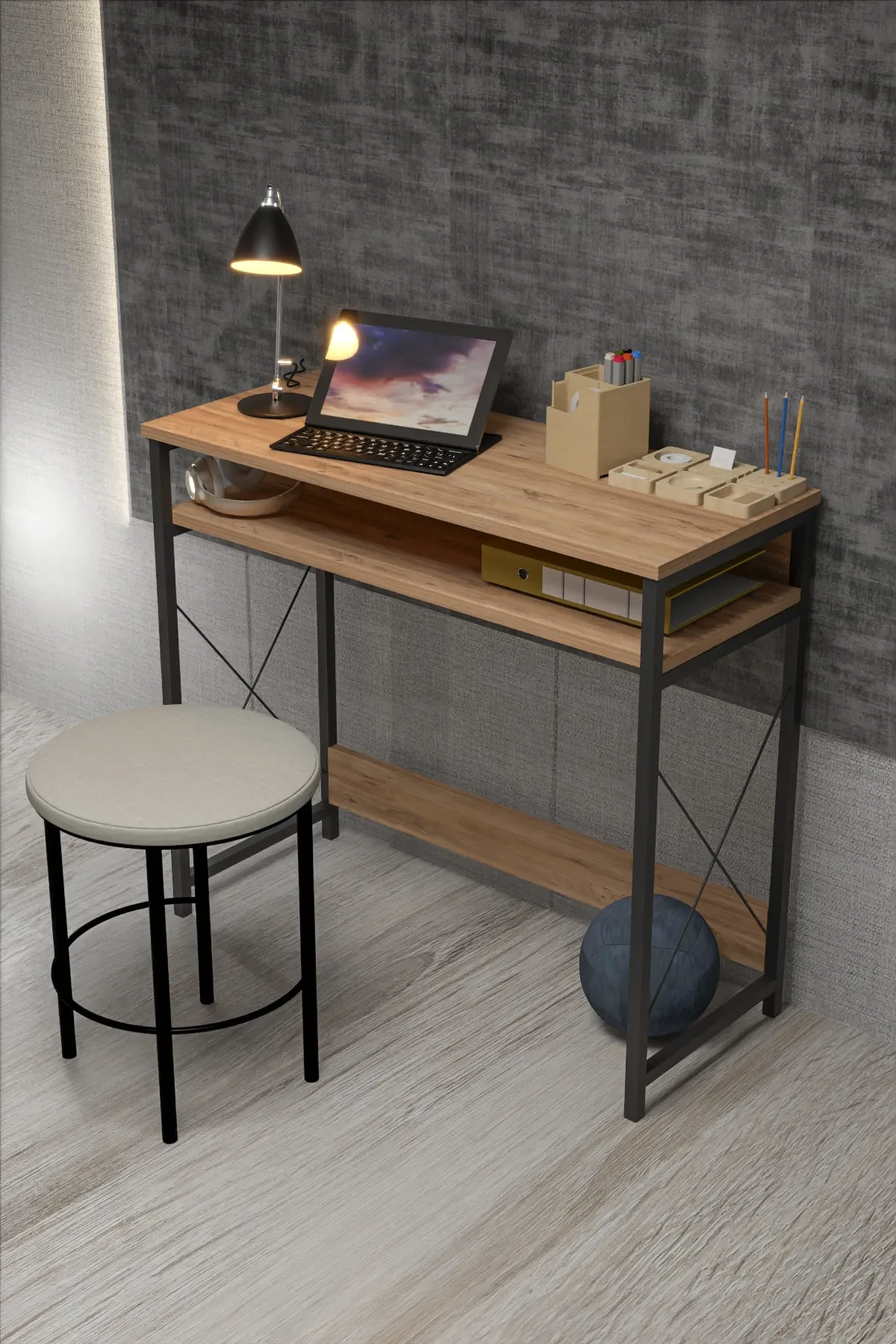
For many, the standard setup involves a desktop computer or a laptop with a secondary screen. In these cases, depth is crucial. You want enough space to keep your monitor at a comfortable viewing distance while having room for a keyboard and mouse. The Computer Working Desk is designed specifically for these modern digital needs, offering a streamlined surface that fits into most rooms without overwhelming the space.
Desktop vs. Laptop Needs
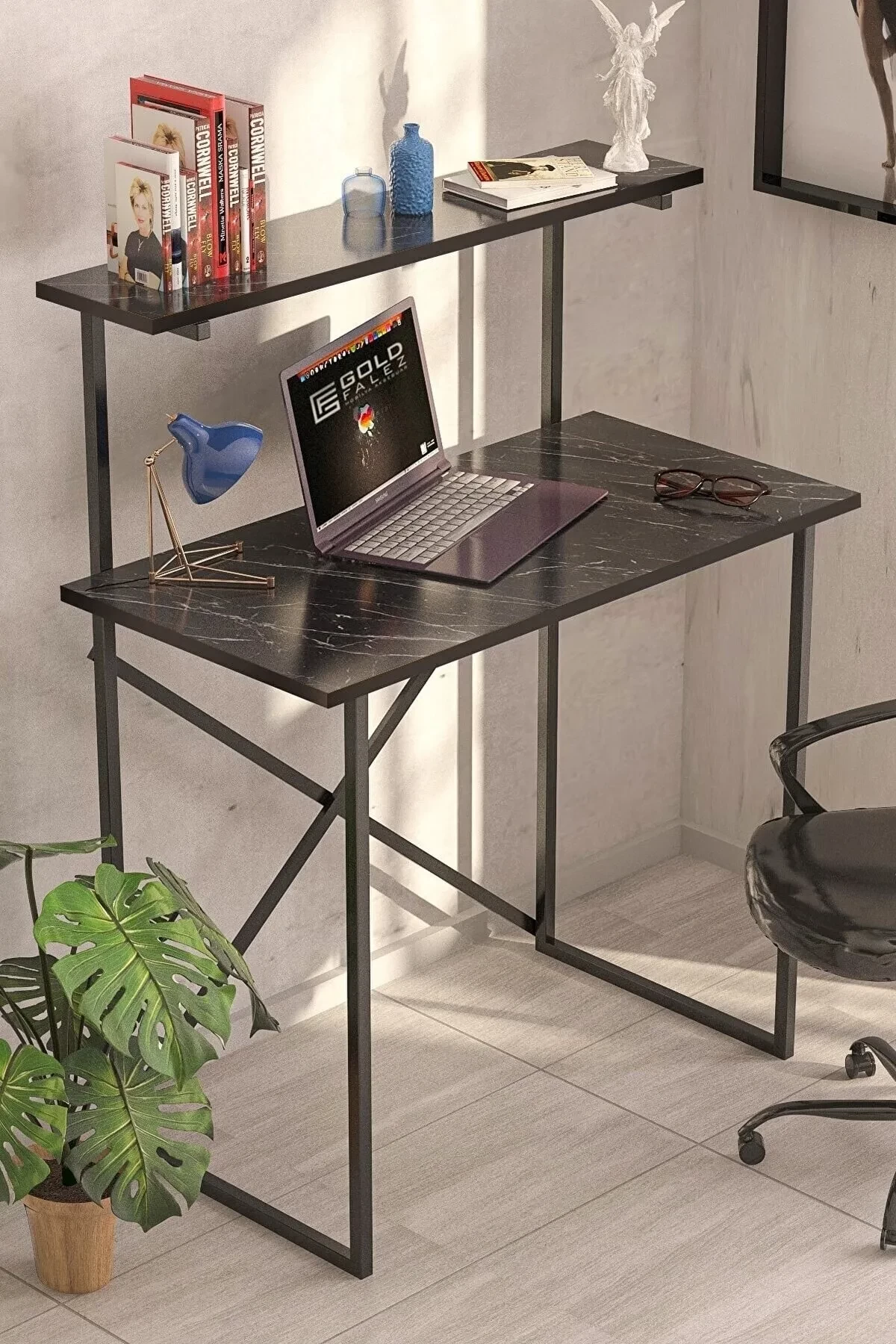
If you are a heavy desktop user, you might need a desk with specific cable management or a lower shelf for a CPU tower. Conversely, laptop users can often get away with smaller footprints, but they still benefit from a stable, permanent location. If your work involves a lot of reading and reference materials, look for options that integrate shelving. The Study Desk Bookcase is an excellent hybrid solution, providing a generous working area alongside vertical storage for binders, textbooks, or decorative elements that inspire your work.
Space Optimization and Room Layout
Not everyone has a spare room to convert into a full executive suite. Most home offices are carved out of bedrooms, living rooms, or even large hallways. Measuring your available space is the most critical technical step. Remember to account not just for the desk itself, but for the "chair zone"—the space needed to pull out your chair and sit comfortably without hitting walls or other furniture.
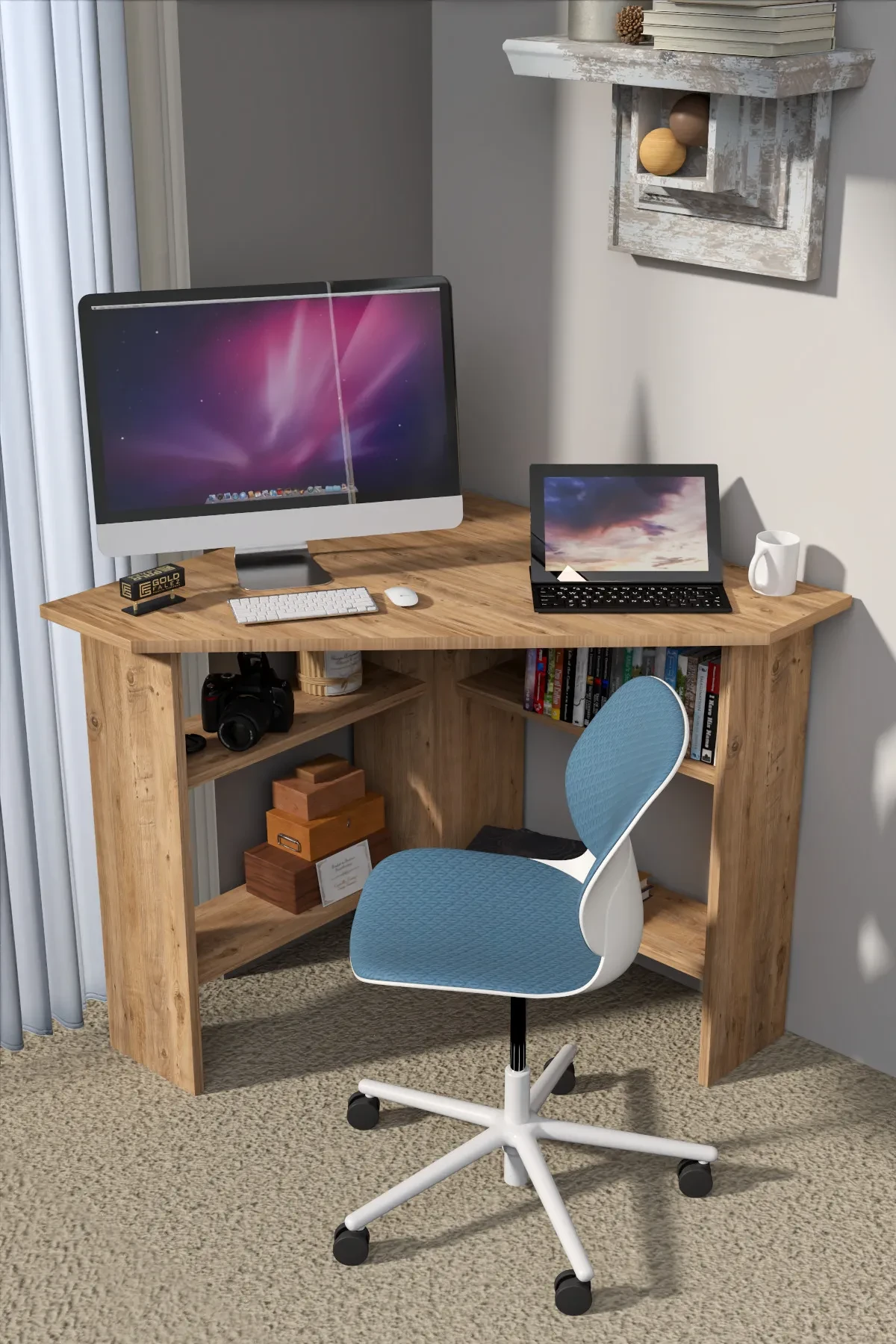
If you are dealing with a tight corner or a multi-functional room, you should consider specialized shapes. An L-shaped or corner arrangement can turn an underutilized nook into a powerhouse of productivity. The Corner Study Desk maximizes floor plan efficiency by utilizing the perimeter of the room, leaving the central floor area open and airy.
The Importance of Height and Depth
Standard desk heights typically range between 72 cm and 76 cm. This range accommodates most adults when paired with an adjustable chair. However, depth is where many people make mistakes. A desk that is too shallow (less than 50 cm) may feel cramped once you place a monitor on it. A depth of 60 cm to 80 cm is usually ideal for home use, allowing for arm support while typing.
Materials and Durability: What to Look For
Since your desk will face daily use, spills, and the weight of equipment, the material choice is paramount. High-quality furniture manufacturers often use engineered woods like particleboard or Suntalam (melamine-faced chipboard) because they offer a perfect balance of durability, weight, and aesthetic versatility. These materials are resistant to warping—a common issue with solid wood in humid environments—and are much easier to clean and maintain.
When evaluating a desk, check the thickness of the panels. Thicker panels generally indicate a higher load-bearing capacity and greater structural integrity. At Goldfalez, we prioritize these engineering details to ensure our Turkish-crafted furniture stands the test of time in homes across 40 different countries.
Frequently Asked Questions
What is the ideal height for a home office desk?
The industry standard for a fixed-height desk is approximately 73 to 75 cm (about 29 to 30 inches). This height works for the vast majority of people when combined with a standard office chair. The key is ensuring that when you sit, your elbows are at a 90-degree angle and your feet are flat on the floor.
How much weight can a standard particleboard desk hold?
Most well-constructed particleboard or Suntalam desks can safely hold between 30 kg and 50 kg of distributed weight. This is more than enough for a dual-monitor setup, a printer, and various office supplies. Always ensure that heavy items are placed near the legs or supported vertical panels rather than in the very center of a long, unsupported span.
How do I maintain my desk's surface?
Modern melamine surfaces are very resilient. To keep them looking new, simply wipe them with a damp microfiber cloth and a mild detergent if necessary. Avoid using abrasive sponges or harsh chemical cleaners, as these can dull the finish over time. Always use a coaster for drinks to prevent potential moisture rings.
Conclusion
Choosing the right desk is a balance of ergonomics, aesthetics, and spatial constraints. Whether you need a compact solution for a studio apartment or a comprehensive workstation with integrated storage, understanding your specific needs is the first step toward a more productive home life. Take the time to measure your space, consider your equipment, and choose a design that complements your personal style. Ready to upgrade your workspace? Explore our full range of desks to find the foundation of your success.
Frequently Asked Questions
What is the ideal height for a home office desk?
The industry standard for a fixed-height desk is approximately 73 to 75 cm (about 29 to 30 inches). This height works for the vast majority of people when combined with a standard office chair. The key is ensuring that when you sit, your elbows are at a 90-degree angle and your feet are flat on the floor.
How much weight can a standard particleboard desk hold?
Most well-constructed particleboard or Suntalam desks can safely hold between 30 kg and 50 kg of distributed weight. This is more than enough for a dual-monitor setup, a printer, and various office supplies. Always ensure that heavy items are placed near the legs or supported vertical panels rather than in the very center of a long, unsupported span.
How do I maintain my desk's surface?
Modern melamine surfaces are very resilient. To keep them looking new, simply wipe them with a damp microfiber cloth and a mild detergent if necessary. Avoid using abrasive sponges or harsh chemical cleaners, as these can dull the finish over time. Always use a coaster for drinks to prevent potential moisture rings.