Ultimate Guide to Choosing a Center Coffee Table
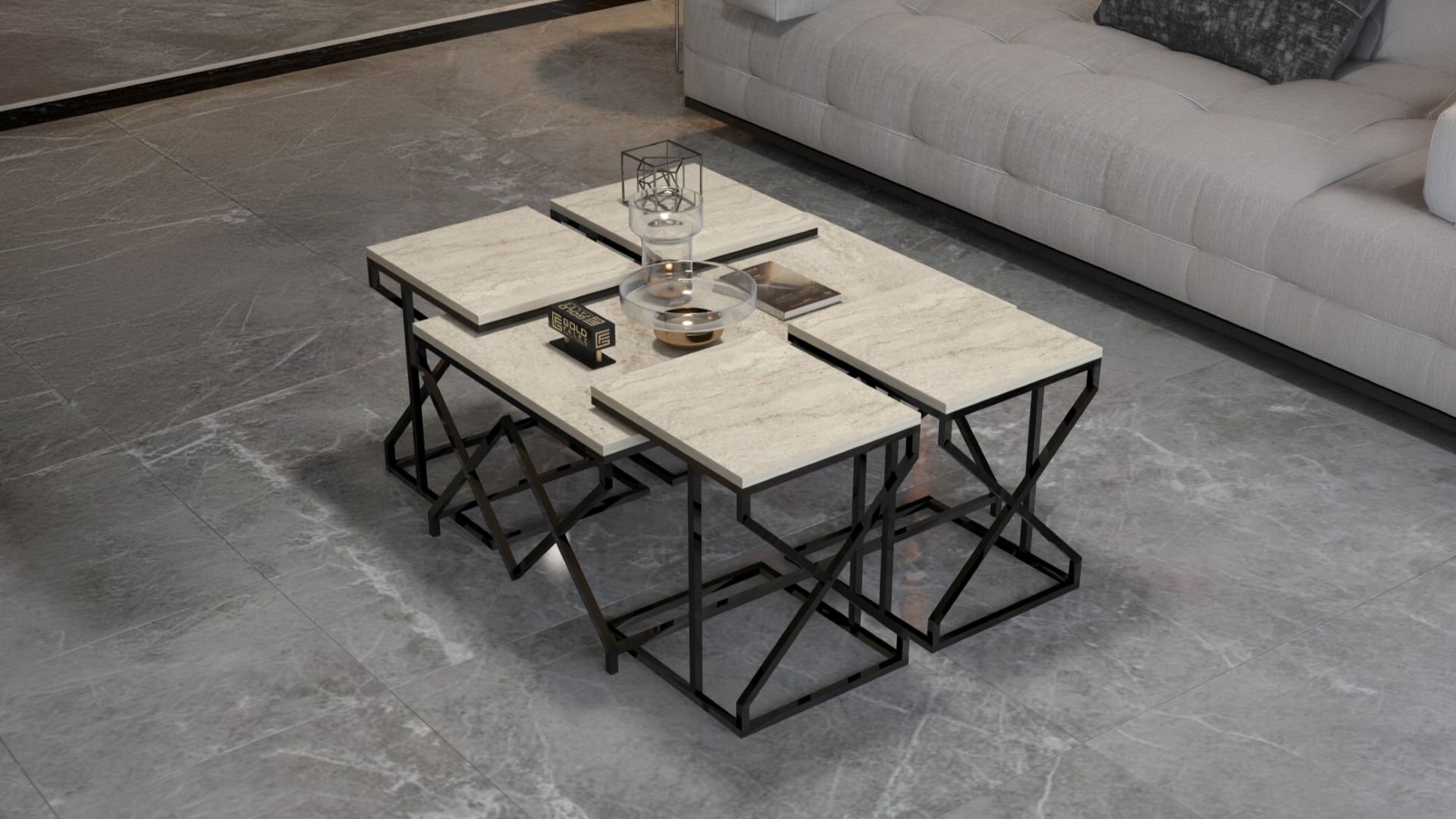
Selecting the right center coffee table is often the final piece of the puzzle when designing a cohesive living room. It serves as the anchor of your seating area, providing both a functional surface for daily use and a central focal point for your interior aesthetics. Whether you are furnishing a compact apartment or a sprawling open-plan lounge, understanding the interplay between dimensions, materials, and traffic flow is essential for making an informed decision.
Understanding Proportions and Scale
The first rule of thumb in coffee table selection is getting the scale right. A table that is too small will look lost in front of a large sofa, while one that is too large can make the room feel cramped and obstruct movement. Ideally, your coffee table should be between one-half and two-thirds the length of your sofa. This ensures that everyone seated has easy access to the table surface without reaching too far.
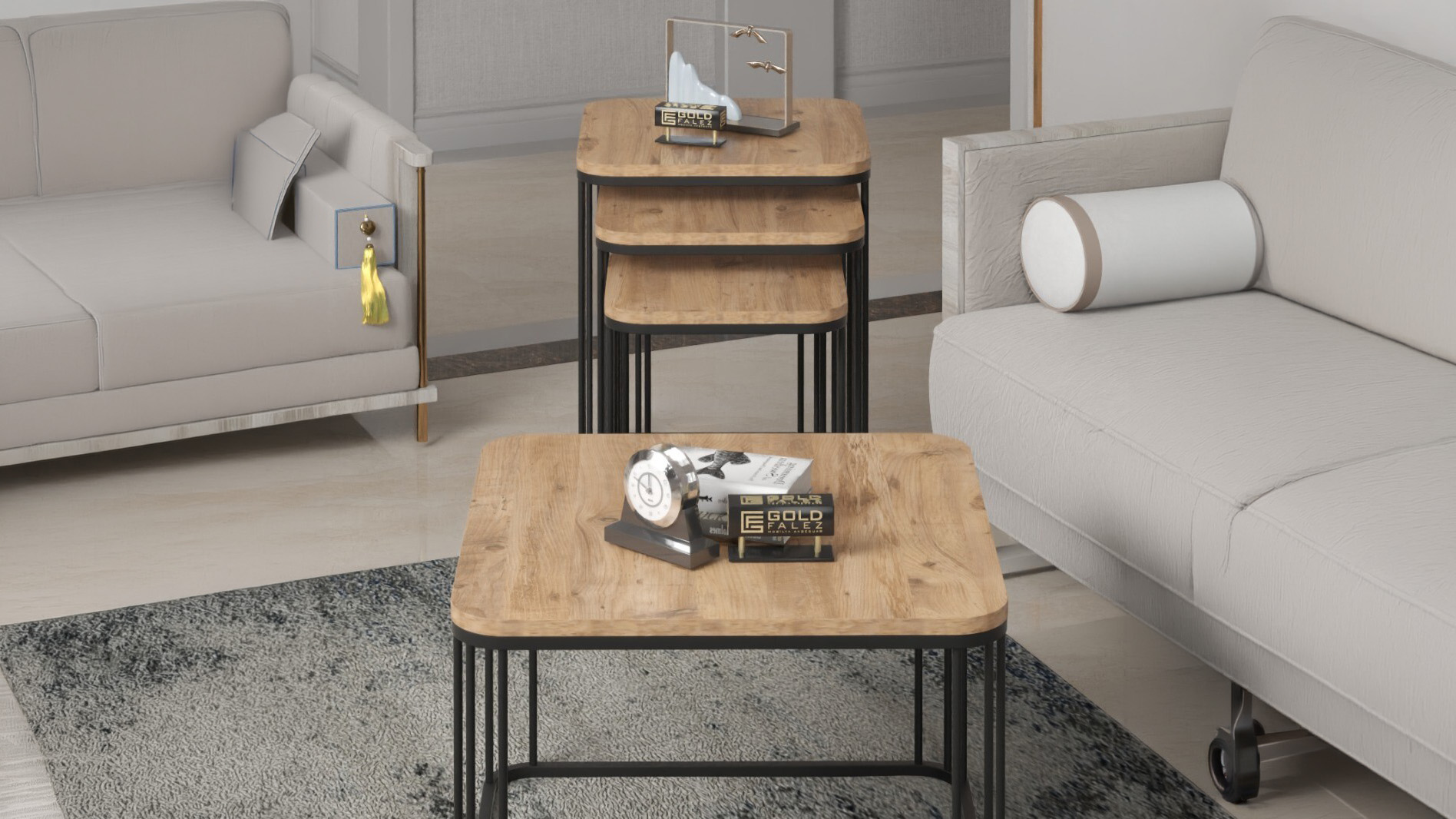
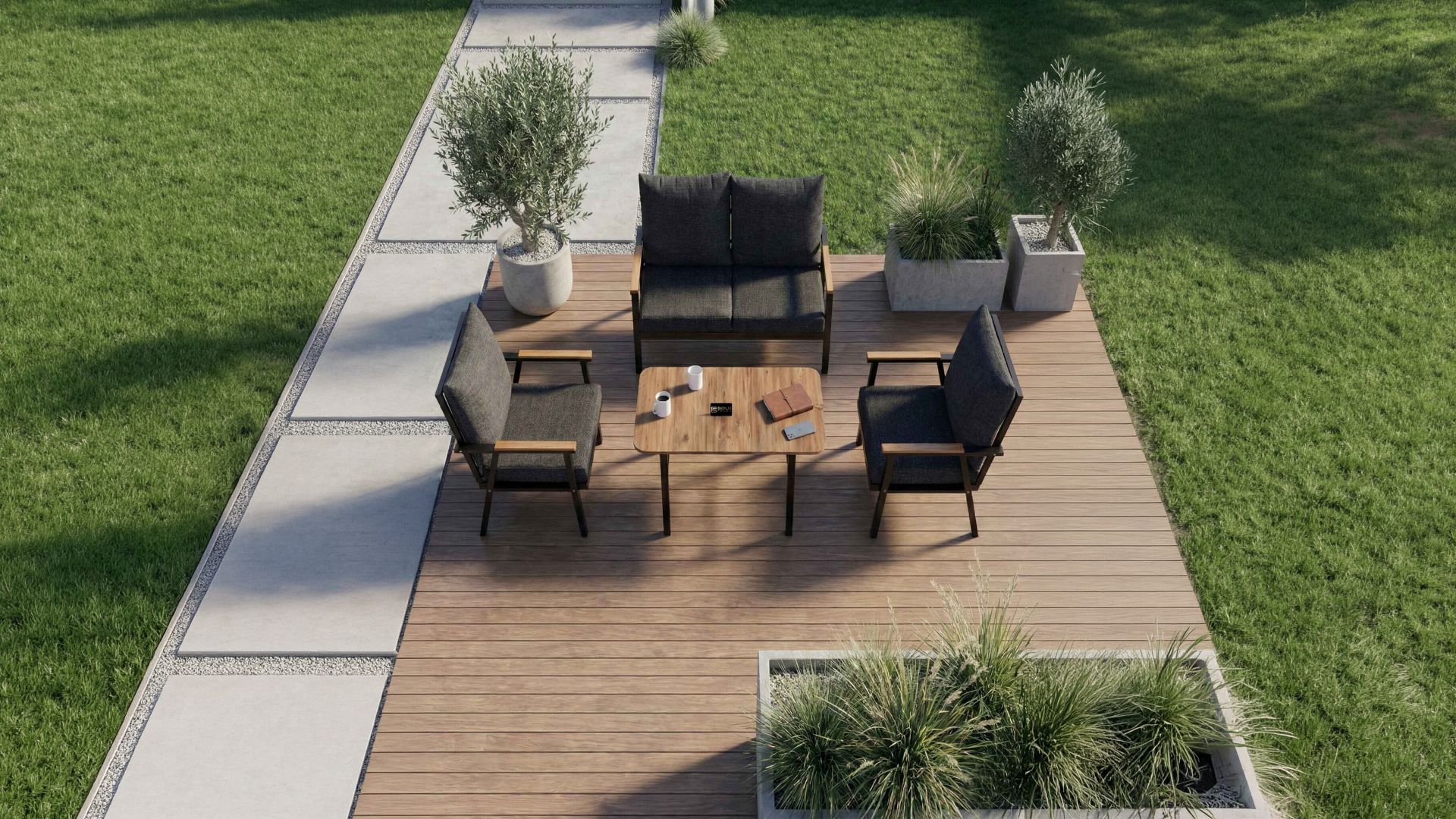
Height is equally critical. For maximum comfort, the top of the table should be roughly the same height as the seat cushions of your sofa, or slightly lower. The Wooden Centre Coffee Table Square offers a standard height of 42 cm, which aligns perfectly with most modern upholstered seating, creating a streamlined look that feels balanced.
Traffic Flow and Clearance
When placing your table, leave approximately 40 to 45 centimeters of space between the edge of the table and the sofa. This provides enough legroom for guests to sit comfortably while keeping the surface within reach for drinks or books. Additionally, ensure there is at least 75 centimeters of clearance between the table and other pieces of furniture, such as a TV stand or armchair, to allow for easy walking paths.
Choosing the Right Shape for Your Layout
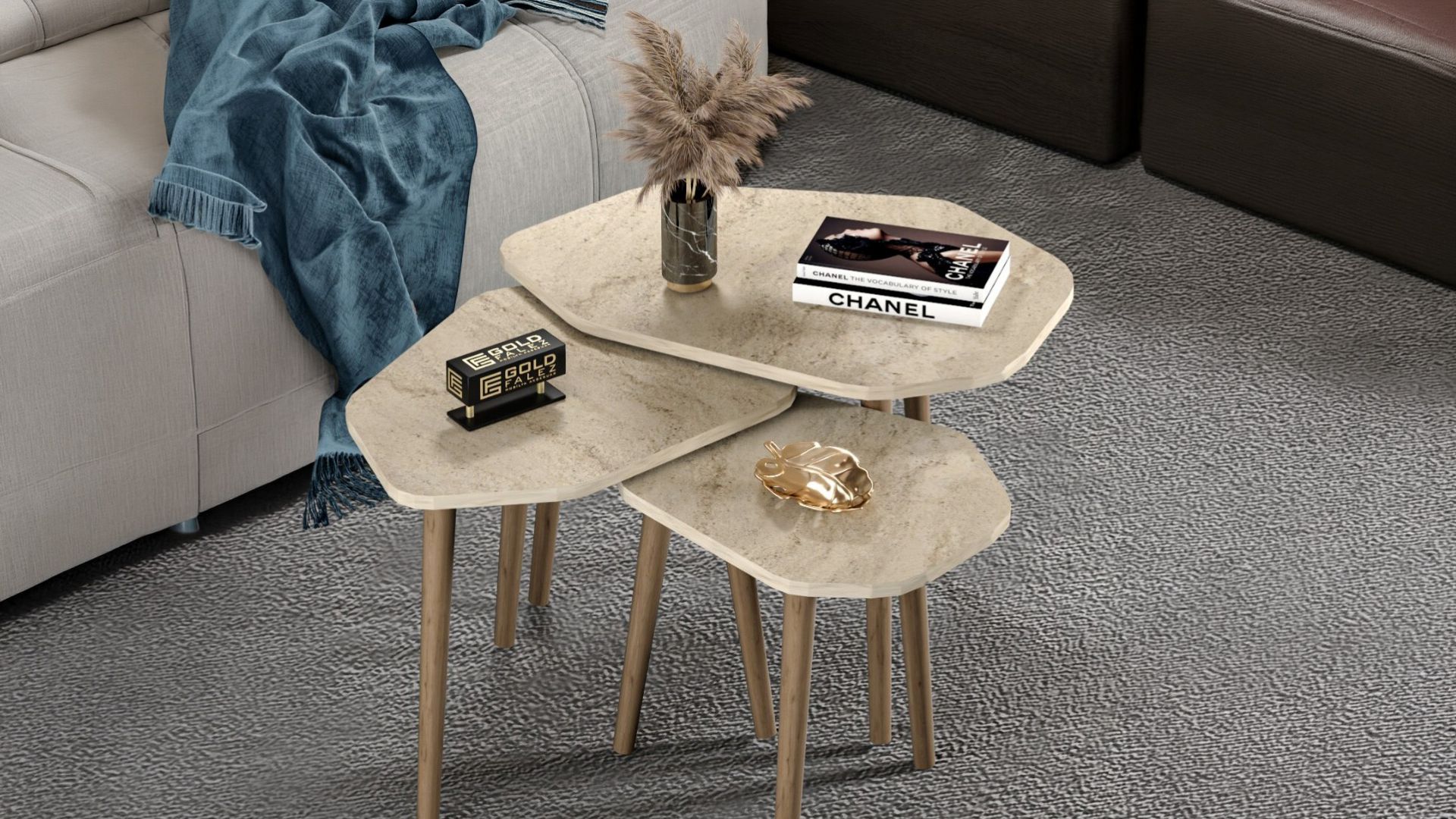
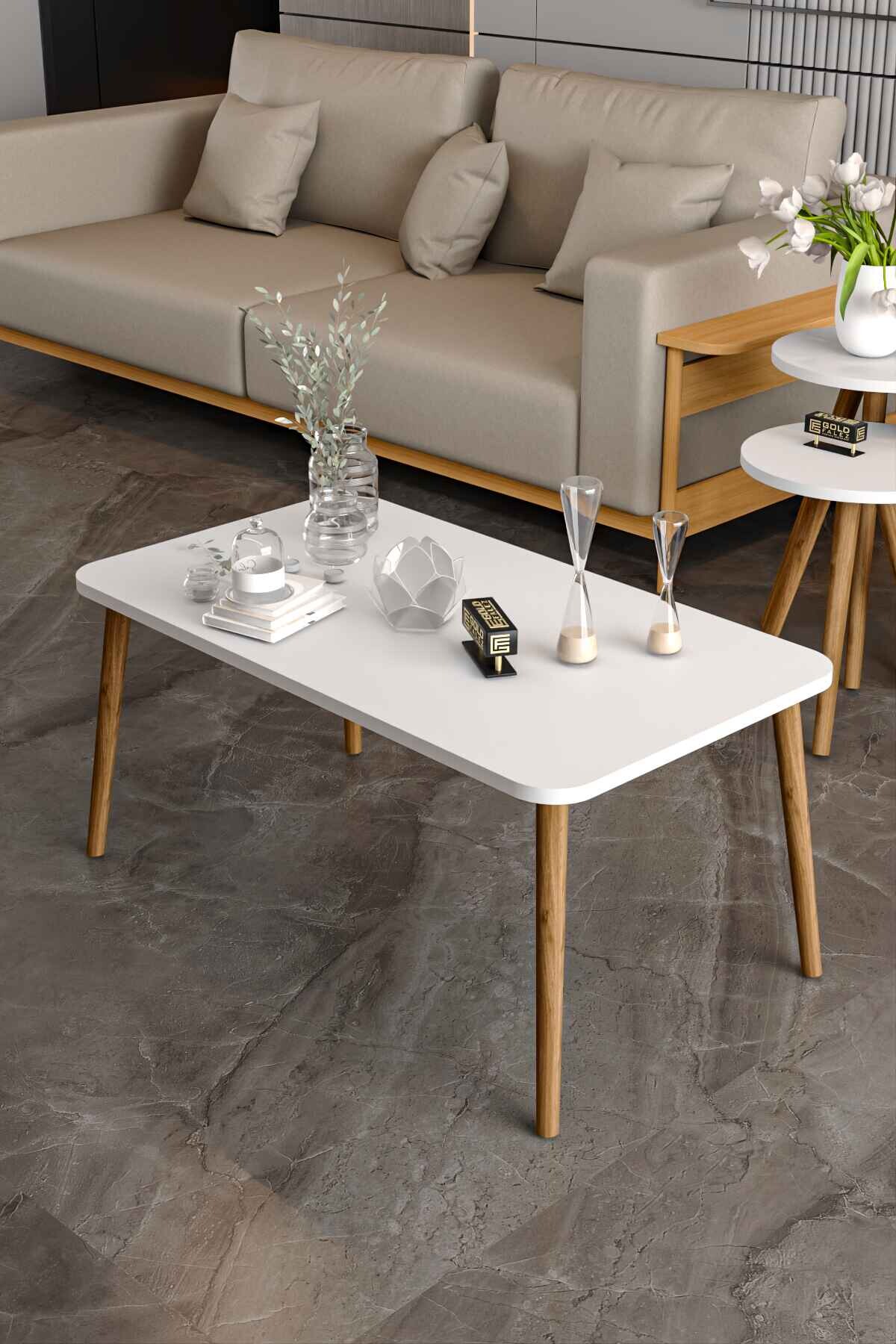
The layout of your seating area often dictates the best shape for your coffee table. If you have a standard horizontal sofa, a rectangular or elliptical table usually works best to mimic the elongated lines of the seating.
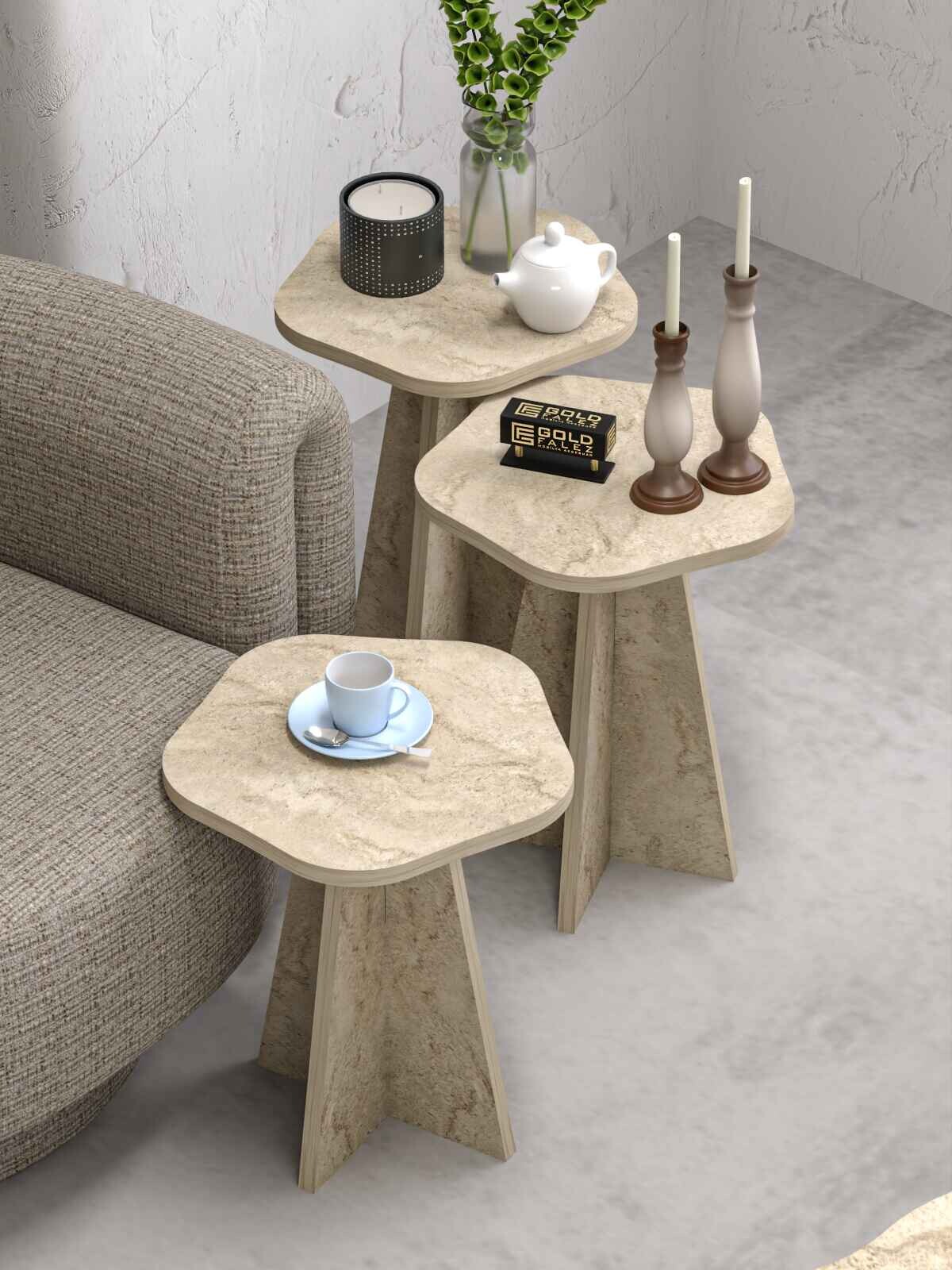
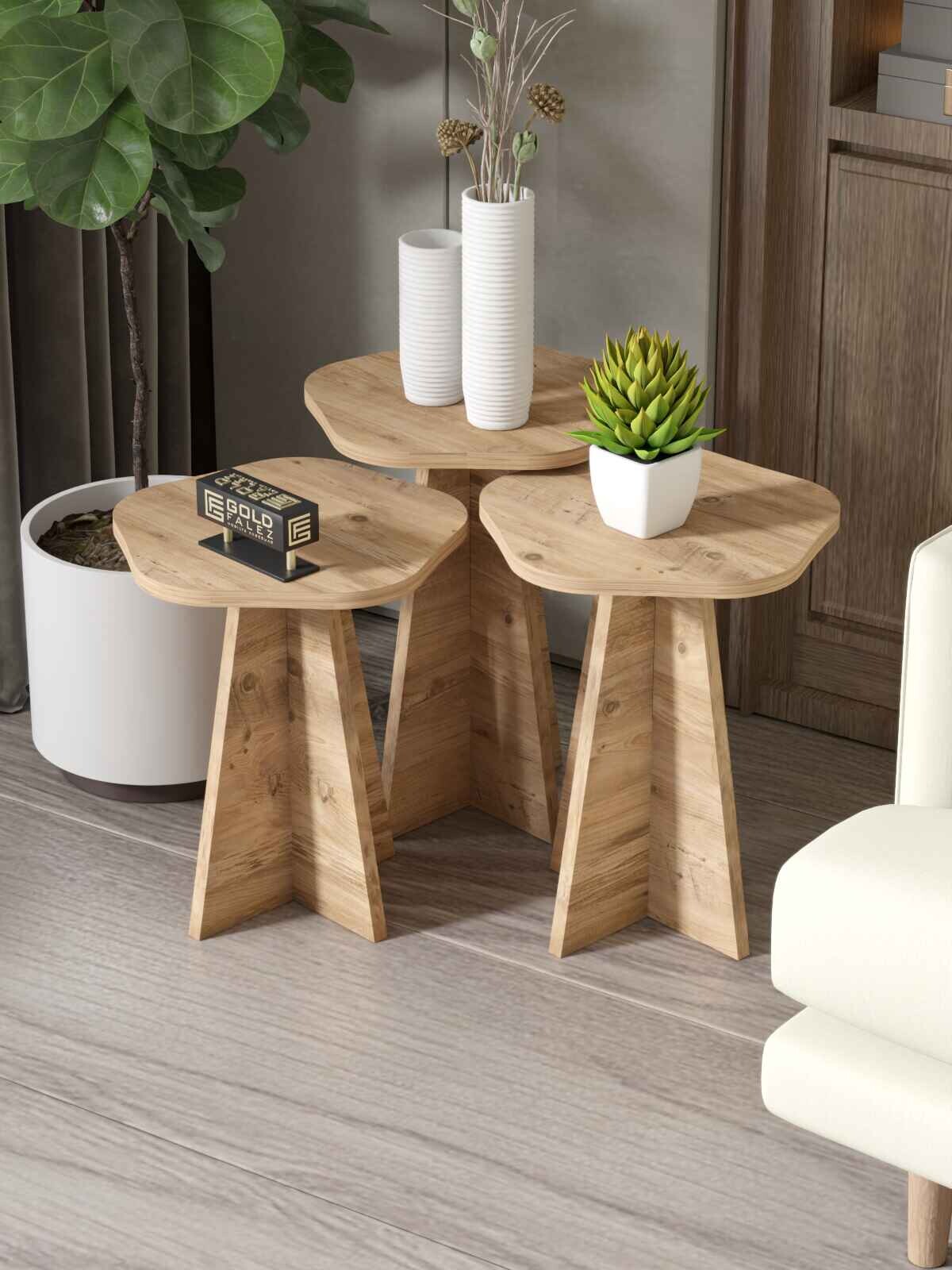
For those with L-shaped sectionals or smaller loveseats, a square or round table can fill the "niche" more effectively. The Black Centre Coffee Table Ellipse is an excellent choice for narrower rooms, as its rounded edges soften the visual impact and prevent the "boxy" feel that can sometimes occur in tight quarters. If you prefer a more classic, sturdy aesthetic, a square wooden option provides a large, usable surface area that grounds the room.
Material Considerations for Durability and Style
Coffee tables are high-traffic items, often subjected to spills, heavy books, and even the occasional pair of feet. Choosing a material that matches your lifestyle is just as important as the design itself.
- Wood and Particleboard: Offer warmth and a natural feel. Modern particleboard with high-quality finishes provides excellent durability at a more accessible price point.
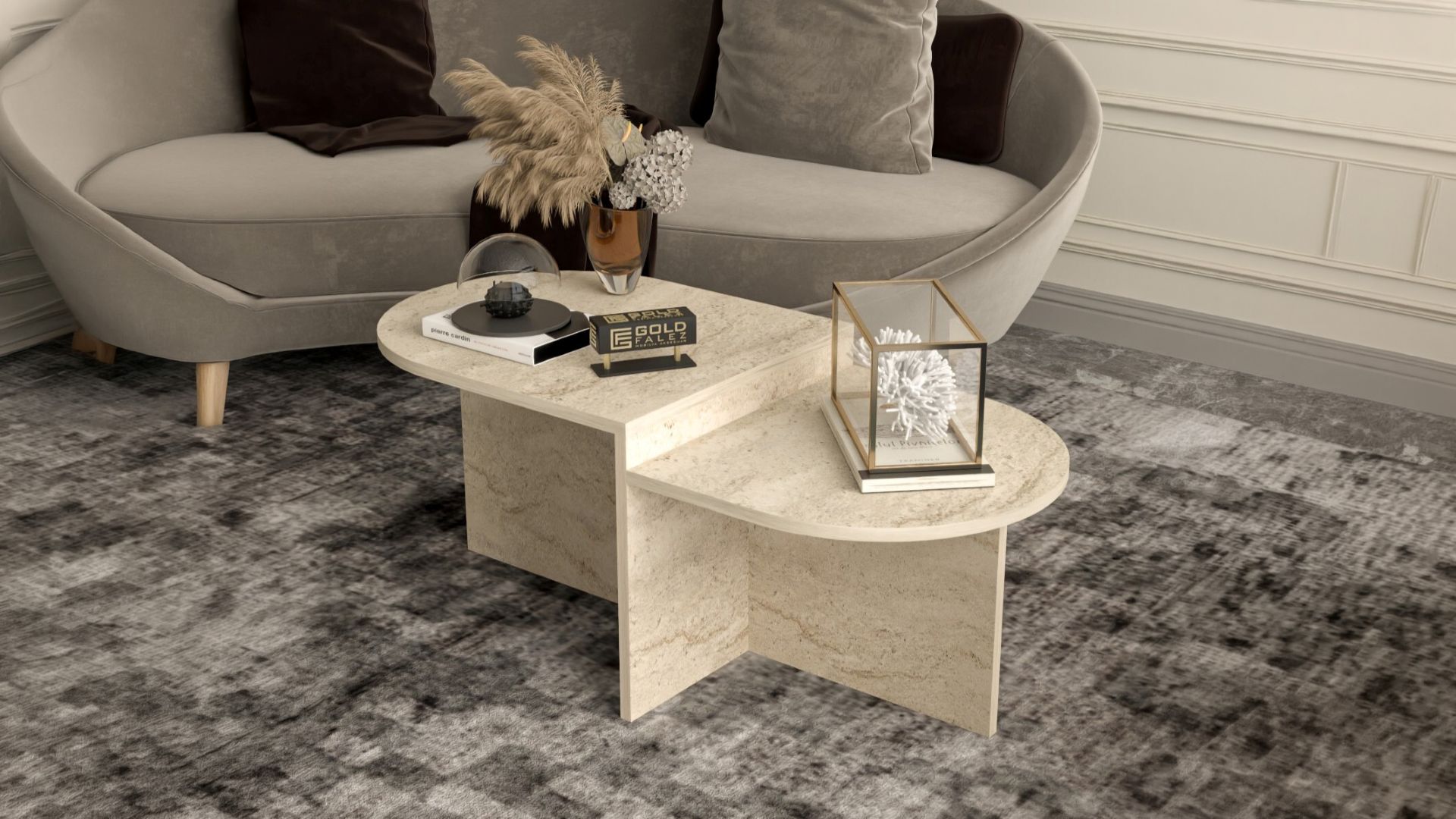
- Metal Accents: Incorporating metal elements can add an industrial or luxurious touch. The Wooden Gold Centre Coffee Table Ellipse combines the warmth of wood-look finishes with the elegance of gold-toned legs, making it a versatile piece for transitional interiors.
- Glass and Wire: These materials create a sense of "airiness," making them ideal for smaller rooms where you want to maintain a sense of open space.
Frequently Asked Questions
What is the ideal distance between a coffee table and a sofa?
The ideal distance is typically between 40 and 45 centimeters (16-18 inches). This allows for enough legroom while ensuring the table remains functional for those seated on the sofa.
Should my coffee table be higher or lower than my sofa?
A coffee table should generally be the same height as the sofa's seat cushions or 1-2 inches lower. Avoid tables that are significantly higher than the seat, as this can disrupt the visual flow and make the space feel cluttered.
How do I choose between a square and a round coffee table?
Choose a square table if you have a large seating area or an L-shaped sectional that needs a central anchor. Choose a round or elliptical table if you have a smaller space, children (to avoid sharp corners), or if you want to soften the lines of a very angular room.
Conclusion
Finding the perfect center coffee table requires a balance of mathematical precision and personal style. By measuring your space, considering the flow of traffic, and selecting materials that reflect your home's personality, you can choose a piece that is both beautiful and functional. Remember that at Goldfalez, we design our tables to meet international standards of quality and style, ensuring your living room remains the heart of your home for years to come.
Frequently Asked Questions
What is the ideal distance between a coffee table and a sofa?
The ideal distance is typically between 40 and 45 centimeters (16-18 inches). This allows for enough legroom while ensuring the table remains functional for those seated on the sofa.
Should my coffee table be higher or lower than my sofa?
A coffee table should generally be the same height as the sofa's seat cushions or 1-2 inches lower. Avoid tables that are significantly higher than the seat, as this can disrupt the visual flow and make the space feel cluttered.
How do I choose between a square and a round coffee table?
Choose a square table if you have a large seating area or an L-shaped sectional that needs a central anchor. Choose a round or elliptical table if you have a smaller space, children (to avoid sharp corners), or if you want to soften the lines of a very angular room.