The Art of Turkish Furniture Craftsmanship: A Complete Guide
Turkey is the world's fifth-largest furniture exporter, a position built not on volume alone but on a centuries-old tradition of woodworking that has evolved into a modern manufacturing powerhouse. For international buyers — whether retailers in Germany, interior designers in Dubai, or homeowners in the United States — understanding what makes Turkish furniture distinct helps explain its growing reputation for quality and value.
A Tradition Rooted in Centuries of Craft
Turkish woodworking stretches back to the Seljuk and Ottoman periods, when master artisans created intricate marquetry, hand-carved thrones, and ornate palace furnishings. The skills developed over those centuries did not disappear with industrialisation. Instead, they evolved. Today, many Turkish furniture workshops blend traditional hand-finishing techniques with precision CNC machining, producing pieces that carry the warmth of handcraft with the consistency of modern manufacturing.
The furniture production hubs of Inegol (Bursa province), Kayseri, and Istanbul each have their own specialisations. Inegol alone accounts for a significant share of Turkey's total furniture output, with hundreds of factories ranging from small family workshops to large-scale exporters.
Materials: Where Quality Begins
Turkish furniture manufacturers have access to diverse raw materials, both domestic and imported. Common materials include:
Solid beech and pine from Turkey's Black Sea forests provide the base for many frame constructions. Beech is prized for its strength and fine grain, making it ideal for table legs and structural elements.
Engineered wood panels (MDF, particleboard with melamine or lacquer finish) form the body of many contemporary pieces. Turkish manufacturers have invested heavily in surface finishing technology, achieving textures and grain patterns that closely mimic natural wood at a fraction of the cost.
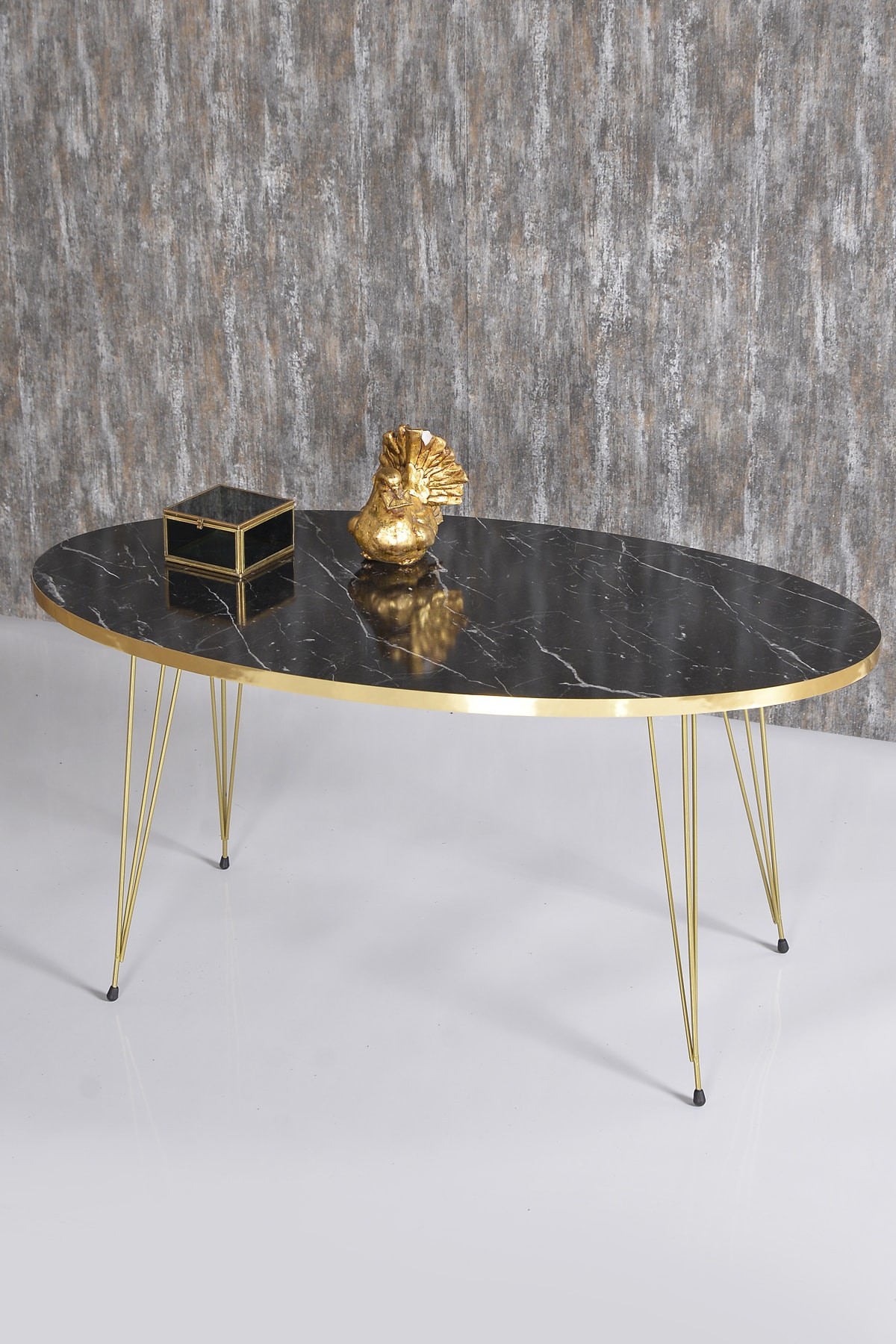
Metal fabrication has become a growing speciality. Wire-frame bases, tubular steel legs, and brass-finished accents are produced with precise welding and finishing techniques. The Gold Wire Centre Coffee Table Ellipse exemplifies this — its gold-finished wire base requires careful bending, welding, and coating to achieve a smooth, even finish.
Natural stone and glass are used as accent materials, particularly in the Luxury Tables segment where marble tops and tempered glass surfaces add a premium feel.
Manufacturing Process: Precision Meets Handcraft
A typical Turkish furniture piece moves through several stages:
Design and prototyping. Many Turkish manufacturers now employ in-house design teams that follow European and Middle Eastern market trends. CAD modelling ensures precise dimensions before production begins.
Material preparation. Wood is kiln-dried to the appropriate moisture content for the destination market. This step is critical — furniture shipped to the dry climate of Saudi Arabia requires different moisture levels than pieces destined for the Netherlands.
CNC cutting and shaping. Computer-controlled routers cut panels and components with millimetre accuracy. This ensures consistency across production runs while reducing material waste.
Assembly. Depending on the piece, this may involve dowel joints, cam locks, or traditional mortise-and-tenon joinery. Higher-end pieces like those in the Nesting Coffee Tables collection use reinforced joints to handle the stress of repeated nesting and separation.
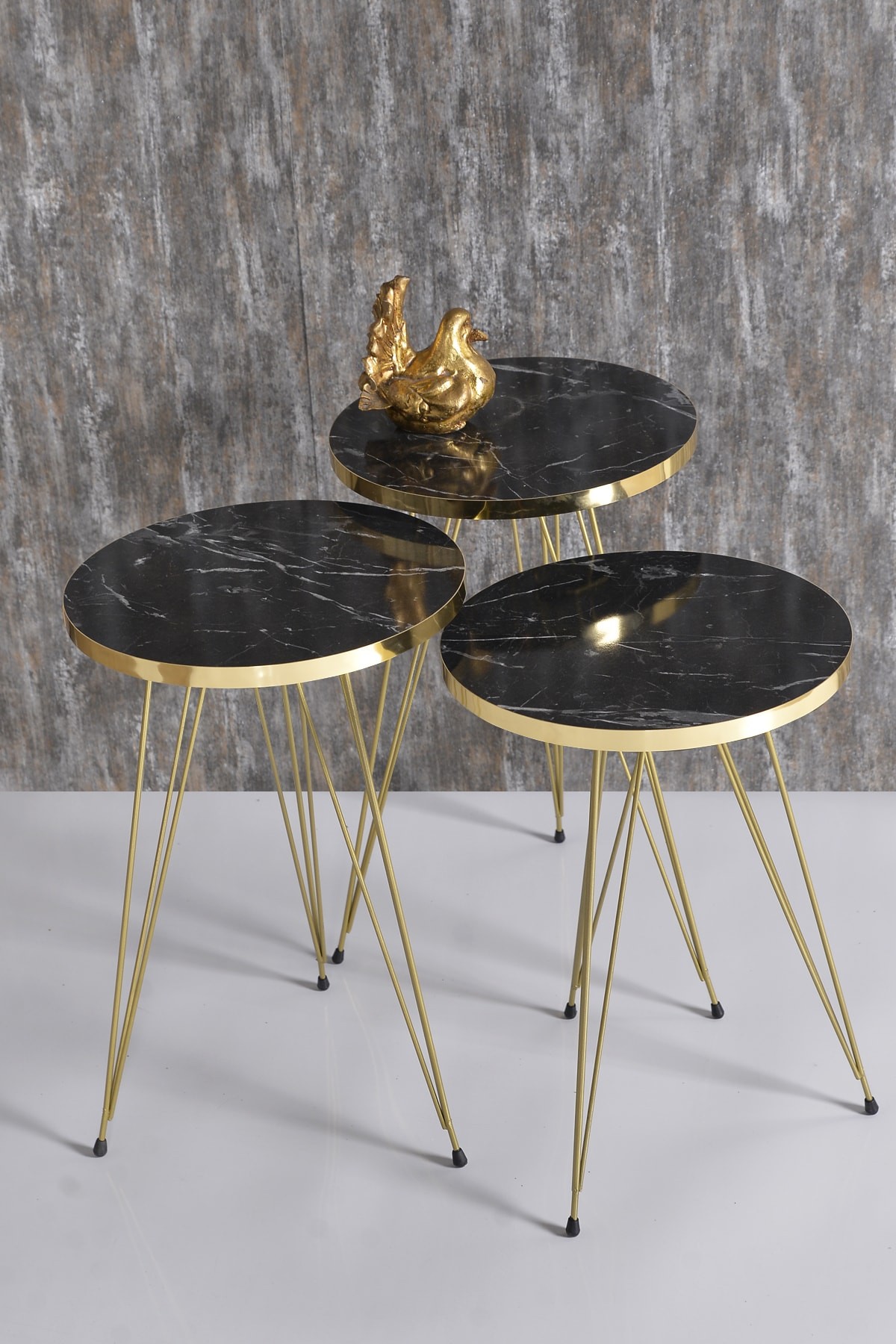
Surface finishing. This is where Turkish craftsmanship truly distinguishes itself. Multi-layer lacquering, hand-applied patinas, and precision powder coating on metal components create surfaces that are both beautiful and durable. The Gold Wire Zigon Coffee Table undergoes an electroplating process followed by a protective clear coat to ensure the gold finish resists tarnishing.
Quality control. Reputable manufacturers test for structural integrity, surface finish consistency, and packaging durability before shipping.
Why Turkish Furniture Stands Out Globally
Price-to-quality ratio. Turkish furniture typically offers European-level build quality at significantly lower price points than Italian, German, or Scandinavian equivalents. For wholesale buyers and retailers, this margin advantage is substantial.
Design versatility. Turkish manufacturers produce across a wide style spectrum — from minimalist Scandinavian-inspired pieces to ornate Middle Eastern designs. This flexibility makes Turkey a single-source option for retailers serving diverse markets.
Export infrastructure. Turkey's geographic position between Europe, the Middle East, and Central Asia gives it logistical advantages. Established shipping routes, experienced freight forwarders, and trade agreements with many countries streamline the import process.
Customisation capability. Many Turkish factories accept custom orders with relatively low minimum quantities — often 50-100 pieces compared to the 500-1,000 minimums common in East Asian manufacturing. This is valuable for retailers who want exclusive designs or specific finishes.
Choosing Quality Turkish Furniture
When evaluating Turkish furniture, look for:
- Edge finishing quality. Run your hand along edges and corners. Well-made pieces have smooth, even edges with no rough spots or visible adhesive.
- Joint stability. Apply gentle pressure to joints and connections. There should be no movement or creaking.
- Surface consistency. Check lacquered and painted surfaces under good lighting. Quality finishing shows no drips, bubbles, or uneven texture.
- Hardware quality. Hinges, drawer slides, and connectors should operate smoothly and feel solid.
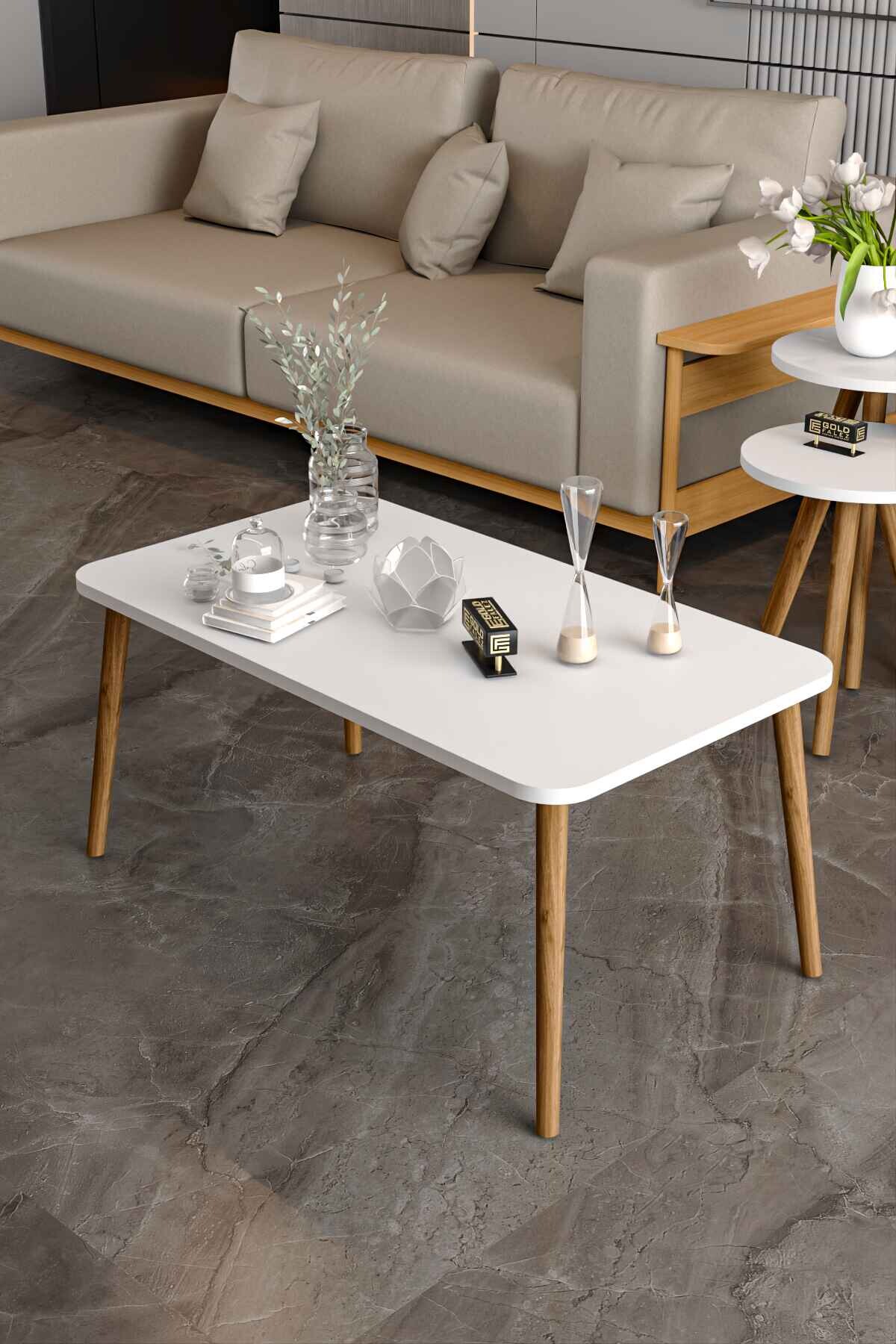
The Wooden Centre Coffee Table Square is a good example of these principles in action — clean edges, stable construction, and a consistent surface finish that reflects careful production standards.
From Workshop to Living Room
Turkish furniture craftsmanship has come a long way from the hand-carved palace furniture of the Ottoman era, but it has not abandoned its roots. The attention to surface finishing, the care in material selection, and the pride in producing a well-made piece remain central to the industry's identity.
Whether you are a wholesale buyer sourcing for your retail network or a homeowner furnishing your living room, Turkish furniture offers a compelling combination of heritage, quality, and value. Explore the Goldfalez Coffee Table and Luxury Tables collections to see modern Turkish craftsmanship firsthand.