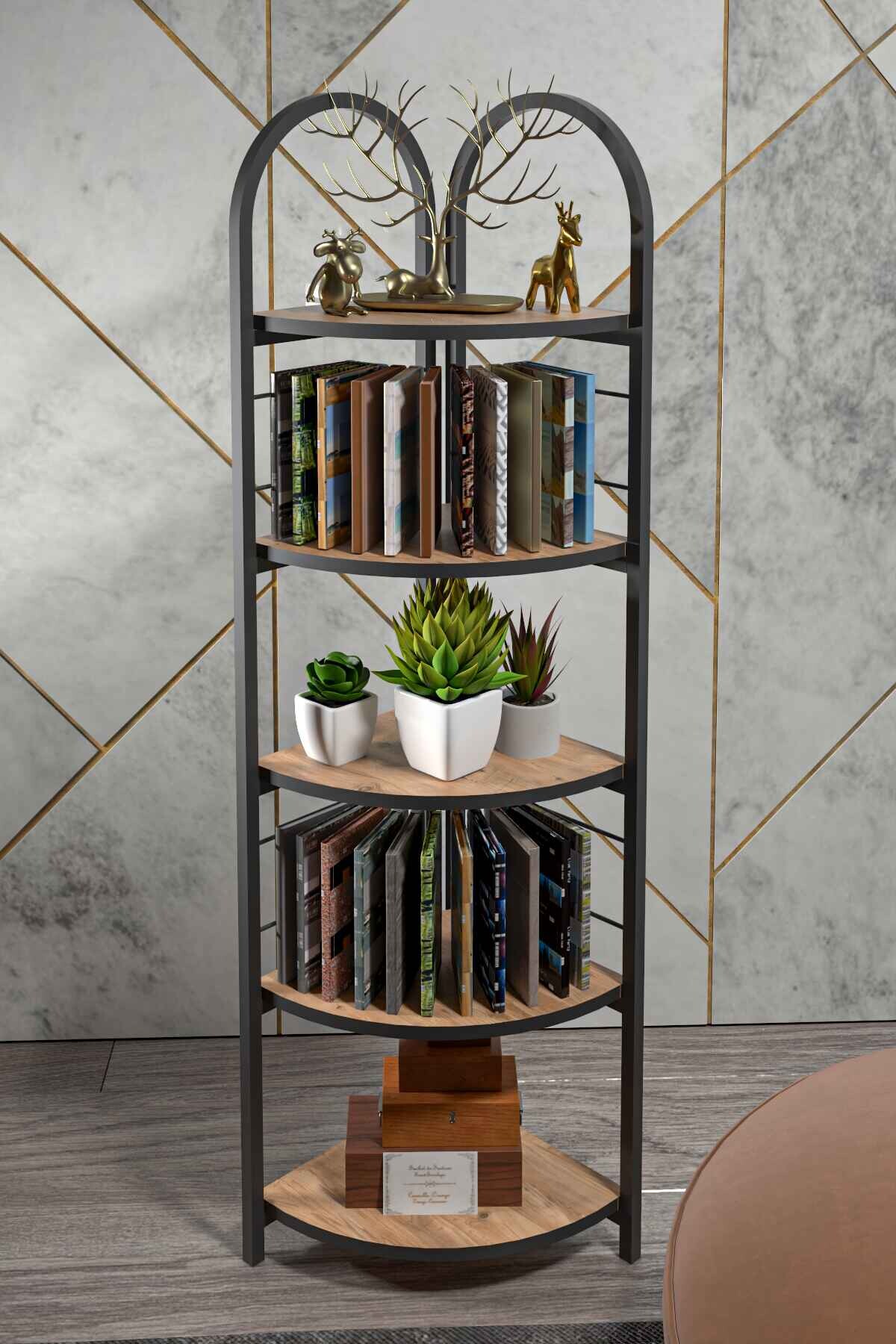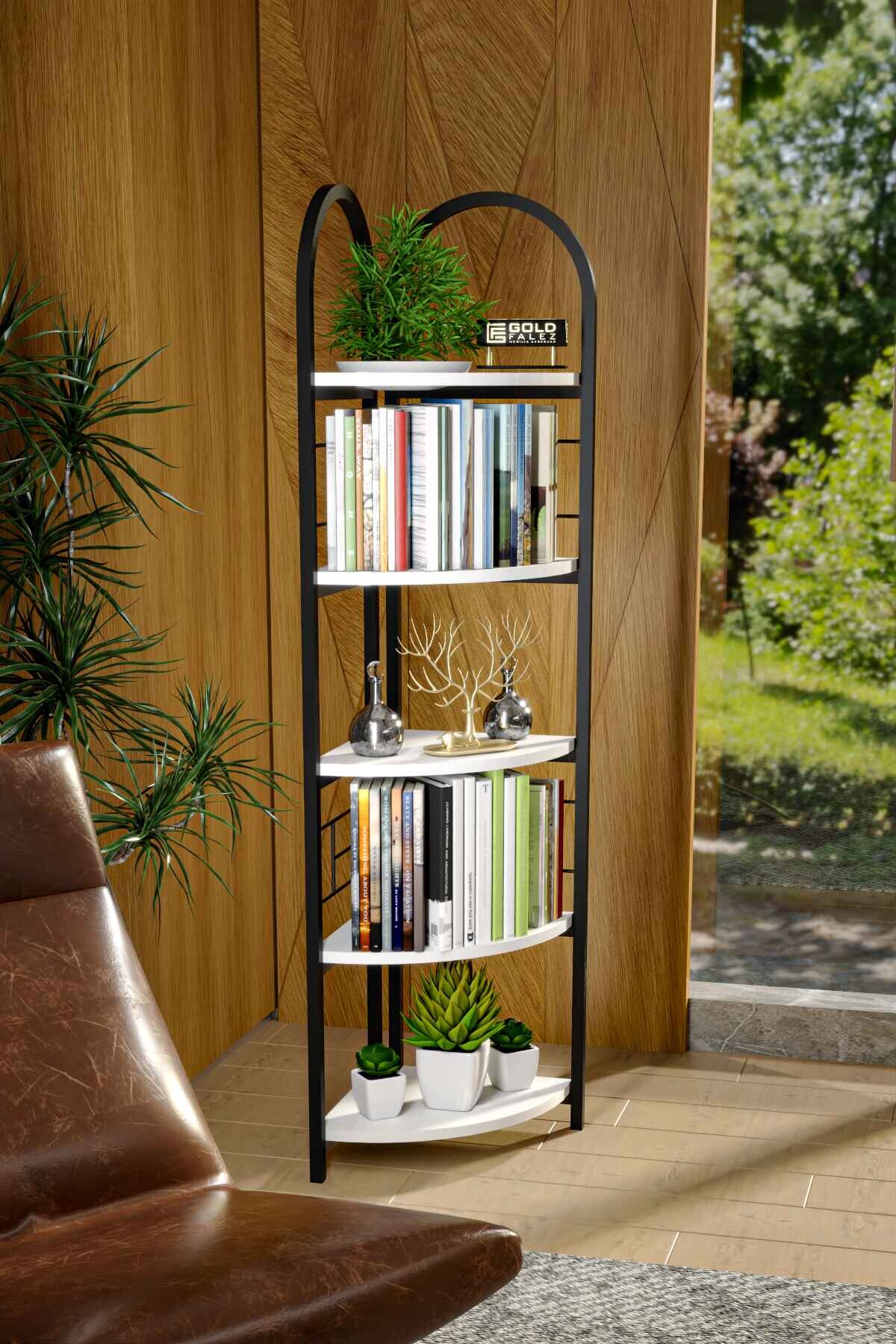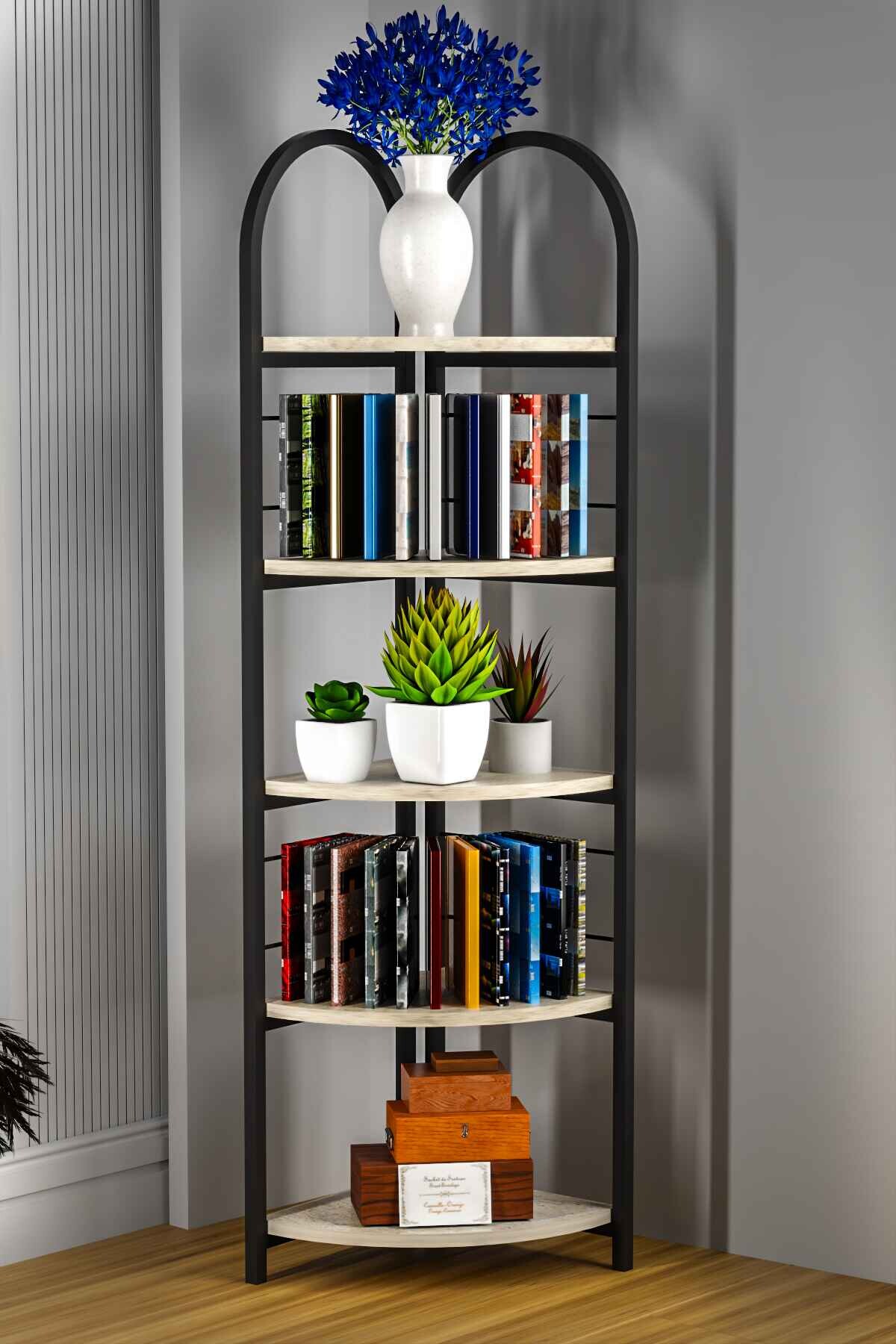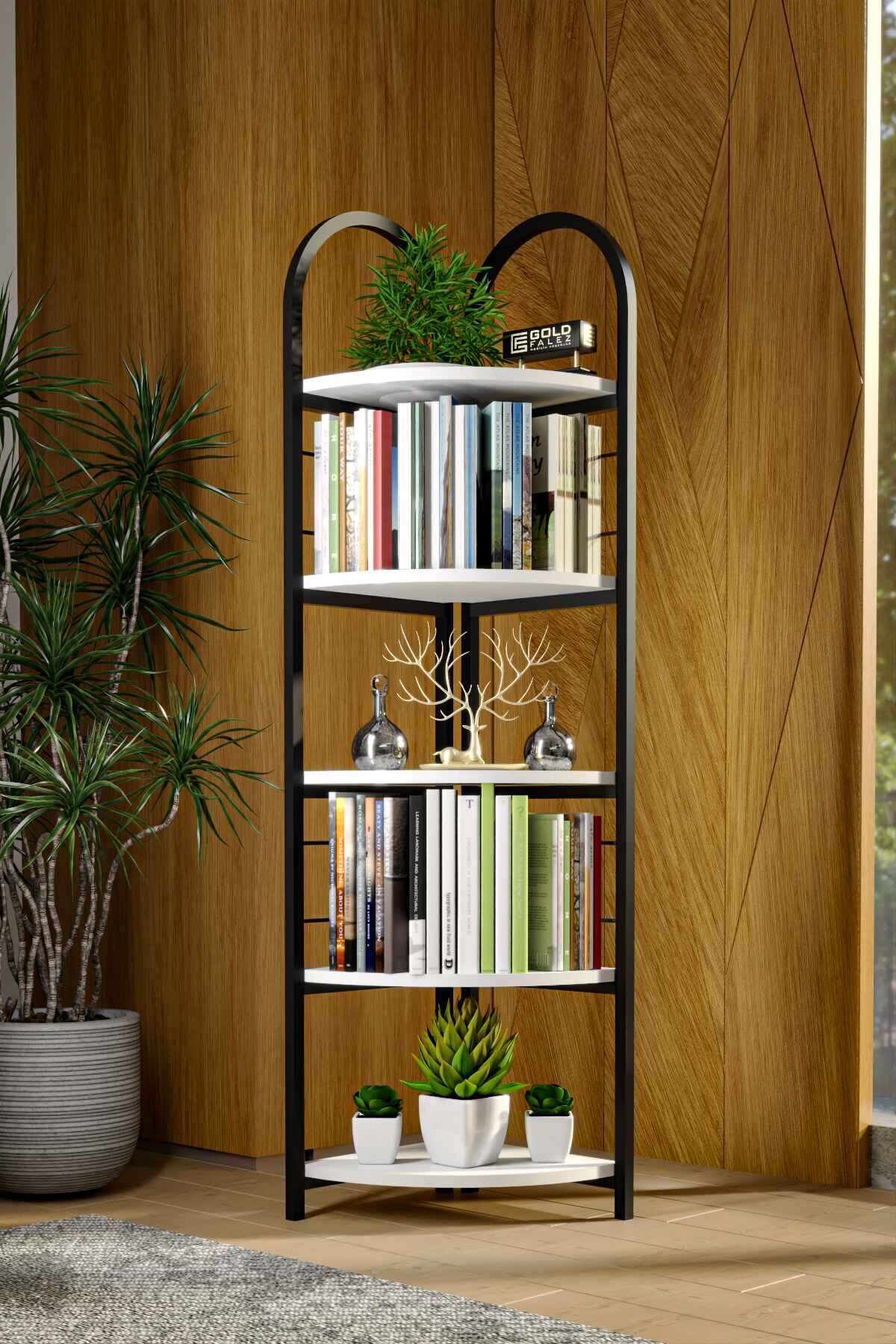
250+ Products 40+ Countries 70+ Years of craft 🇩🇪🇫🇷🇬🇧🇸🇦🇦🇪🇷🇺🇮🇹🇪🇸🇳🇱🇵🇹🇷🇸🇹🇷🇺🇸🇧🇷🇰🇿 Trusted by 250+ retailers across 40+ countries
bookshelf

Organizing Your Bookshelf: Top Aesthetic Tips

Goldfalez 4 min read
bookshelf organization aesthetic bookshelf ideas how to organize books decluttering tips home office organization
Organizing Your Bookshelf: Top Aesthetic Tips

An organized bookshelf is a reflection of a tidy mind, but it’s also an opportunity to create a stunning piece of interior "eye candy." Far from just being a storage solution, a well-curated bookshelf can act as a secondary gallery for your home. The challenge lies in moving from a haphazard collection of spines to a cohesive, intentional display. With a few professional tricks, anyone can turn their bookcase into a professional-looking feature.

The Strategy of Categorization

Before you start placing items, decide on your organization strategy. Are you a researcher who needs to find books by subject? Or are you a designer who wants a specific visual flow? Common methods include organizing by genre, author, or even color. Color-coding, while controversial among some book purists, creates a high-impact, organized look that is incredibly pleasing to the eye.

For those who love a clean, grid-like aesthetic, the Bookshelf Nine Compartments provides the perfect framework. Each compartment can represent a different "theme" or color family. You might dedicate the top row to white and light gray spines, the middle row to pops of color, and the bottom row to darker, heavier volumes. This compartmentalization prevents the overall look from becoming overwhelming.

Integrating Storage Solutions

Not everything on a bookshelf needs to be a book. In fact, adding non-book elements is the secret to a professional look. Decorative boxes, woven baskets, and sleek magazine files can be used to hide less attractive items like loose papers, chargers, or paperback books that have seen better days. These storage solutions add a new texture and material to the display, breaking up the repetition of paper.

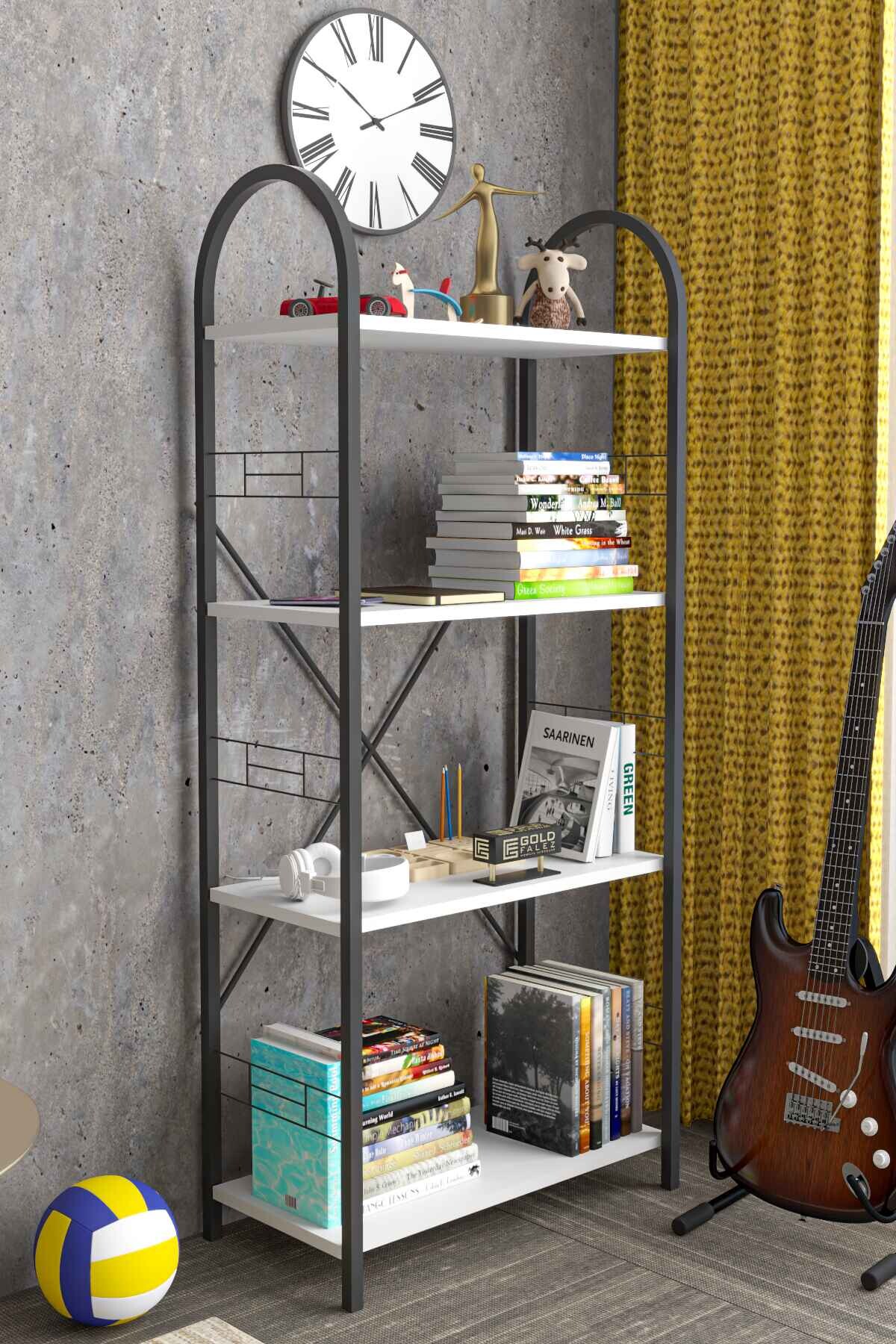
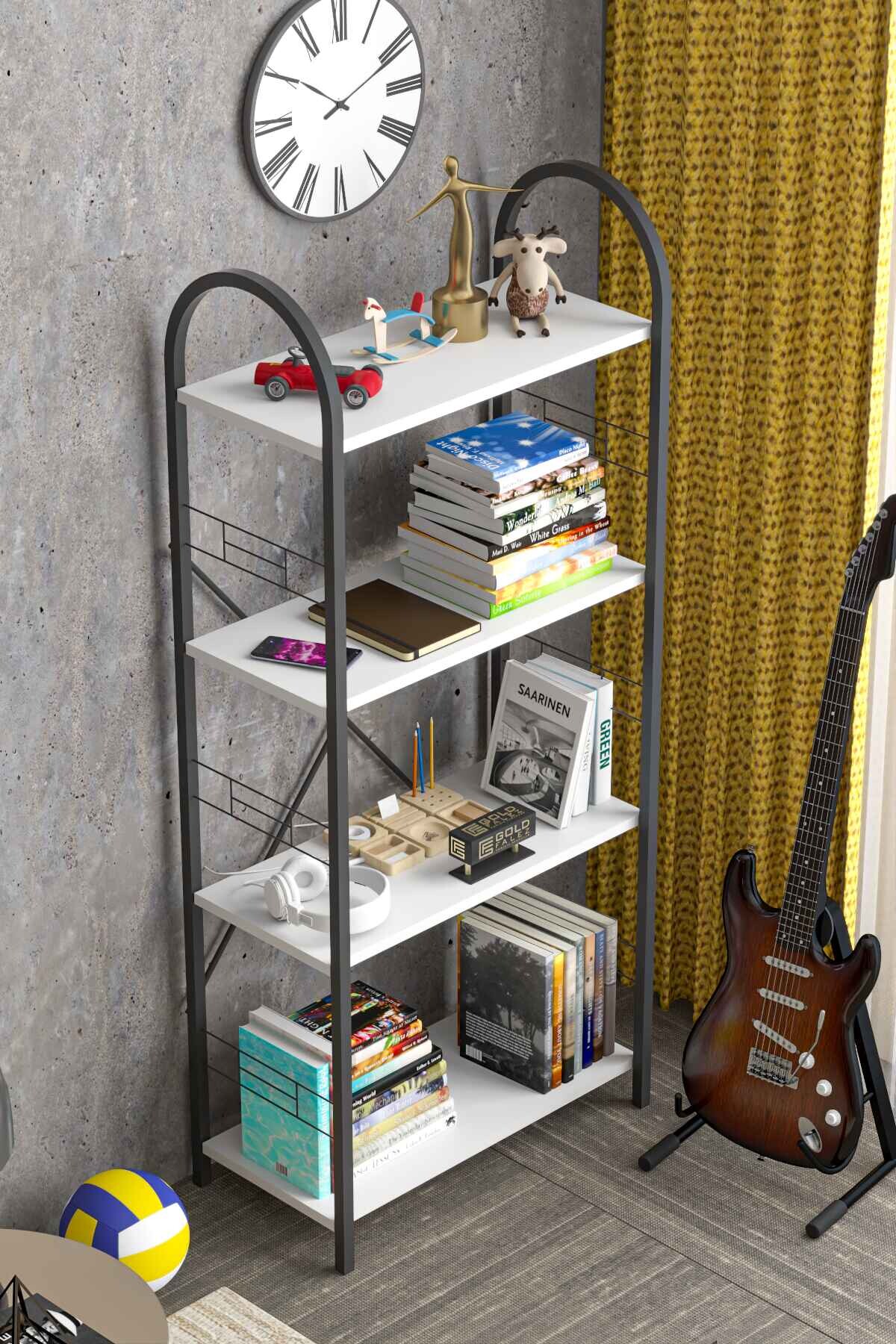
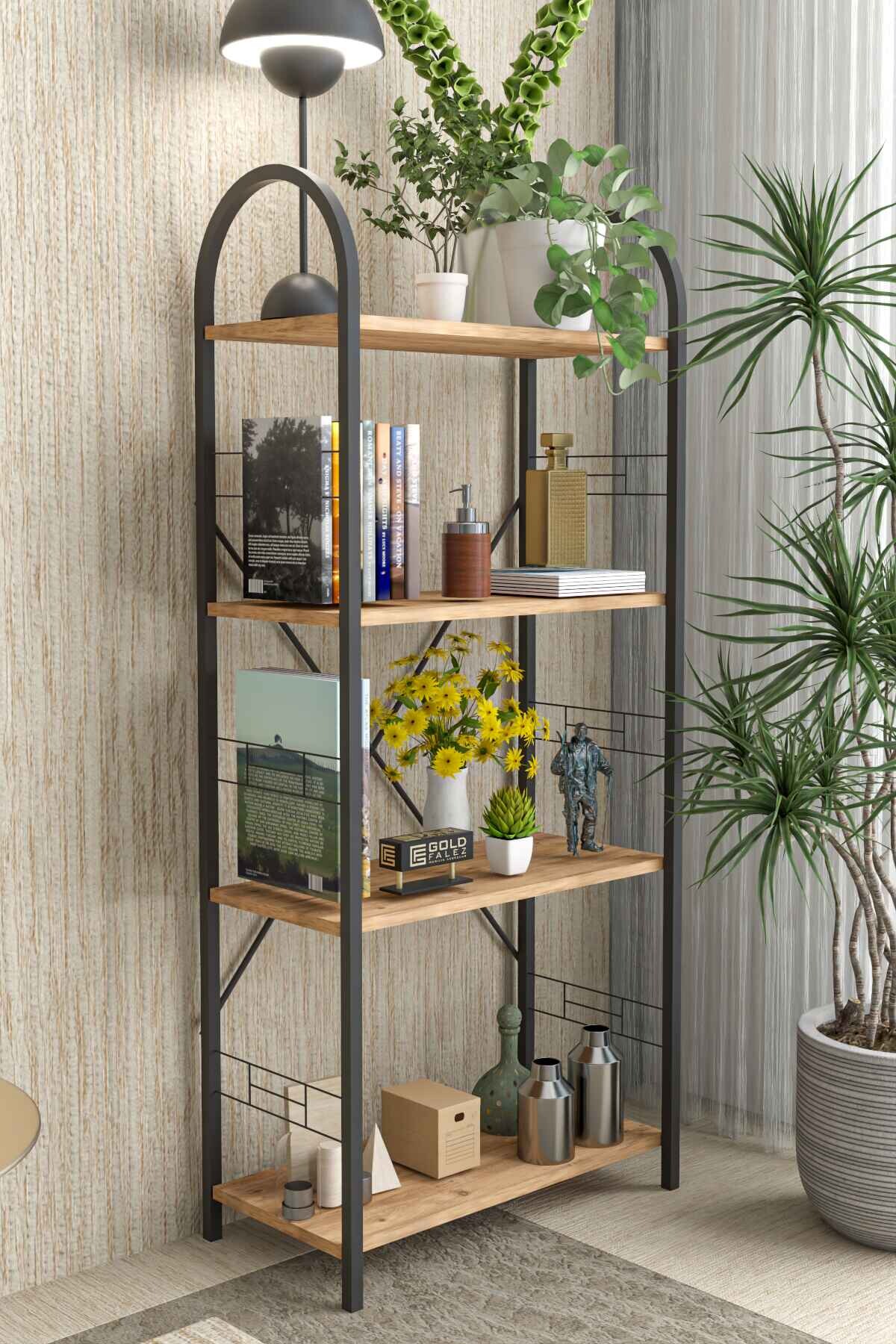
If you are working with a mid-sized unit like the Bohemian Bookcase With 4 Shelves, consider using the bottom shelf for matching storage bins. This anchors the piece visually and keeps the "clutter" out of sight, leaving the higher shelves free for your most beautiful books and prized possessions. The contrast between the natural texture of the wood and the material of your bins (be it canvas, felt, or wicker) adds depth to the room.

The Rule of Thirds and Layering

To achieve a balanced look, apply the "Rule of Thirds." Aim for one-third books, one-third decorative objects, and one-third empty space. This ratio ensures that the shelf feels full but breathable. When placing objects, think in layers. Place a large, flat art book at the back, lean a small framed photograph against it, and place a tiny succulent in front. This creates a sense of depth that draws people in for a closer look.

The classic Shelf Bookcase is a versatile canvas for this layering technique. Because the shelves are wide and deep, you have plenty of room to play with foreground and background. Don't be afraid to pull some books to the front edge of the shelf while pushing others back; this variation in depth prevents the display from looking like a flat wall.

Frequently Asked Questions

Should I organize books by height?

Organizing by height is a great way to create a sense of order. You can create "slopes" by going from tallest to shortest, or place the tallest books at the ends of a shelf to act as natural bookends for the shorter ones in the middle.

How do I handle "ugly" book spines?

If you have books that are essential but don't fit your aesthetic, you can turn them around so the pages face out (the "backward book" trend). Alternatively, you can group them in a decorative storage box or place them on the lowest or highest shelves where they are less visible.

How often should I re-organize my shelves?

A deep clean and re-organization every six months is a good habit. It allows you to dust the hard-to-reach areas and gives you a chance to rotate your decorative objects, keeping the look of your room fresh and updated.

Conclusion

Organizing your bookshelf is an act of creative expression. It’s about more than just finding a home for your books; it’s about crafting a narrative for your room. By using strategies like categorization, layering, and integrated storage, you can turn any standard unit into a design masterpiece. Explore the Goldfalez collection for high-quality, Turkish-made bookshelves that provide the perfect foundation for your organizational journey.

Frequently Asked Questions

Should I organize books by height?

Organizing by height is a great way to create a sense of order. You can create "slopes" by going from tallest to shortest, or place the tallest books at the ends of a shelf to act as natural bookends for the shorter ones in the middle.

How do I handle "ugly" book spines?

If you have books that are essential but don't fit your aesthetic, you can turn them around so the pages face out (the "backward book" trend). Alternatively, you can group them in a decorative storage box or place them on the lowest or highest shelves where they are less visible.

How often should I re-organize my shelves?

A deep clean and re-organization every six months is a good habit. It allows you to dust the hard-to-reach areas and gives you a chance to rotate your decorative objects, keeping the look of your room fresh and updated.

Related Articles