250+ Products 40+ Countries 70+ Years of craft 🇩🇪🇫🇷🇬🇧🇸🇦🇦🇪🇷🇺🇮🇹🇪🇸🇳🇱🇵🇹🇷🇸🇹🇷🇺🇸🇧🇷🇰🇿 Trusted by 250+ retailers across 40+ countries
bookshelf

Kids' Bookshelf Guide: Encouraging Reading Habits

Goldfalez 4 min read
kids bookshelf ideas nursery library encourage reading habits child-safe furniture organizing kids books
Kids' Bookshelf Guide: Encouraging Reading Habits

Fostering a love of reading in children is one of the greatest gifts a parent can provide. While the books themselves are the stars, the environment in which they are kept plays a crucial role. A child-friendly bookshelf is more than just storage; it is an invitation to explore, a gateway to new worlds, and a tool for developing independence. By choosing the right furniture and organizing it with a child's perspective in mind, you can turn a bedroom corner into a magical reading sanctuary.

Accessibility is Key

The most important factor in a child's library is accessibility. If a child can't see or reach their books, they are much less likely to engage with them. Lower shelves should be dedicated to their most loved picture books, while higher shelves can be used for "read-aloud" books that require parental supervision. Using a shelf that is appropriately scaled for their height allows them to choose their own stories, fostering a sense of autonomy.

The Bookshelf Nine Compartments is excellent for kids' rooms because of its low-profile design. The bottom and middle cubbies are perfectly positioned for toddlers and young children. You can use some compartments for books and others for "story-related" toys, like a stuffed animal that matches a favorite character. This mix of play and literacy makes the bookshelf a destination rather than just a piece of furniture.

Visual Appeal and Organization

Children are naturally drawn to bright colors and interesting shapes. For young children, "front-facing" organization is often better than traditional spine-out storage. Seeing the cover of a book is much more stimulating for a child who cannot yet read. You can achieve this by using a few compartments of your unit to lean books against the back wall, rotating them weekly to keep the "selection" fresh.

For older children who have started to accumulate chapter books, a more traditional layout like the Shelf Bookcase works well. To keep it from feeling too "grown-up," use colorful bookends or incorporate bins on the lower shelves for art supplies or small toys. The key is to keep the area uncluttered. A shelf that is too packed can be overwhelming for a child, making it hard for them to pick just one story.

Safety and Durability in the Playroom

When choosing furniture for a child's room, safety and durability are non-negotiable. Children are active, and their furniture needs to withstand years of use. Materials like high-quality particleboard or Suntalam are ideal because they are sturdy yet lack the sharp splinters sometimes found in lower-quality raw wood. Smooth, easy-to-clean finishes are also essential for dealing with the occasional crayon mark or sticky fingerprint.

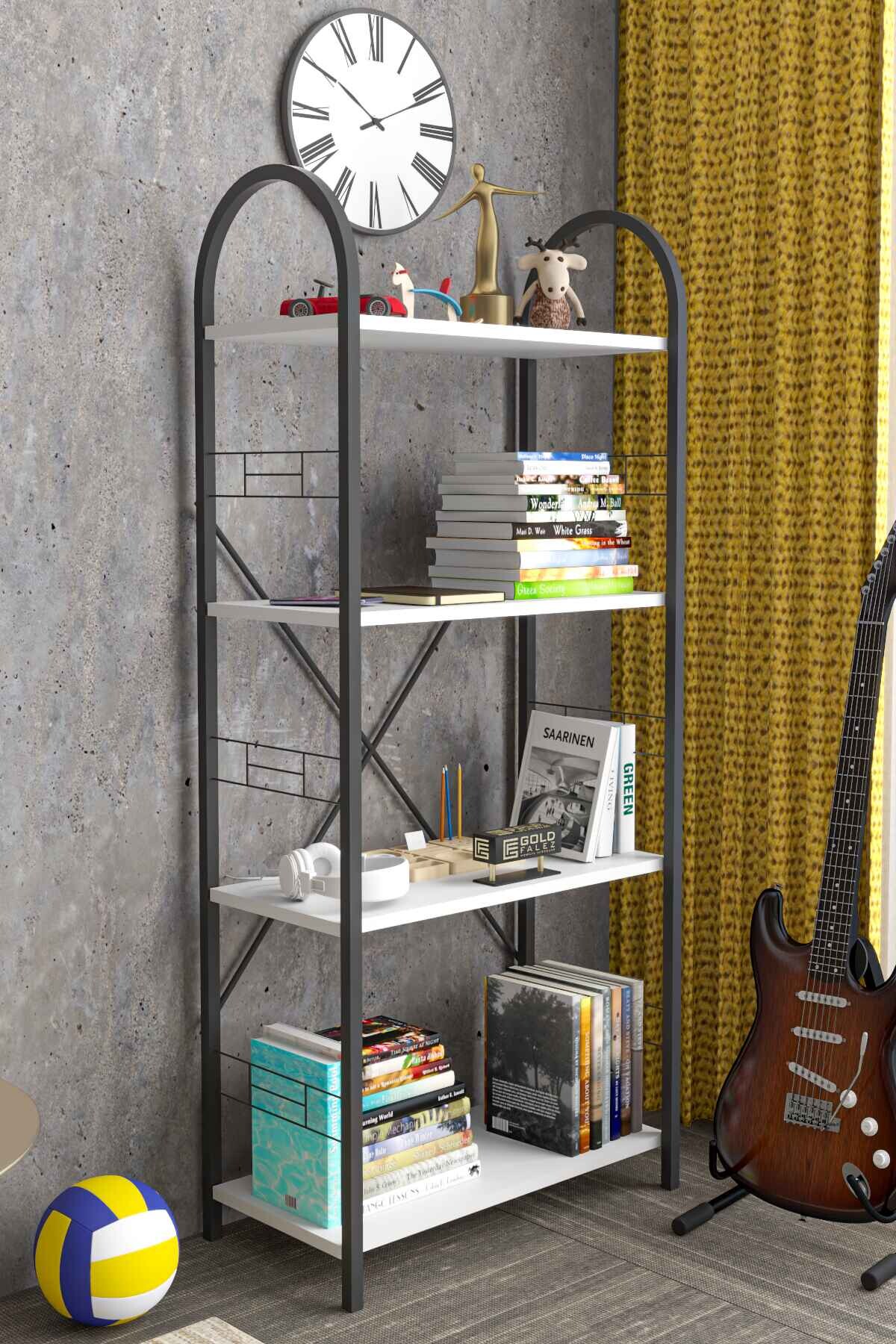
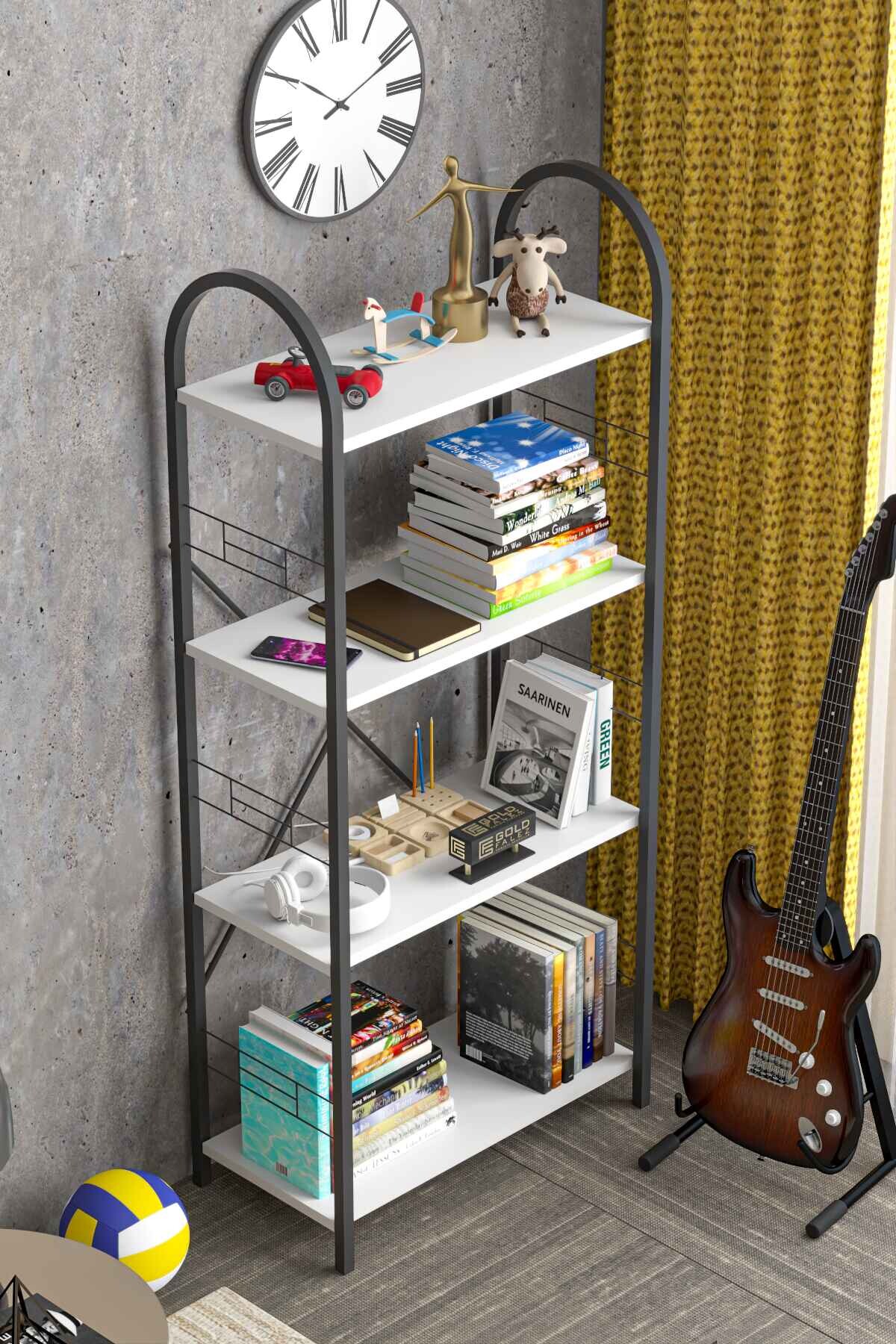
A mid-height unit like the Bohemian Bookcase With 4 Shelves offers a great balance. It’s tall enough to provide substantial storage as the child grows, but stable enough for a busy nursery or playroom. As always, regardless of the unit's height, it should be securely anchored to the wall to prevent any accidents during enthusiastic play.

Frequently Asked Questions

At what age should I get a bookshelf for my child?

It's never too early. Even for infants, a small shelf for board books near their changing table or crib sets the stage for a reading routine. As they transition to a "big kid" room, you can upgrade to a larger unit.

How do I rotate my child's books?

Keep about 10-15 books out at their level. Store the rest in a closet or under-bed bin. Every few weeks, swap out the books on the shelf for "new" ones from your storage. This keeps the child’s interest high without overwhelming the space.

What else should be in a reading nook?

Comfort is vital. Pair the bookshelf with a soft rug, some oversized floor cushions, or a small beanbag chair. Good lighting, such as a child-safe floor lamp or plenty of natural light, is also essential for protecting young eyes.

Conclusion

A kids' bookshelf is the foundation of a literacy-rich home. By making books accessible, visually engaging, and safely stored, you are telling your child that reading is a valued and enjoyable part of life. Whether you choose a modern cubby design or a classic tall unit, Goldfalez offers durable, stylish Turkish furniture that will grow alongside your child. Invest in their future today by creating a space where stories come to life.

Frequently Asked Questions

At what age should I get a bookshelf for my child?

It's never too early. Even for infants, a small shelf for board books near their changing table or crib sets the stage for a reading routine. As they transition to a "big kid" room, you can upgrade to a larger unit.

How do I rotate my child's books?

Keep about 10-15 books out at their level. Store the rest in a closet or under-bed bin. Every few weeks, swap out the books on the shelf for "new" ones from your storage. This keeps the child’s interest high without overwhelming the space.

What else should be in a reading nook?

Comfort is vital. Pair the bookshelf with a soft rug, some oversized floor cushions, or a small beanbag chair. Good lighting, such as a child-safe floor lamp or plenty of natural light, is also essential for protecting young eyes.

Related Articles