How to Style Open Shelves Like a Professional Designer
Have you ever looked at a perfectly styled shelf in a magazine and wondered why yours looks like a cluttered mess? Styling open shelves is an art form, but it’s one that follows a set of design principles. Whether you are working with a single floating unit or a full wall of tiered shelving, the goal is to create a look that feels curated, balanced, and intentional. Goldfalez’s range of geometric and traditional Suntalam shelves provides the perfect canvas for your interior design experiments. Here is how to style your shelves like a pro.
The Foundation: Choose Your Canvas
Before you can style, you need the right shelving. The shape and finish of the shelf will dictate the "vibe" of your arrangement.
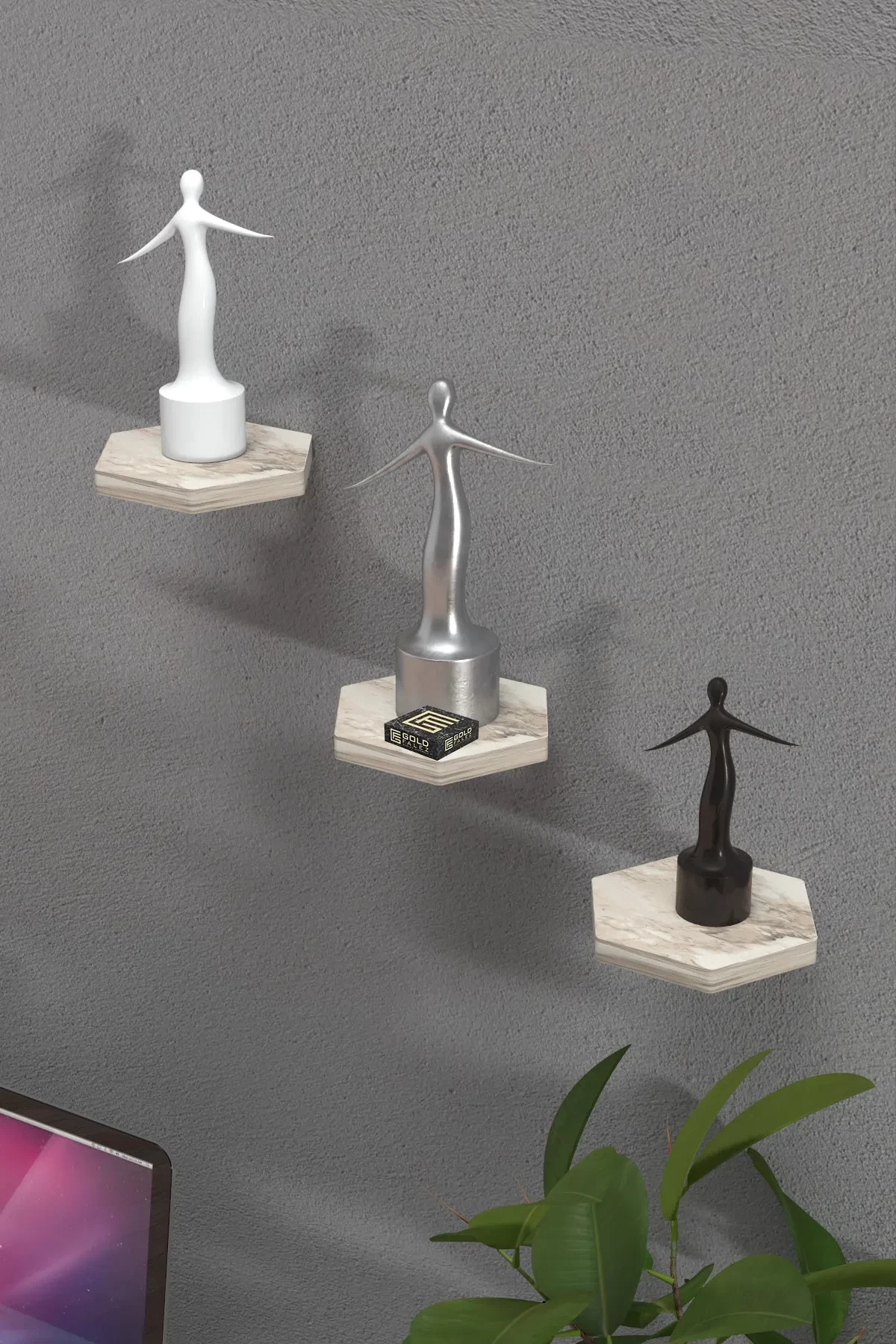
- For a Modern, Dynamic Look: Use the Hexagonal Wall Shelf. Its unique shape does a lot of the visual work for you.
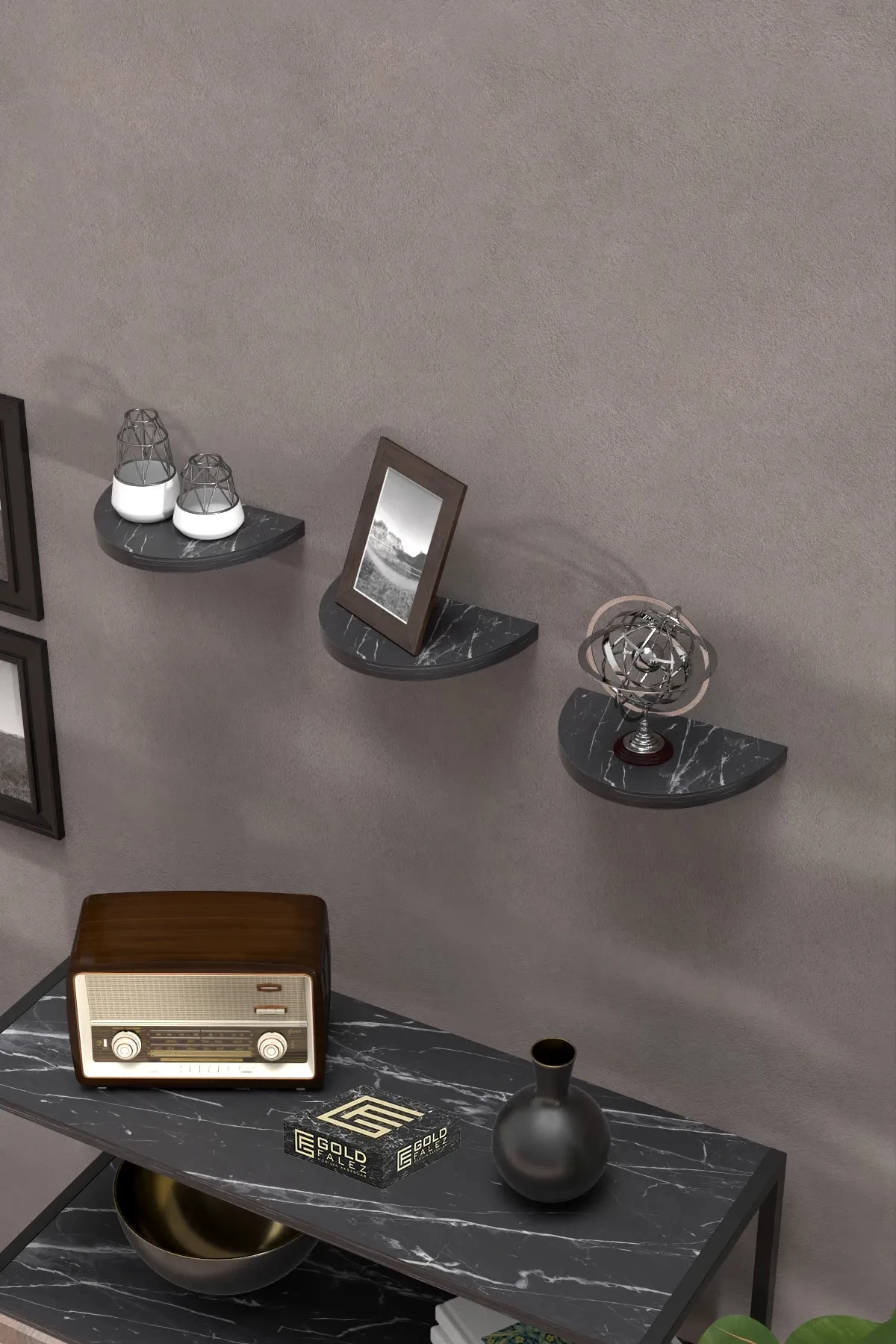
- For Elegance and Softness: Choose the Oval Wall Shelf. The curves naturally soften the objects you place on it.
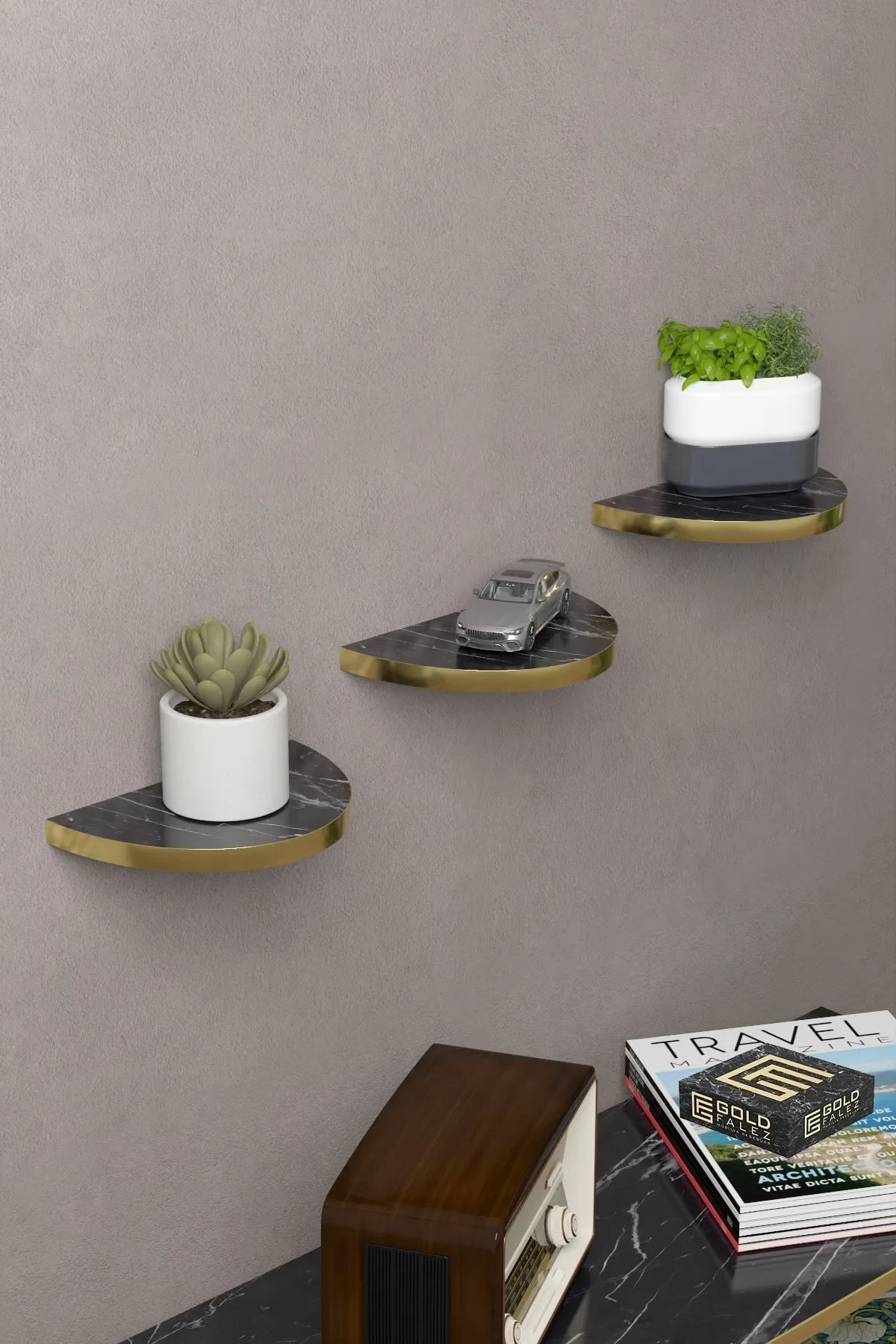
- For a Luxury Accent: The Golden Oval Wall Shelf provides a high-end backdrop that makes even simple items look expensive.
Principle 1: Balance and Symmetry
Balance doesn't necessarily mean symmetry. In fact, asymmetrical balance is often more interesting. Instead of mirroring everything on both sides of a shelf, aim for "visual weight" balance. A large, heavy object on one side can be balanced by a group of smaller, lighter objects on the other.
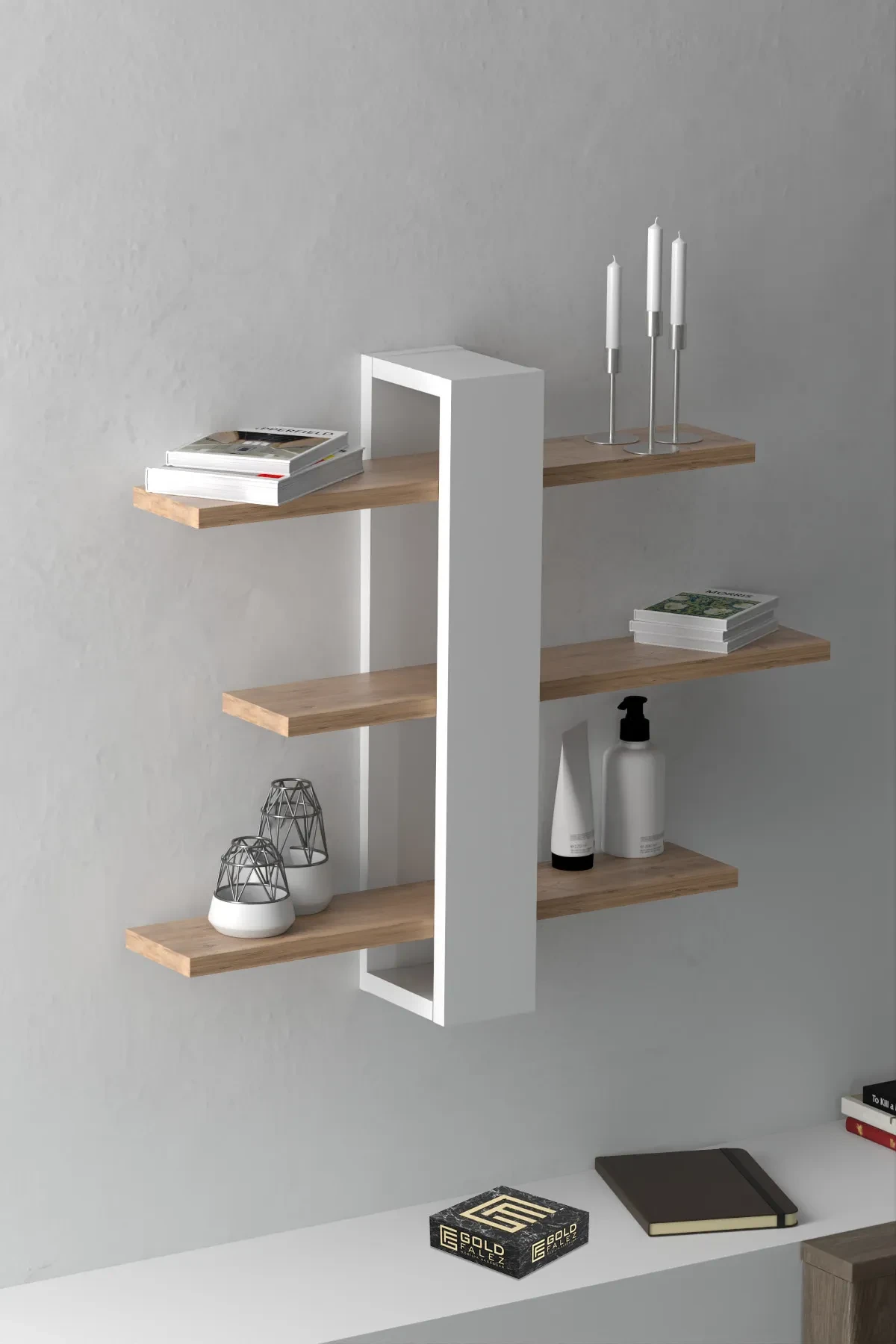
If you are using a multi-tiered unit like the 3 Shelf Decorative Wall Shelf, try a "zigzag" approach. Place a large item on the left of the top shelf, the right of the middle shelf, and the left of the bottom shelf. This leads the eye through the entire arrangement.
Principle 2: Varying Heights and Layers
One of the biggest mistakes in shelf styling is placing items of all the same height in a row. This looks flat and uninteresting. Instead, create "layers" and varying heights:
- Tall Items: Use vases, tall books, or candlesticks to provide verticality.
- Medium Items: Medium-sized plants or sculptures.
- Small Items: Use small bowls or decorative boxes. You can also stack smaller items on top of horizontal books to give them more height.
Principle 3: The Rule of Three and Negative Space
In design, items grouped in odd numbers (especially three) are more visually appealing than even numbers. Group three items of different sizes and textures together to create a "vignette."
Equally important is what you don't put on the shelf. Negative space (empty space) is essential. It gives the eye a place to rest and prevents the shelf from looking cluttered. If every inch is filled, nothing stands out. Allow your best pieces to "breathe" by leaving space around them.
Adding Texture and Life
A professional-looking shelf always includes different textures. Mix smooth ceramics with rough-textured books, shiny glass with matte wood-finish Suntalam. And don't forget the "life" element—a small plant (even a high-quality artificial one) adds a necessary organic touch to the structured lines of the shelving.
Frequently Asked Questions
How do I style shelves without spending a lot of money?
Use items you already have! Grouping objects by color can make random household items look like a curated collection. Books are your best friend—turn them around so the pages face out for a neutral, textured look, or group them by spine color for a bold statement.
What should I avoid when styling shelves?
Avoid "cluttering." If you have a large collection of small items, don't put them all on one shelf. Choose the best 3-5 pieces and store the rest. Also, avoid pushing everything to the back of the shelf; layering items forward and back creates depth.
Is Suntalam a good material for high-end styling?
Absolutely. High-quality Suntalam, like that used by Goldfalez, offers a consistent and sophisticated finish that serves as a perfect neutral background for styling. Its durability means it won't sag under the weight of your decor, keeping your arrangements looking sharp and professional.
Conclusion
Styling your shelves is a great way to refresh your home without a full renovation. By following the principles of balance, height variation, and the rule of three, you can turn any Goldfalez shelf into a designer showcase. Whether you choose the geometric intrigue of the Hexagonal Wall Shelf or the classic tiers of the 3 Shelf Decorative Wall Shelf, the key is to experiment and have fun. Your shelves are a reflection of your personality—make them a masterpiece!
Frequently Asked Questions
How do I style shelves without spending a lot of money?
Use items you already have! Grouping objects by color can make random household items look like a curated collection. Books are your best friend—turn them around so the pages face out for a neutral, textured look, or group them by spine color for a bold statement.
What should I avoid when styling shelves?
Avoid "cluttering." If you have a large collection of small items, don't put them all on one shelf. Choose the best 3-5 pieces and store the rest. Also, avoid pushing everything to the back of the shelf; layering items forward and back creates depth.
Is Suntalam a good material for high-end styling?
Absolutely. High-quality Suntalam, like that used by Goldfalez, offers a consistent and sophisticated finish that serves as a perfect neutral background for styling. Its durability means it won't sag under the weight of your decor, keeping your arrangements looking sharp and professional.