Combining Shoe Cabinets and Coat Racks
An efficient entryway requires a two-pronged approach: managing what goes on your feet and what goes on your back. Often, these needs are treated separately, leading to a mismatched collection of hooks and small racks that clutter the hallway. The most effective design strategy is to combine these elements into a single, cohesive storage zone. Whether through a single multi-functional piece of furniture or a carefully curated set, combining shoe cabinets and coat racks creates a "command center" for your home that streamlines your departure and arrival.
The All-in-One Solution
The most straightforward way to combine these functions is to purchase a unit designed specifically for this purpose. These "cloakroom" or "hall tree" units are engineered to provide vertical storage for coats and bags while using the lower portion for footwear.
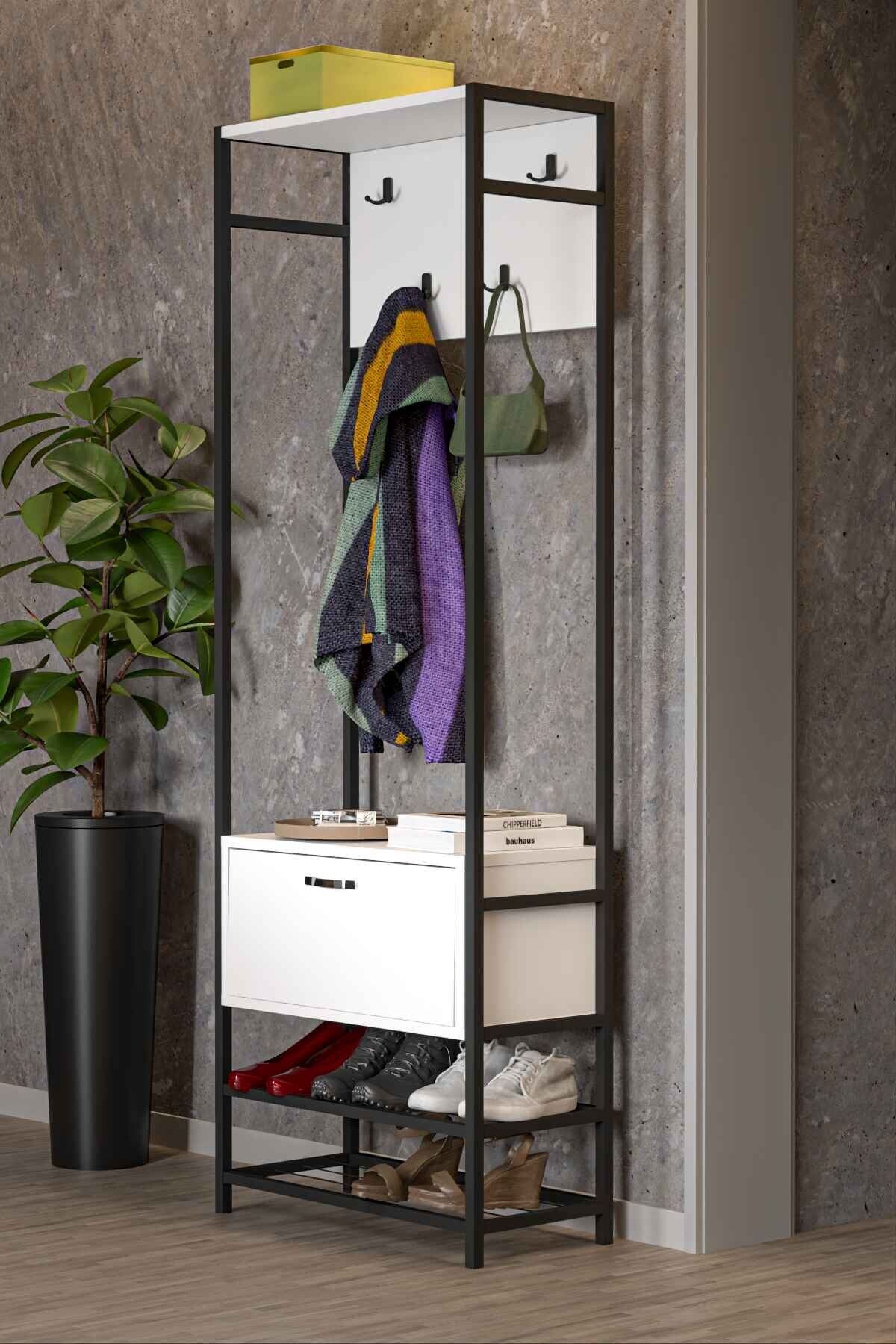
The Coat Rack Coat Hangers Cloakroom Shoe Rack is a prime example of this integrated design. It offers multiple hooks at the top for outerwear and integrated shelving at the bottom for shoes. This configuration is incredibly efficient because it uses the "dead space" that usually exists beneath a standard coat rack. By having both storage needs met by one piece of furniture, you ensure that the materials and colors match perfectly, creating a high-end, custom look for a fraction of the cost.
Creating a "Zone" with Separate Pieces
If you have a larger entryway or unique layout requirements, you can create a combined effect by grouping separate pieces together. The key is to maintain a consistent style and material.
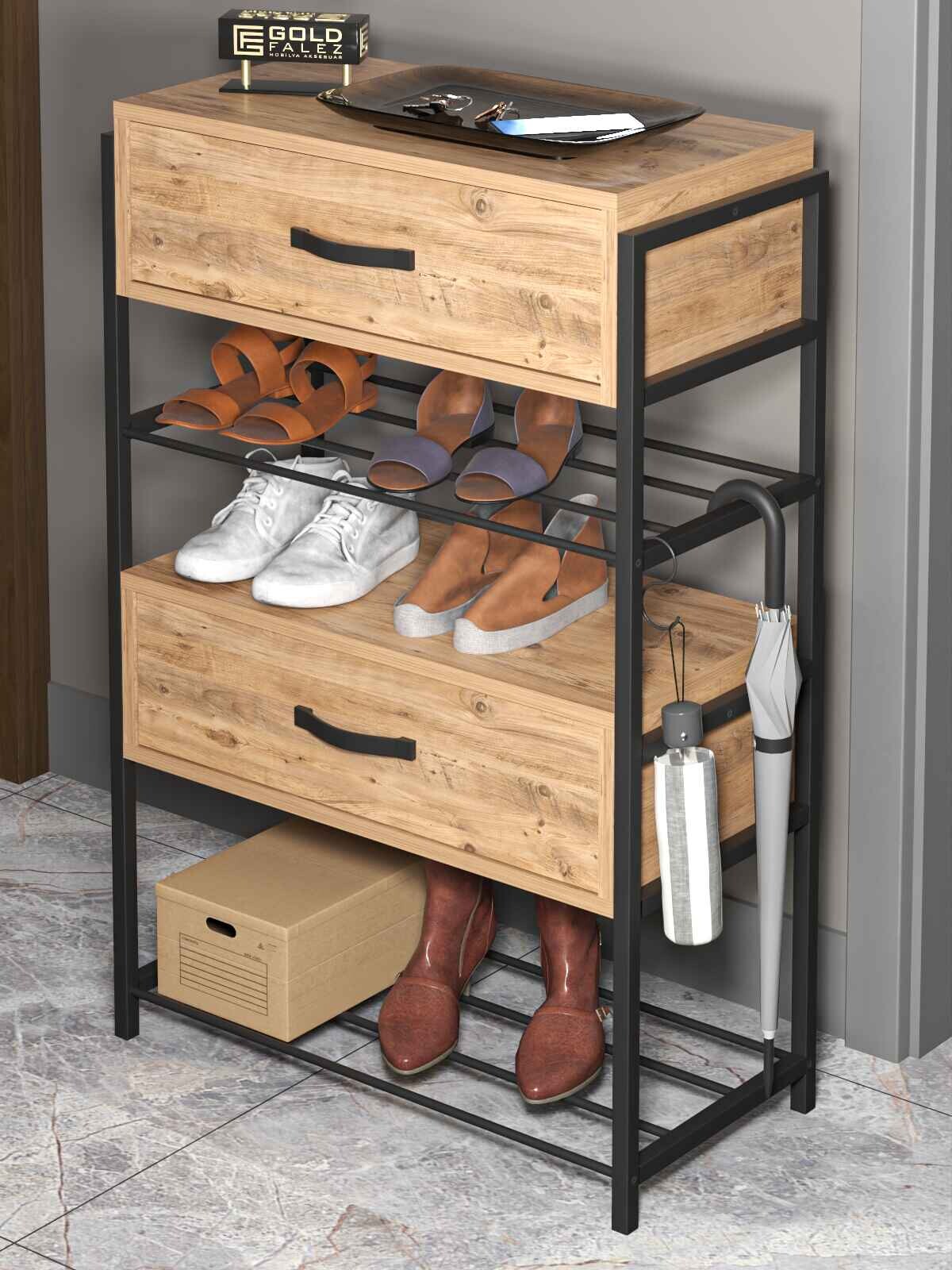
For example, you might place a Wood Metal 4 Shelf 2 Door Shoe Rack against a wall and install a matching set of wall hooks or a simple hanging rail directly above it. This creates a "hidden" shoe storage area while keeping coats easily accessible. The top of the cabinet can then serve as a console table for keys and decor, effectively combining three functions (shoe storage, coat storage, and a landing strip) into one area.
Managing High-Traffic Entrances
In busy households, the sheer volume of stuff can quickly overwhelm a single small rack. In these cases, combining an open rack for daily use with a closed cabinet for seasonal storage is a smart move.
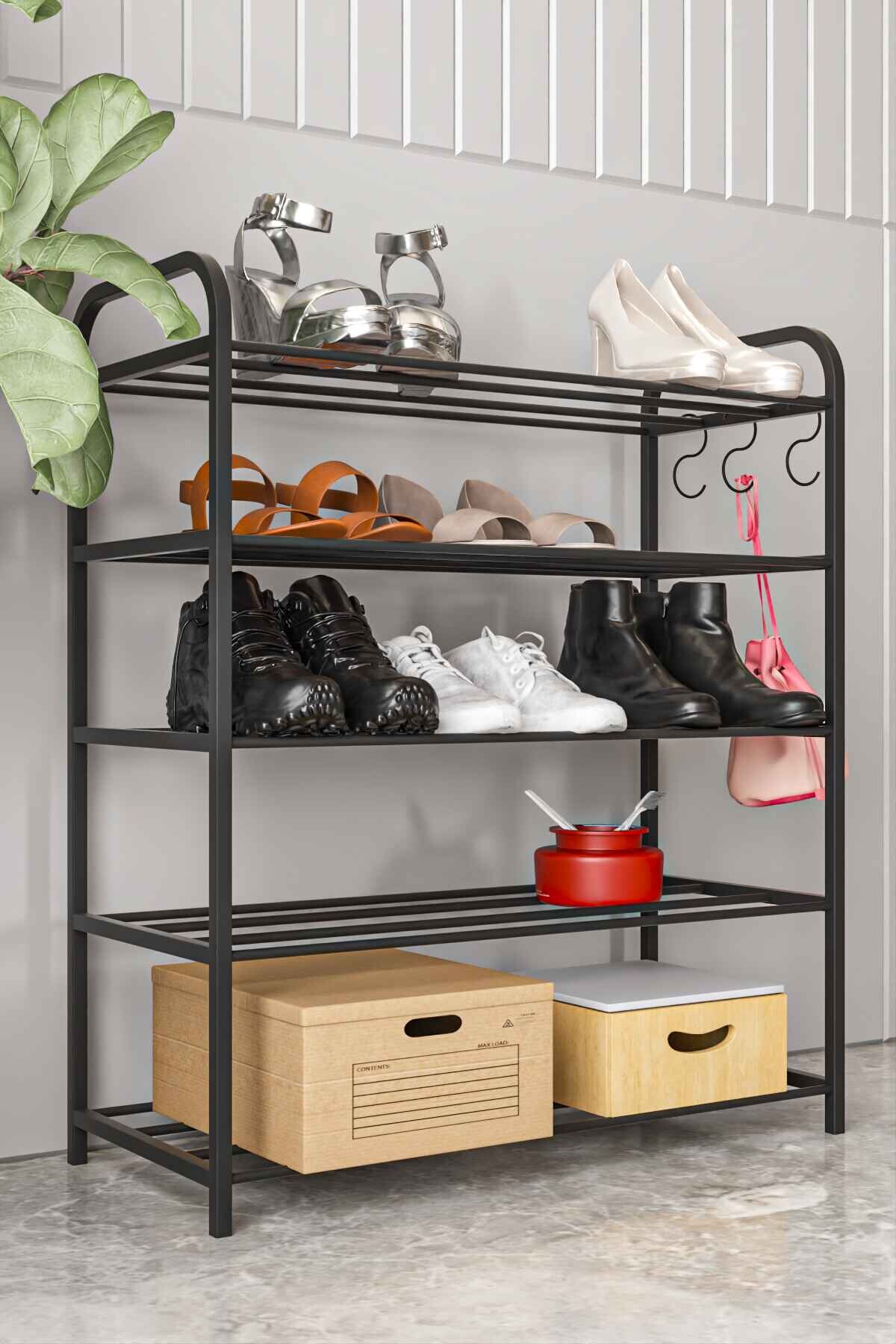
You could use the 5 Shelf Metal Shoe Rack Multipurpose Shelf for the shoes everyone wears every day—sneakers, school shoes, and slippers. This allows for quick access and excellent ventilation. Alongside it, a closed cabinet or a more formal coat rack can house less-frequently used items. This "hybrid" approach ensures that the things you need most are always at hand, while the entryway remains uncluttered by excess items.
Design Tips for a Cohesive Look
When combining storage elements, follow these rules to keep the space looking professional:
- Match the Finish: If you have a wood-grain cabinet, try to find a coat rack with similar wood tones or a neutral metal that complements it.
- Align the Widths: If possible, try to make your coat rack and shoe cabinet the same width, or center one over the other. This creates a strong vertical line that is pleasing to the eye.
- Use Baskets: On open shelves, use matching baskets to hide smaller items like gloves, hats, or dog leashes. This keeps the "combined" look tidy.
Frequently Asked Questions
Is it better to have an integrated unit or separate pieces?
Integrated units are easier to style and often more space-efficient in small entryways. Separate pieces offer more flexibility; you can move them around if you change homes or update your layout. If you find a unit like the Coat Rack Coat Hangers Cloakroom Shoe Rack, it often provides the best value and aesthetic consistency.
How much space do I need for a combined unit?
Most combined units require a width of at least 60-80 cm and a depth of 35 cm. You should also ensure you have at least 180 cm of height for the coat hanging area. Make sure there is enough room to stand in front of the unit and put on your shoes without blocking the hallway.
Can I mix wood and metal storage?
Absolutely! Mixing wood and metal is a hallmark of "industrial" and "modern farmhouse" styles. The trick is to ensure that the metal colors match (e.g., all black or all chrome) and that the wood tones don't clash.
Conclusion
Combining shoe cabinets and coat racks is the ultimate way to master entryway organization. Whether you choose an all-in-one unit for its simplicity and style or curate a custom set of separate pieces, the goal is to create a functional system that handles all your outdoor gear in one place. By streamlining your storage, you not only make your life easier but also create a welcoming, professional-looking entrance that sets a positive tone for the rest of your home.
Frequently Asked Questions
Is it better to have an integrated unit or separate pieces?
Integrated units are easier to style and often more space-efficient in small entryways. Separate pieces offer more flexibility; you can move them around if you change homes or update your layout. If you find a unit like the Coat Rack Coat Hangers Cloakroom Shoe Rack, it often provides the best value and aesthetic consistency.
How much space do I need for a combined unit?
Most combined units require a width of at least 60-80 cm and a depth of 35 cm. You should also ensure you have at least 180 cm of height for the coat hanging area. Make sure there is enough room to stand in front of the unit and put on your shoes without blocking the hallway.
Can I mix wood and metal storage?
Absolutely! Mixing wood and metal is a hallmark of "industrial" and "modern farmhouse" styles. The trick is to ensure that the metal colors match (e.g., all black or all chrome) and that the wood tones don't clash.