Choosing Kitchen Furniture Materials: A Durability Guide
When shopping for kitchen furniture, it’s easy to get distracted by beautiful photos and trendy designs. However, in the kitchen—more than any other room in the house—the material of your furniture is what truly matters. Kitchen furniture must endure high humidity, frequent temperature changes, spills, and heavy daily use. A piece that looks great in a showroom might fail within months if it's not built from the right stuff. In this guide, we’ll break down the primary materials used in modern kitchen furniture—Suntalam, Particleboard, and Metal—to help you make an informed choice for your home.
The Versatility of Suntalam (Melamine-Faced Chipboard)
In the world of Turkish furniture manufacturing, "Suntalam" is a gold standard for quality and value. It consists of a high-density chipboard core with a melamine resin-impregnated paper finish on both sides. This isn't just a "sticker"; it's a heat-fused layer that becomes part of the board itself. The result is a surface that is incredibly hard, scratch-resistant, and—most importantly for the kitchen—non-porous.
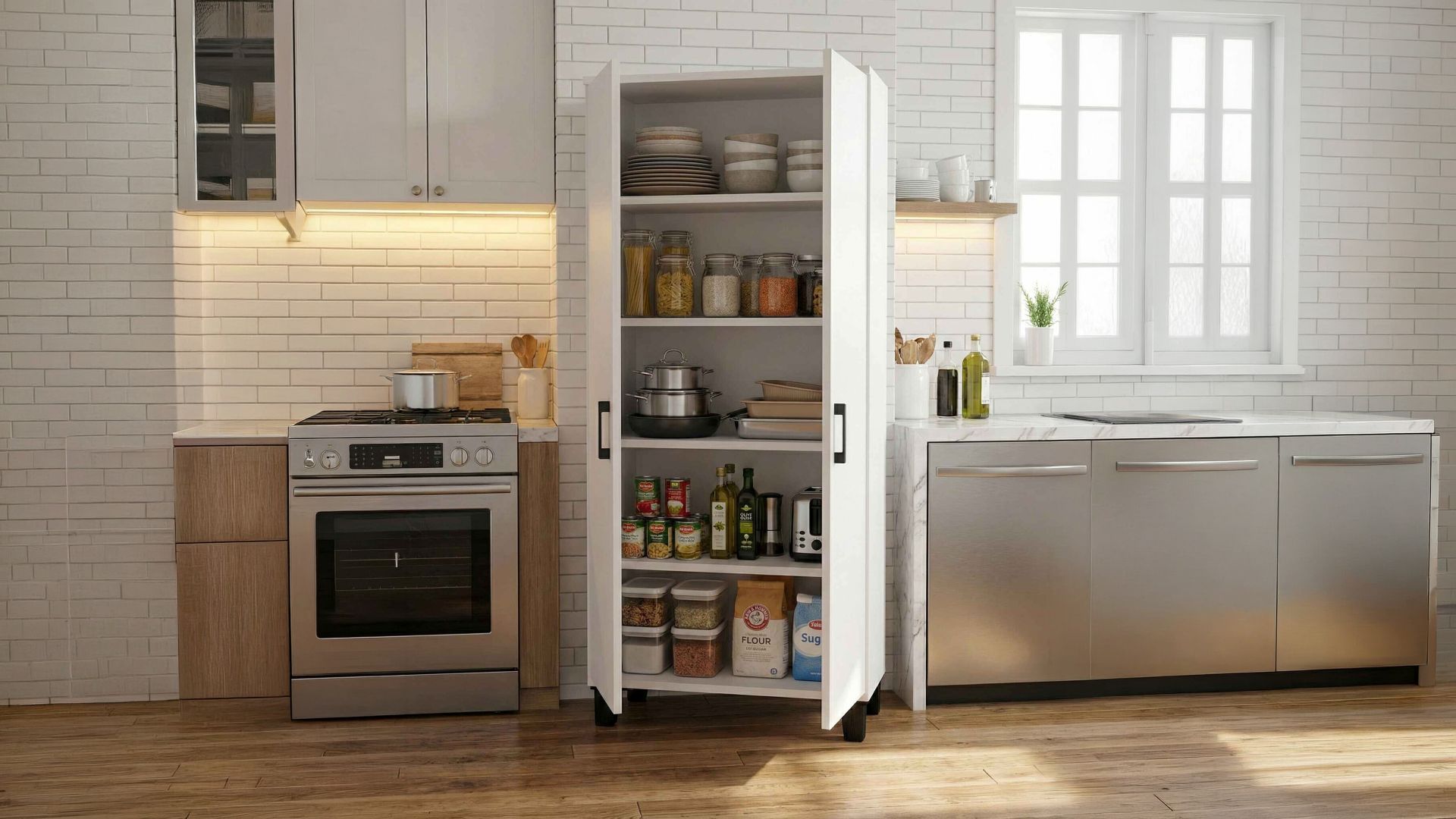
Suntalam is the material of choice for pieces like the Multipurpose Oven Cabinet. Because it doesn't absorb moisture or odors, it's perfect for housing appliances or storing food. If you spill oil or sauce on a Suntalam surface, you can simply wipe it off with a damp cloth without worrying about staining or swelling. It offers the look of natural wood grain with none of the high-maintenance requirements.
Particleboard: The Modern Workhorse
High-quality particleboard (also known as engineered wood) has come a long way in recent years. Today's particleboard is made from wood chips bonded with high-pressure resins, creating a stable and uniform material that doesn't warp or crack like solid wood can. It is especially effective for shelving units where consistency and weight-bearing capacity are key.
For specialized items like the Coffee Corner Kitchen Shelf, particleboard provides the perfect balance of strength and affordability. It allows for precise manufacturing, ensuring that every tier of your coffee station is perfectly level and sturdy enough to hold a heavy espresso machine. When finished with high-quality laminates, particleboard is a durable, sustainable choice that can last for decades in a well-kept kitchen.
The Strength of Metal Accents
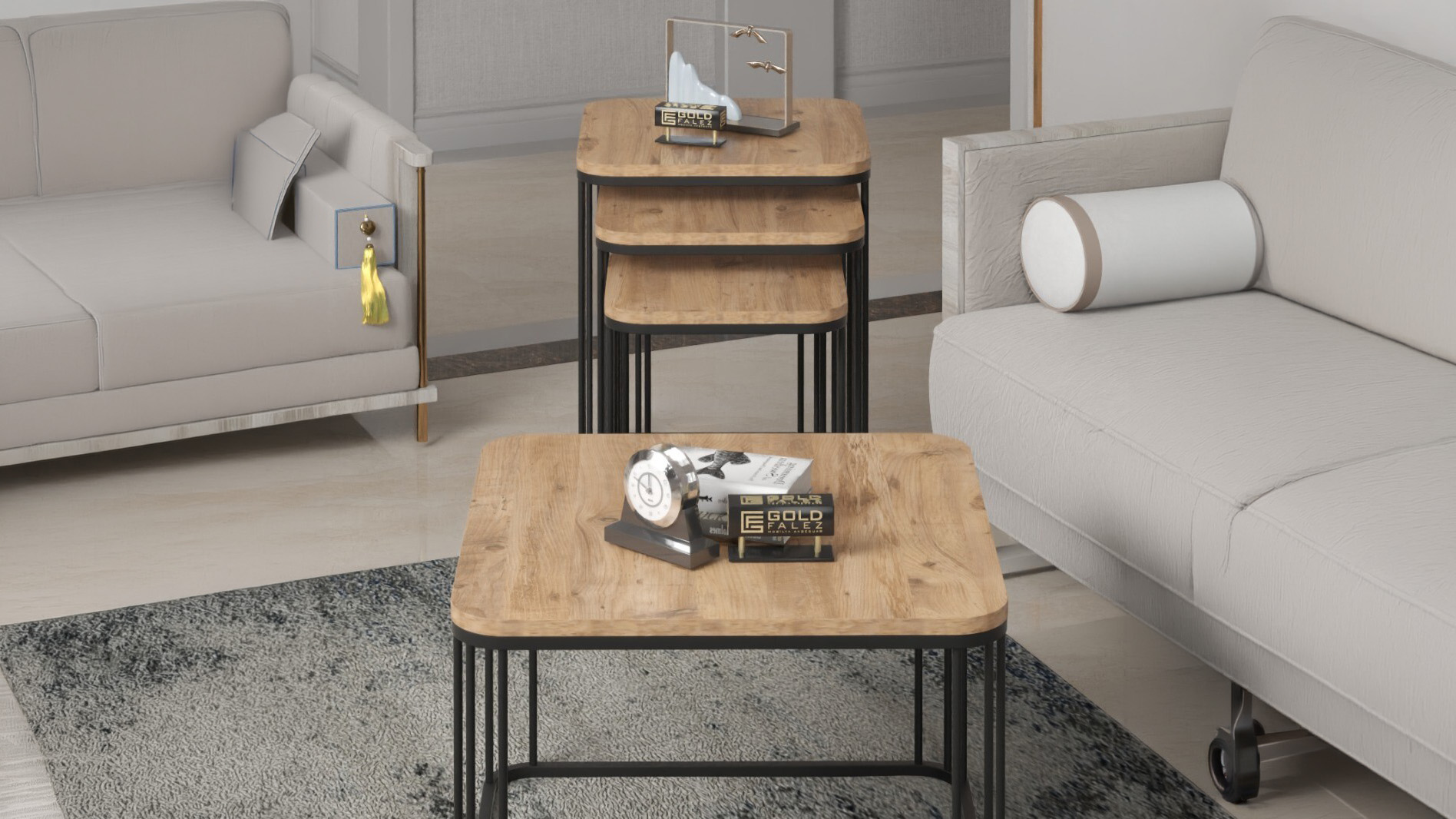
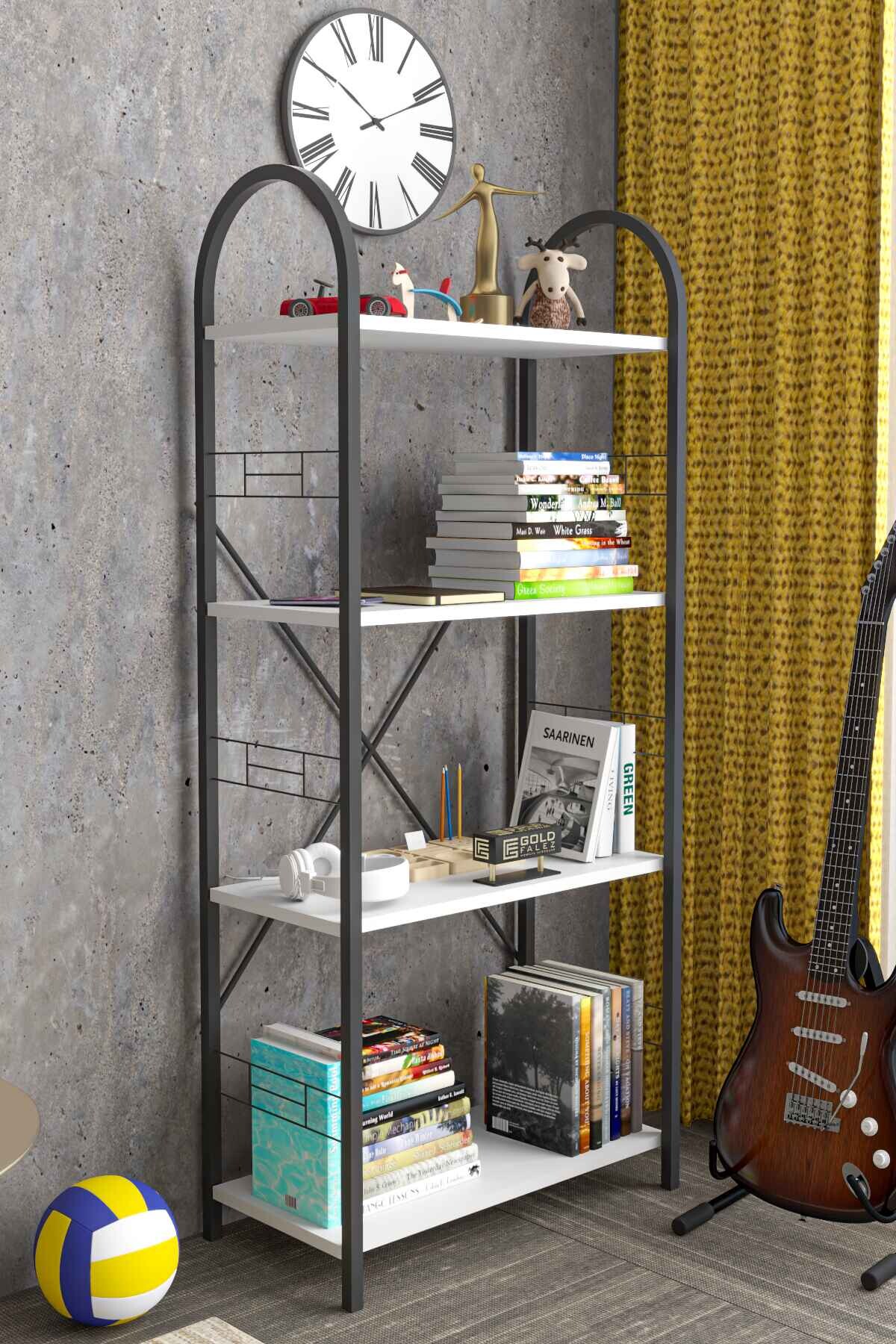
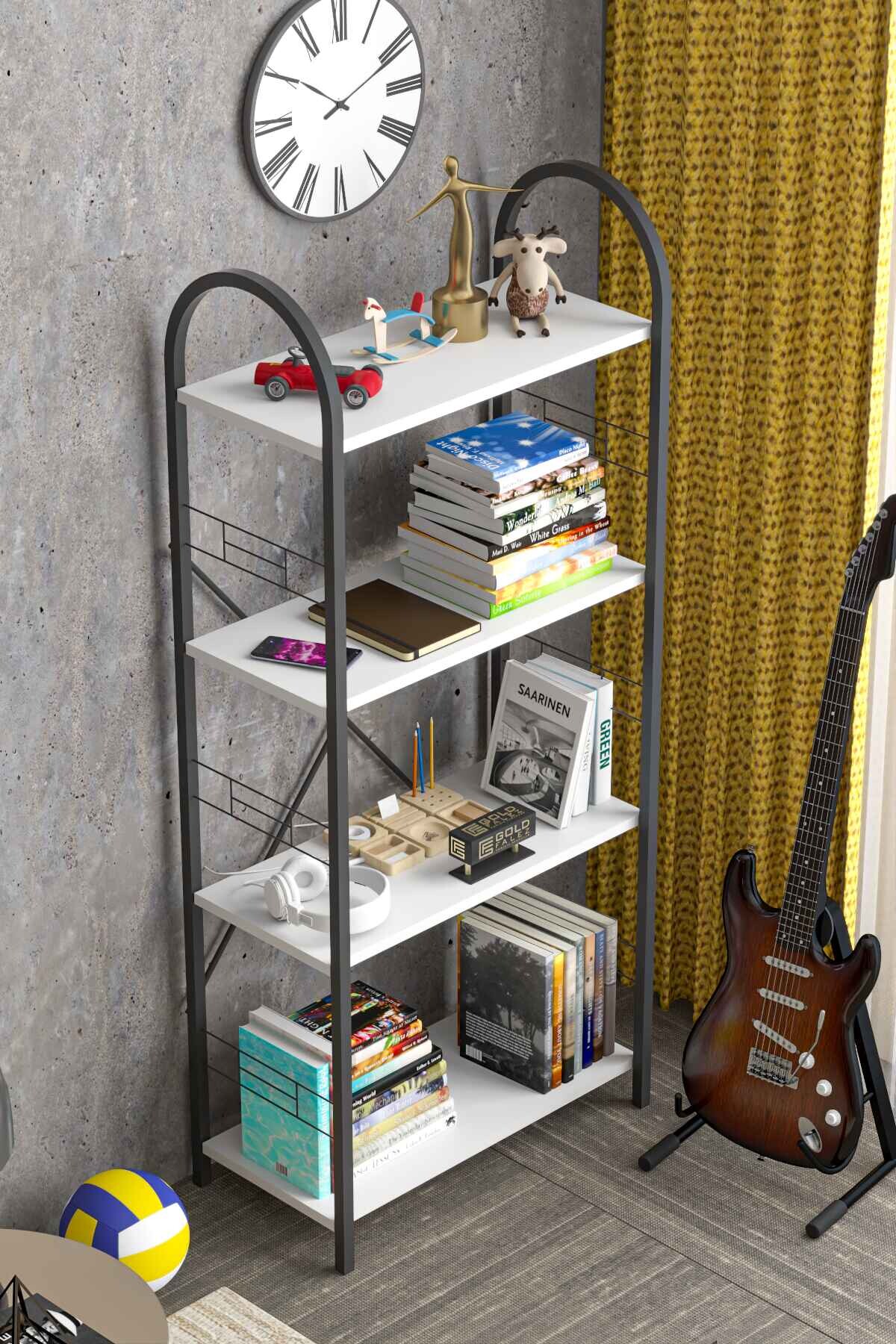
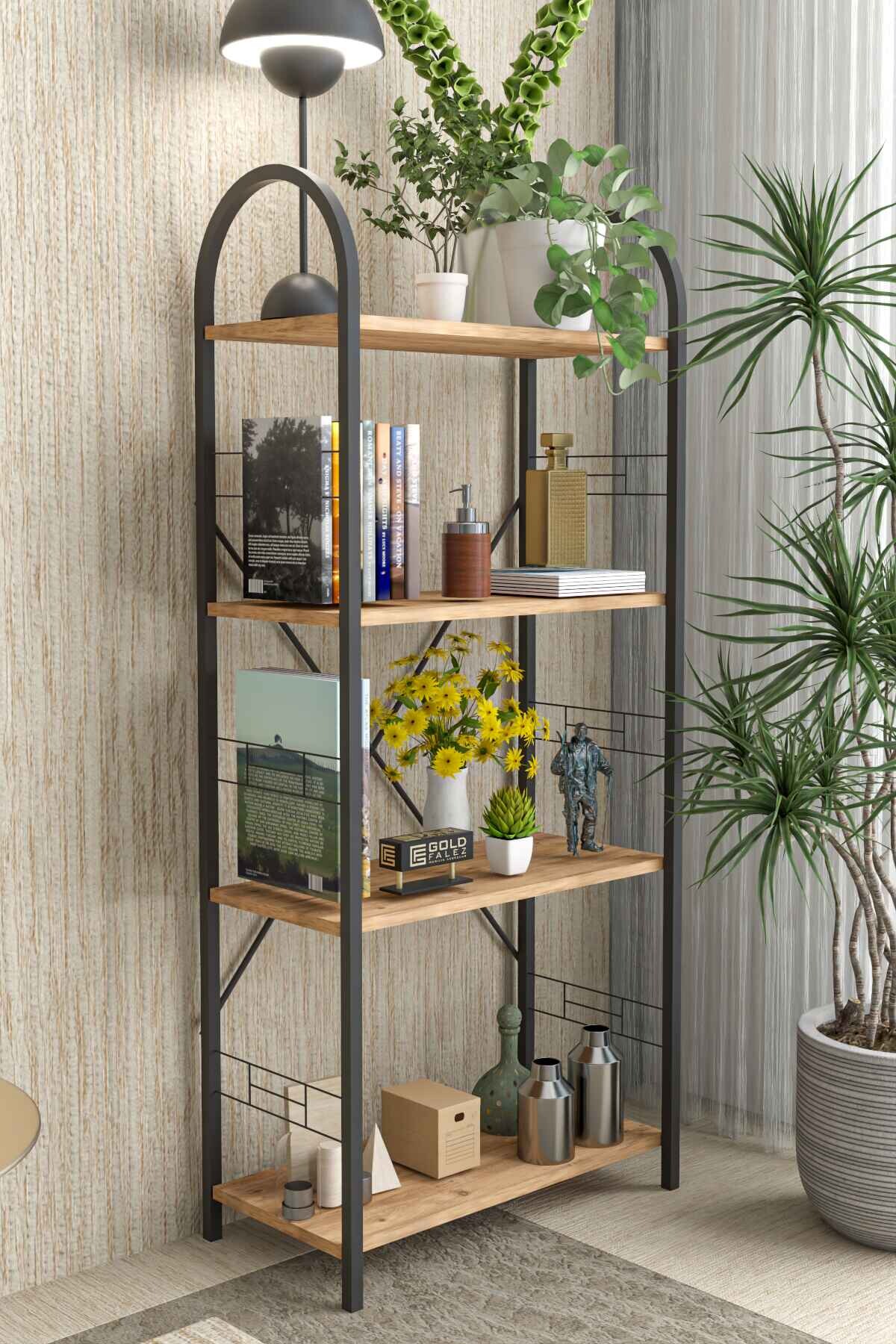
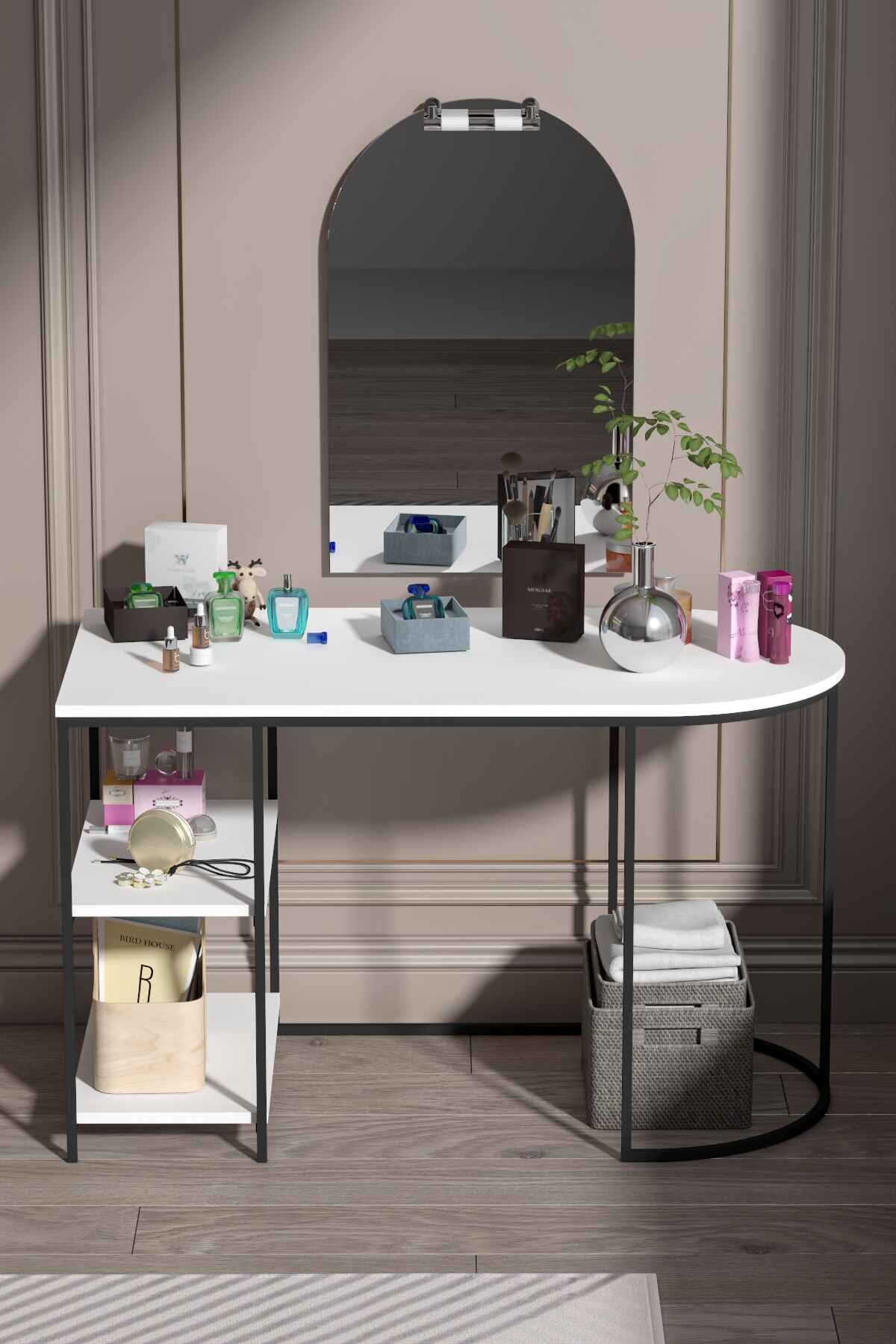
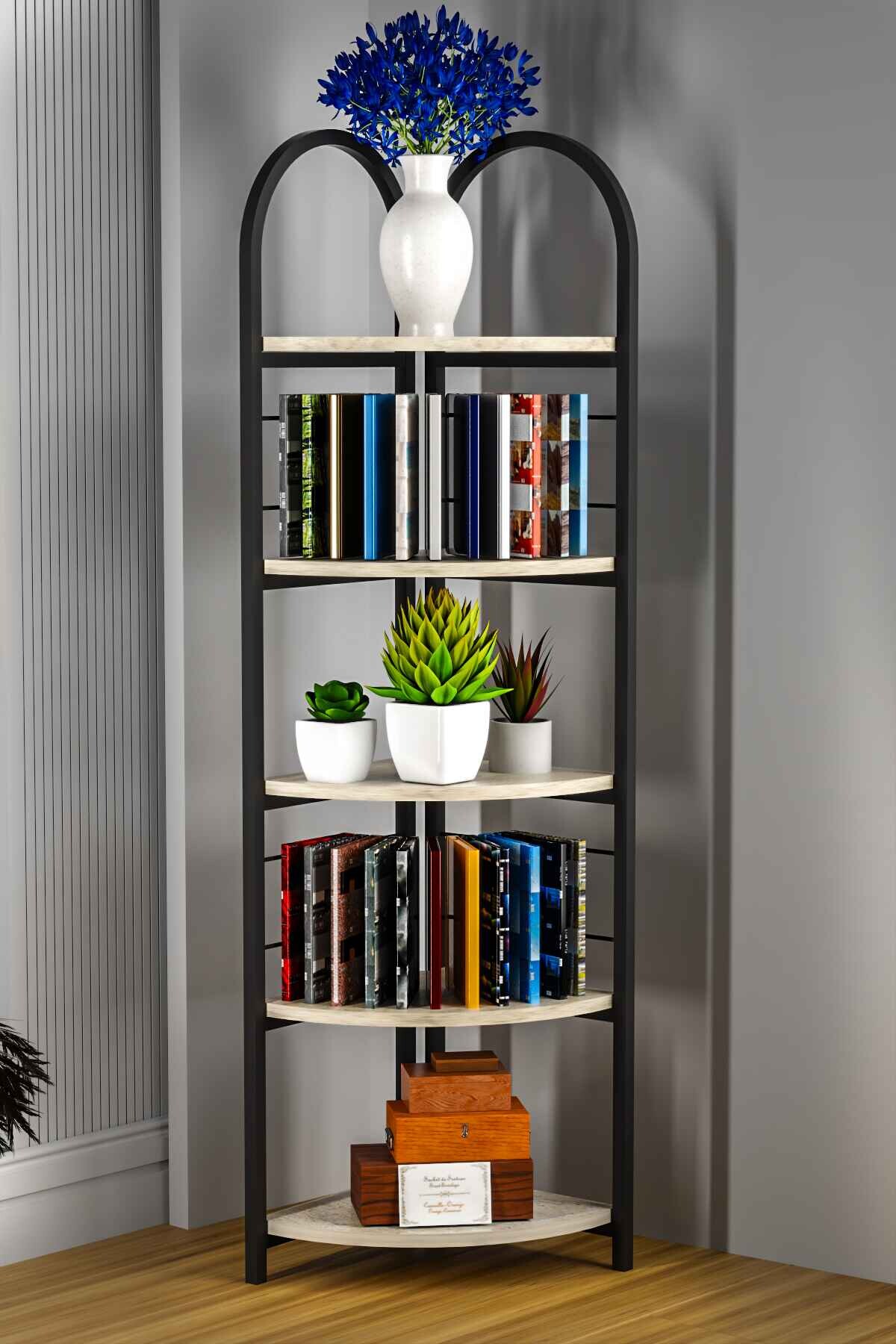
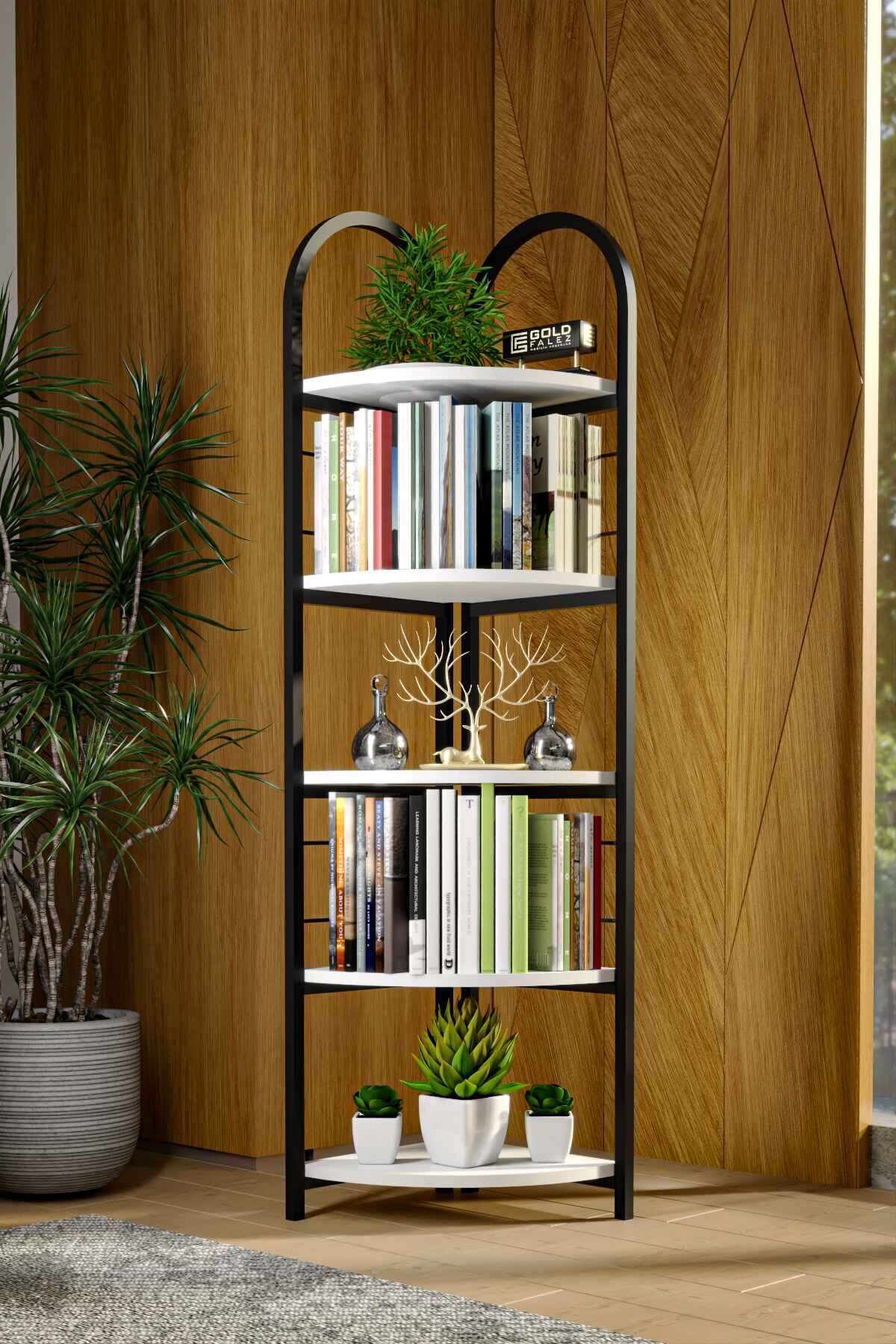
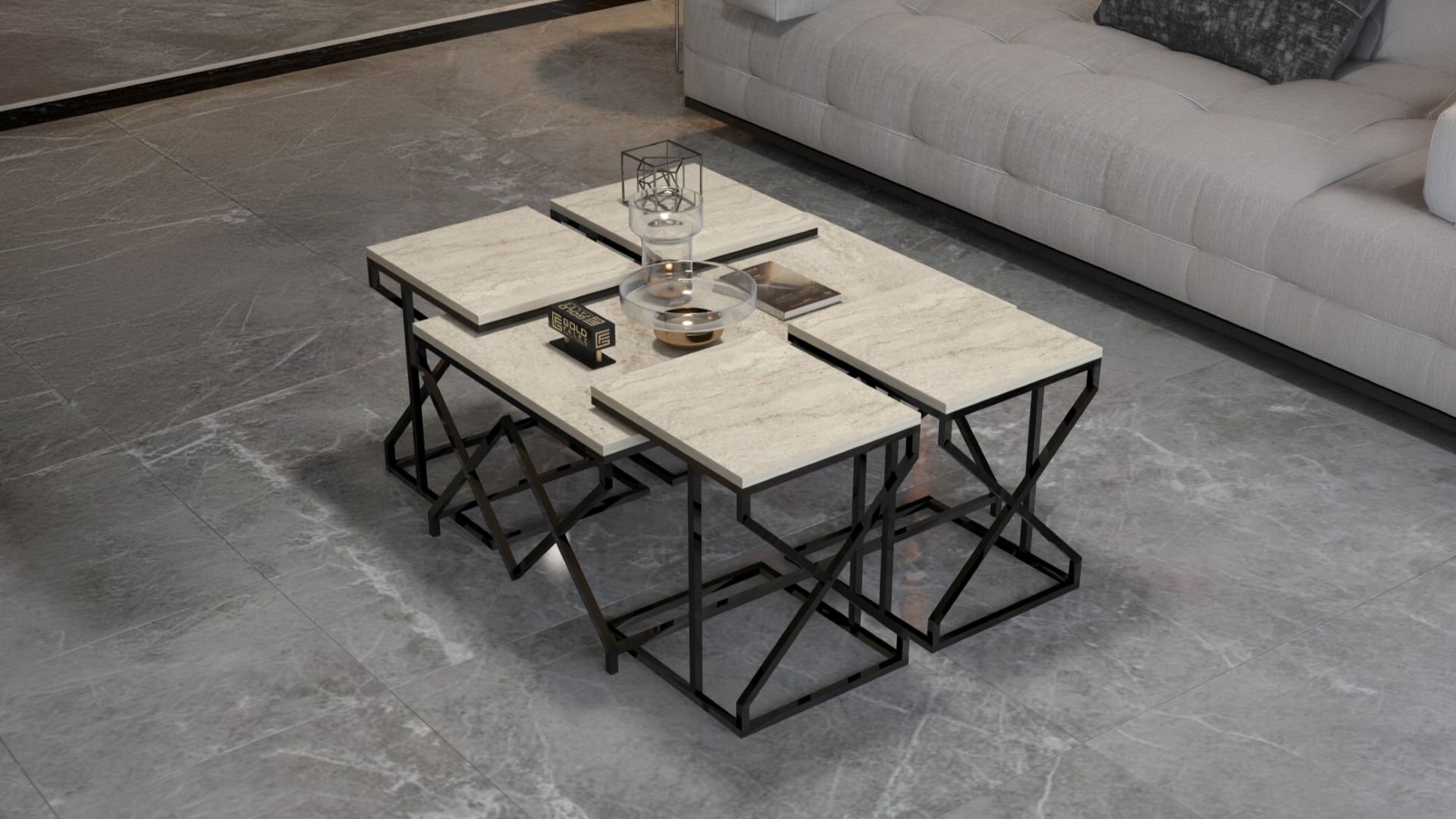
In 2026, we are seeing a major trend toward "Industrial Hybrid" furniture—pieces that combine wood-based surfaces with metal structural elements. Metal provides a level of rigidity and a slim profile that wood alone cannot match. It’s particularly useful for tall furniture that needs a high degree of stability without having a bulky, "heavy" look.
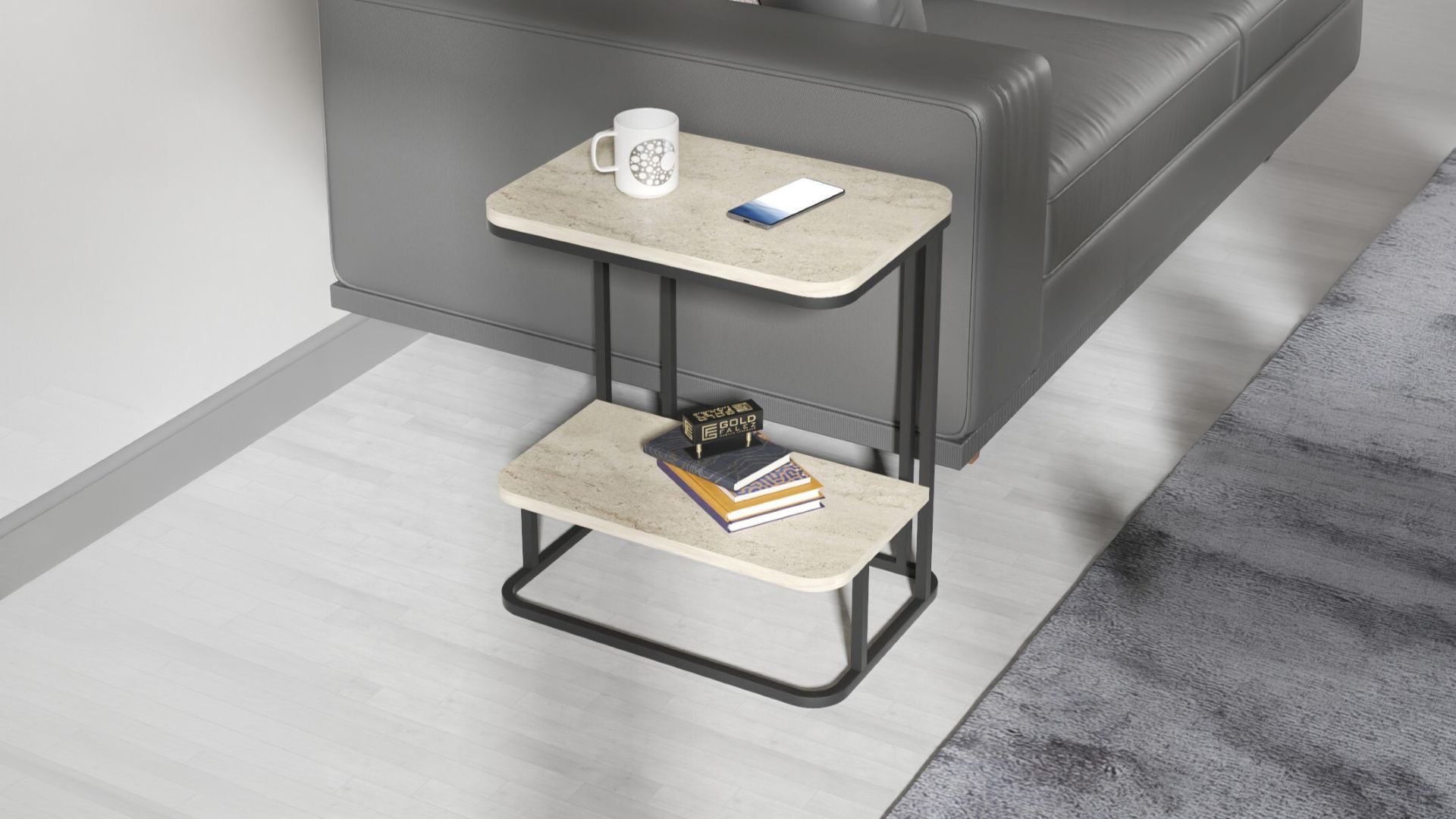
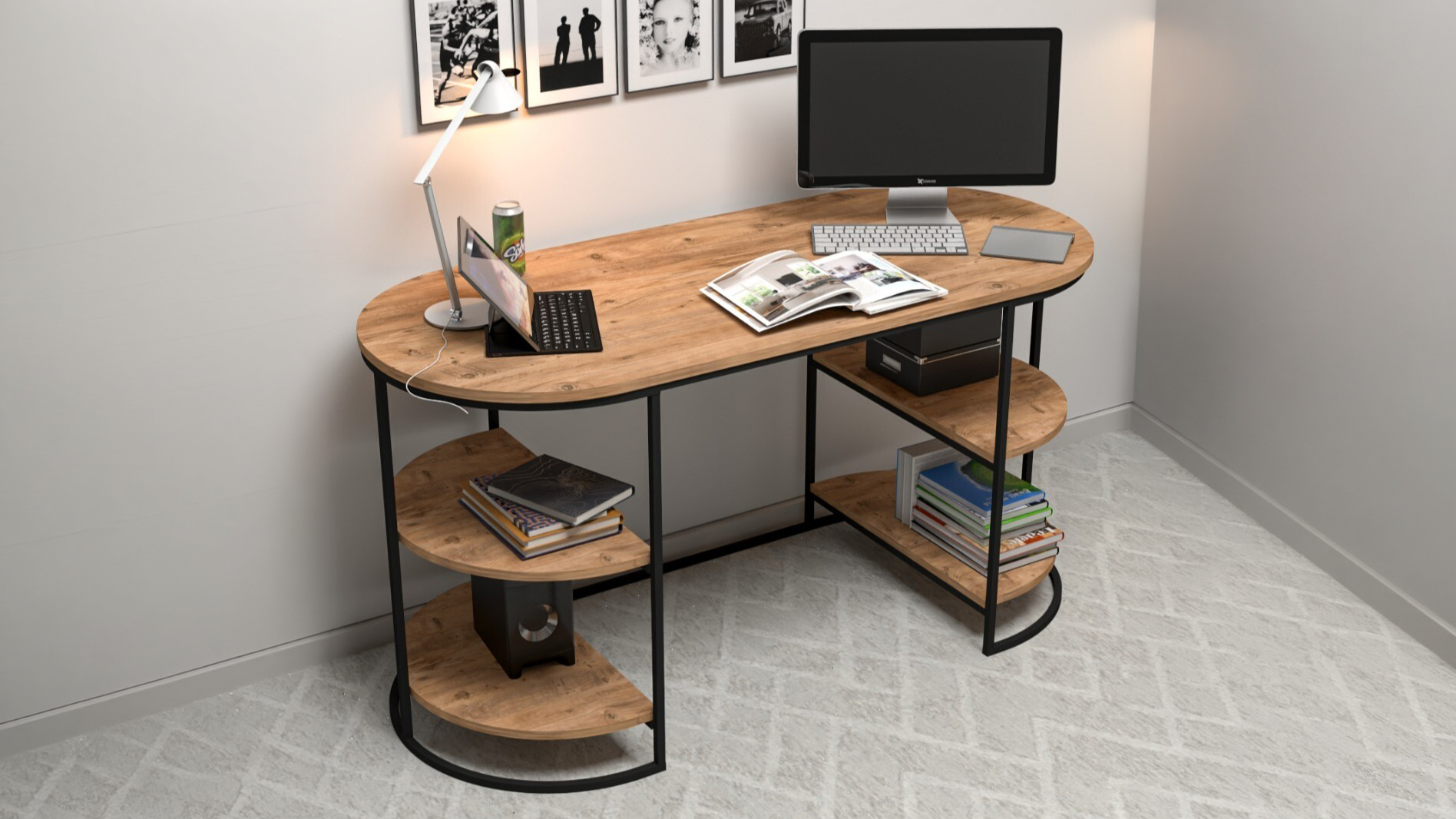
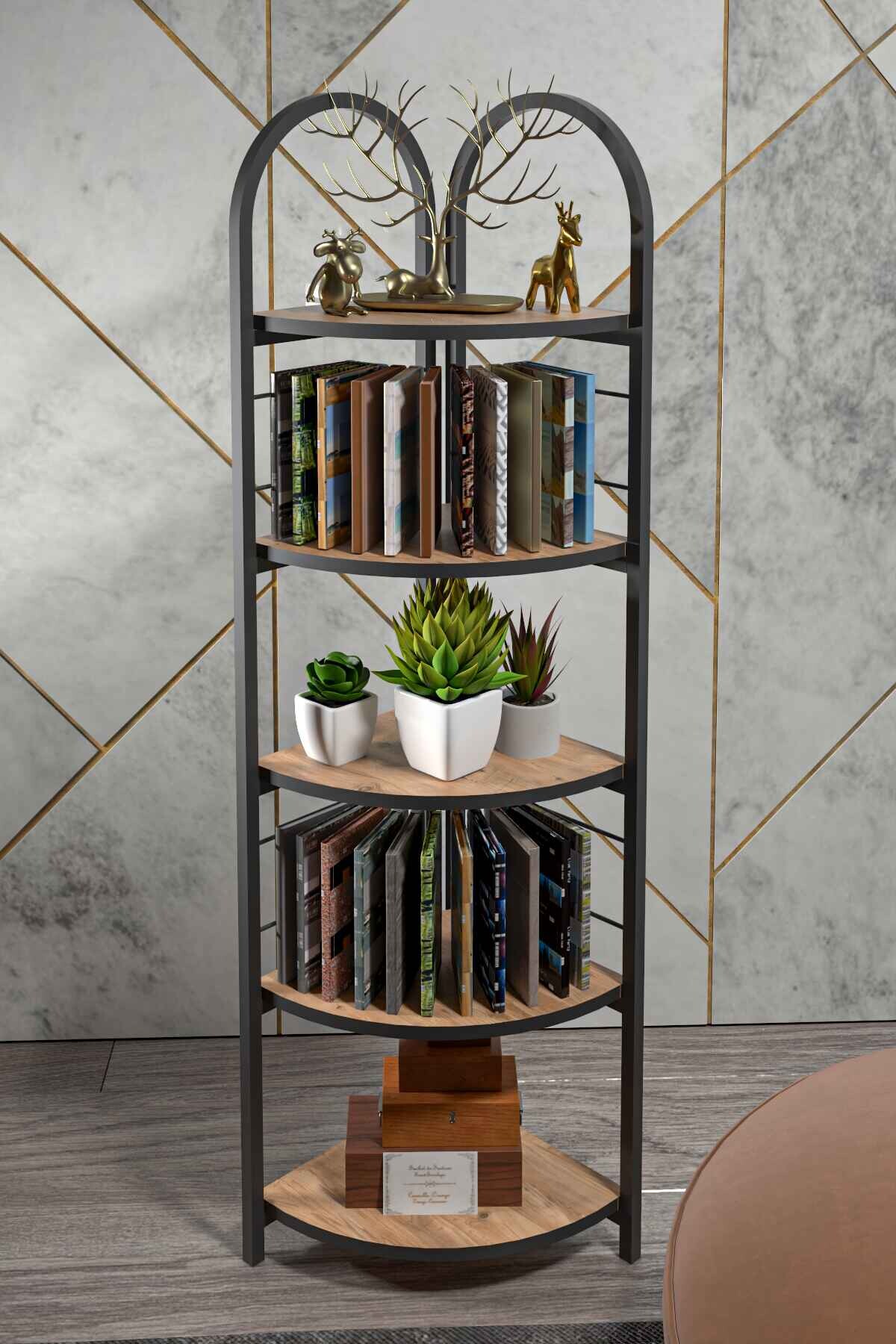
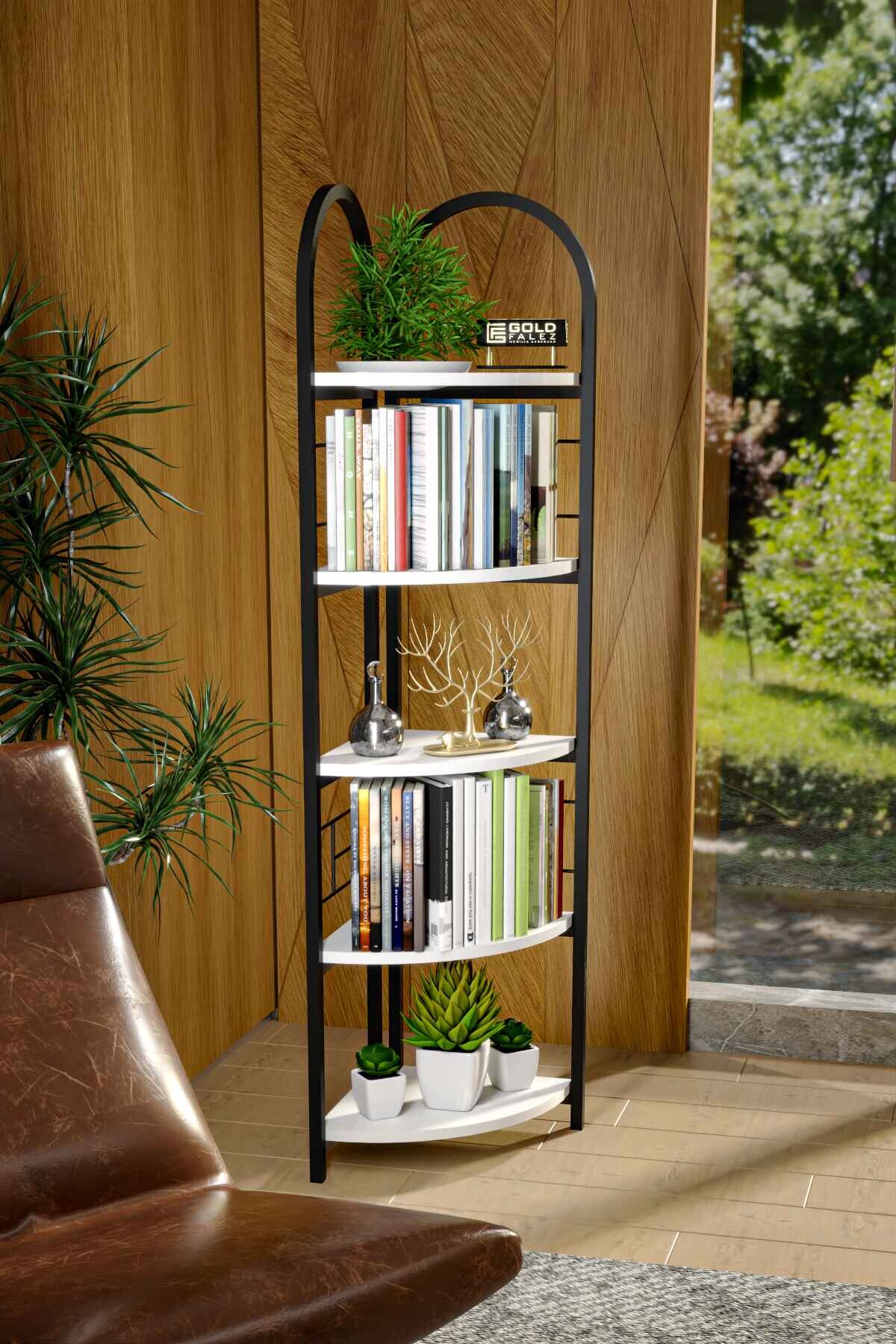
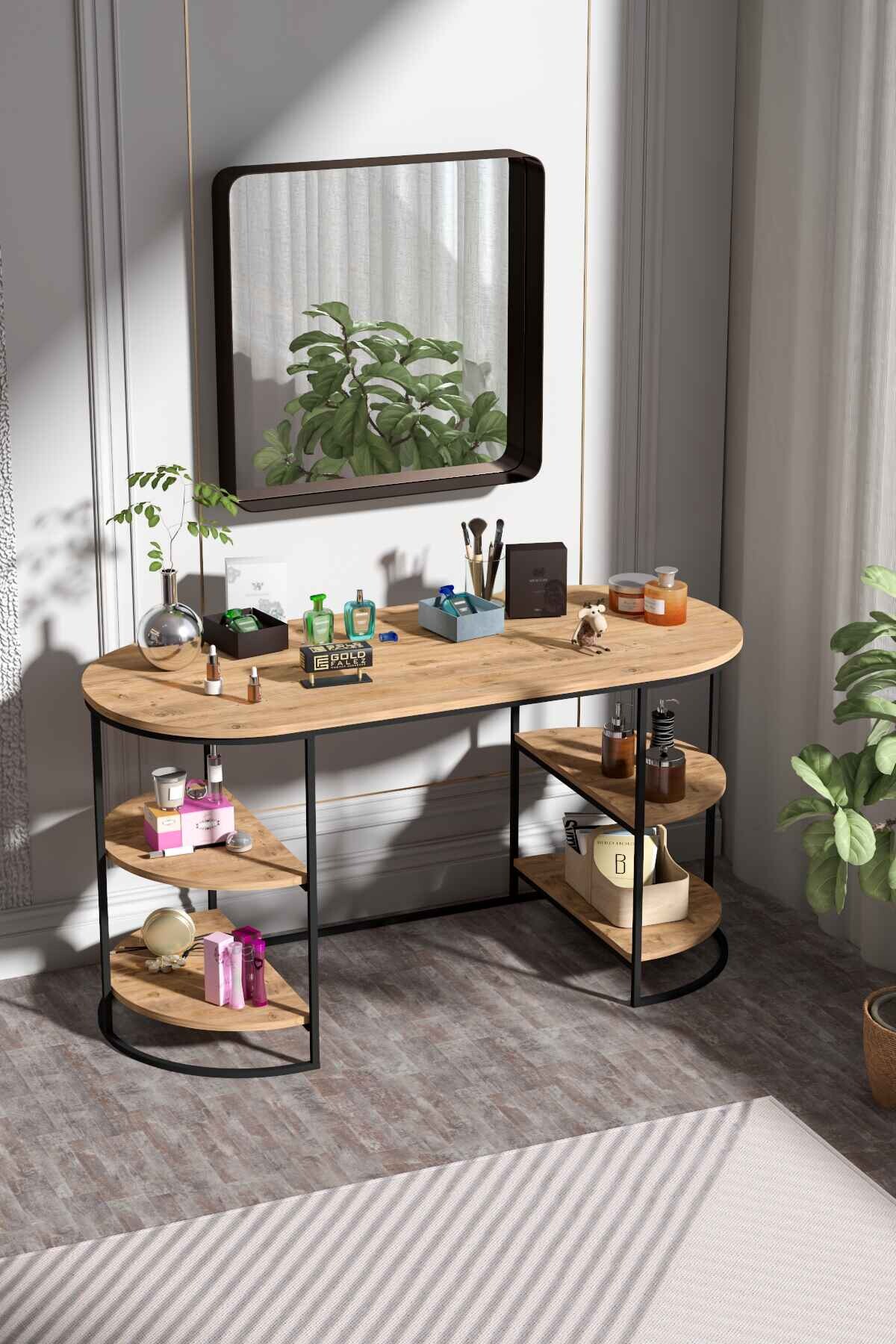
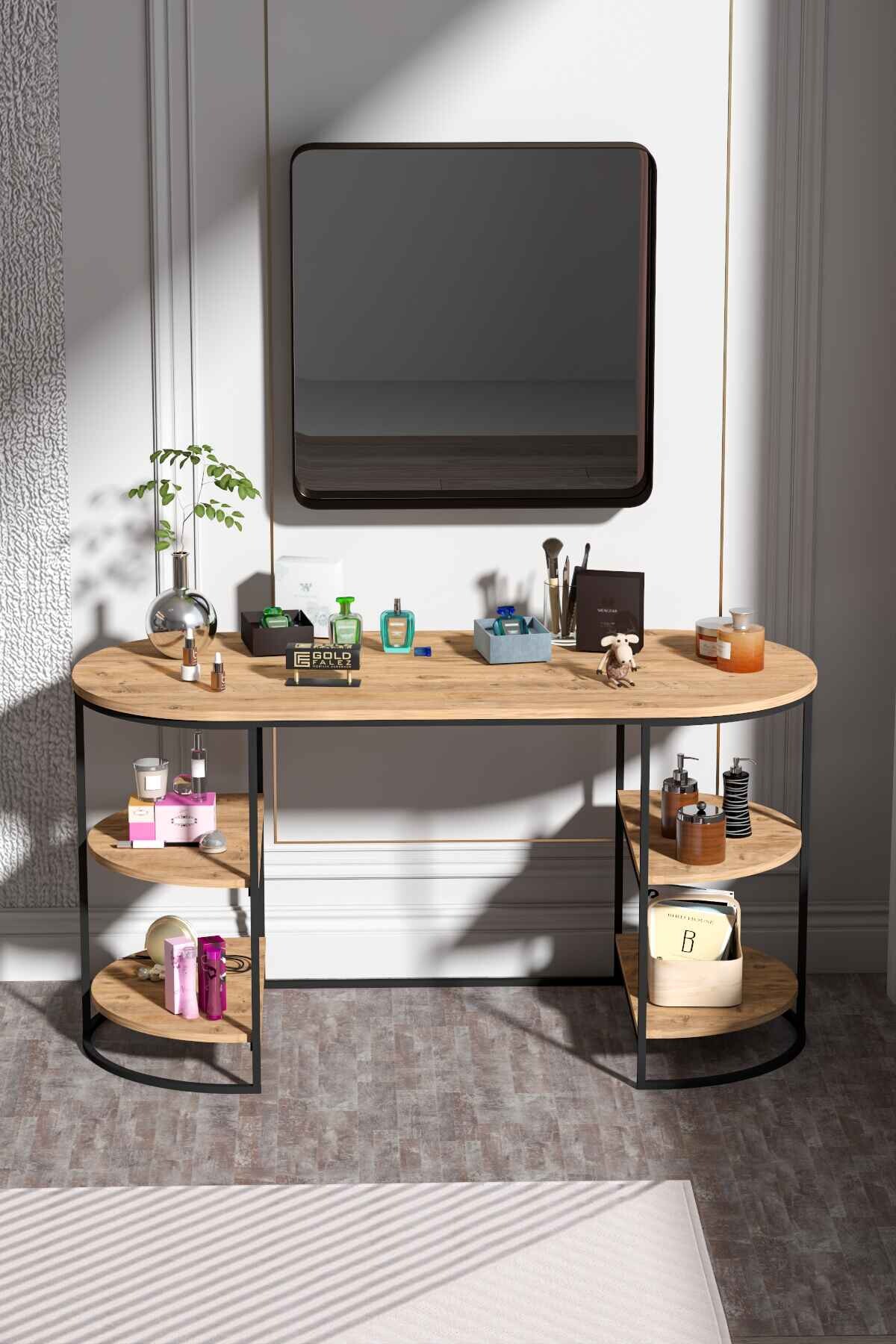
Using metal legs or frames, as seen in many modern storage units, ensures that the furniture remains rock-solid even when fully loaded. Metal is also impervious to the steam and heat that often rise from stoves or dishwashers, making it an excellent choice for the "skeleton" of your kitchen storage. When paired with Suntalam or particleboard, it creates a piece of furniture that is both aesthetically pleasing and structurally superior.
Small Details, Big Impact
Even the smallest pieces of kitchen furniture benefit from high-quality materials. Take the Spice Rack Kitchen Shelf With Napkin Holder, for example. Because it’s made from premium Suntalam, it won't be damaged by the steam from your stovetop or the occasional splash from the sink. These small countertop items are often the most abused pieces of furniture in the house, so choosing durable materials for them is just as important as it is for your large cabinets.
Frequently Asked Questions
Is Suntalam waterproof?
While Suntalam is highly water-resistant and non-porous on its surfaces, it is not "waterproof" if submerged. You should always wipe up spills promptly, especially around the edges where the protective melamine layer meets the edge banding.
How do I clean particleboard kitchen furniture?
The best way to clean these materials is with a soft, slightly damp cloth and a mild detergent. Avoid abrasive cleaners or scouring pads, as these can scratch the protective laminate or melamine finish.
Why is Turkish furniture so popular for export?
Turkey has a long history of high-quality woodworking combined with modern, high-tech manufacturing. Turkish brands like Goldfalez utilize premium Suntalam and particleboard to create furniture that meets strict European durability standards while remaining competitively priced.
Conclusion
Your kitchen furniture is an investment in your home's functionality. By choosing materials like Suntalam for its non-porous durability, high-quality particleboard for its stability, and metal for its structural strength, you ensure that your kitchen remains a beautiful and efficient workspace for years to come. Goldfalez is proud to use these premium materials in every piece we craft, from our large oven cabinets to our specialized coffee shelves. Don't settle for "fast furniture"—choose the durability and quality of Turkish craftsmanship.
Frequently Asked Questions
Is Suntalam waterproof?
While Suntalam is highly water-resistant and non-porous on its surfaces, it is not "waterproof" if submerged. You should always wipe up spills promptly, especially around the edges where the protective melamine layer meets the edge banding.
How do I clean particleboard kitchen furniture?
The best way to clean these materials is with a soft, slightly damp cloth and a mild detergent. Avoid abrasive cleaners or scouring pads, as these can scratch the protective laminate or melamine finish.
Why is Turkish furniture so popular for export?
Turkey has a long history of high-quality woodworking combined with modern, high-tech manufacturing. Turkish brands like Goldfalez utilize premium Suntalam and particleboard to create furniture that meets strict European durability standards while remaining competitively priced.